
Travel
PortCheckerOnline.com: Port Checking, Network Testing, and Online Security

Network connectivity is essential for websites, online games, remote access, servers, and business applications. When a service fails to connect, the problem may involve a firewall, router configuration, an incorrect IP address, or a network port that is not accepting connections. PortCheckerOnline.com is a search term associated with online port-checking tools, which people may explore when diagnosing these issues.
An online port checker helps determine whether a particular network port can be reached from the internet. This information can help website administrators, developers, gamers, and IT professionals investigate connectivity problems without immediately installing specialized software.
However, a successful port check does not automatically mean a network is secure, and a failed check does not always mean a service is broken. Understanding what the results actually indicate is essential for troubleshooting accurately.
This guide explains the purpose of PortCheckerOnline.com, how online port checking works, how to interpret test results, and how to troubleshoot common network problems safely.
Verification note: The exact ownership, current functionality, and complete feature set of PortCheckerOnline.com have not been independently established here. The technical guidance below explains online port-checking tools generally and should not be interpreted as confirmation of specific features offered by that domain.
What Is PortCheckerOnline.com?
PortCheckerOnline.com is a domain name that suggests a connection with online network-port checking. People searching for the term may be looking for a browser-based utility that tests whether a port on a public IP address is accessible.
A port checker generally attempts to establish a connection to a specified IP address or hostname and port number. It then reports whether the connection attempt succeeded, failed, or could not be completed under the tool’s testing conditions.
These checks can help investigate situations such as:
- A game server that friends cannot join.
- A web application that is unavailable externally.
- A home server that cannot be reached from outside the local network.
- A remote-access service that fails to accept connections.
- A firewall configuration that may be blocking legitimate traffic.
Before entering network details into PortCheckerOnline.com, verify that the website is the intended service and review its privacy and security information. A domain name alone does not establish that a tool is trustworthy or that its results are accurate.
How Does PortCheckerOnline.com Relate to Online Port Checking?
Online port checking is a method of testing network reachability from a location outside the target network. Instead of relying exclusively on a computer’s local settings, an external test checks whether a connection can reach the specified address and port from the internet.
This distinction matters because a service can work perfectly on a local computer while remaining inaccessible to external users.
For example, a developer may run a web application on port 8080. The application could respond correctly on the developer’s own machine, but an external user might be unable to connect because the router does not forward the port or a firewall blocks incoming traffic.
An online port checker can help identify this difference, although additional testing may be necessary to locate the exact cause.
What is a network port?
A network port is a logical communication endpoint identified by a number. Ports work alongside IP addresses and transport protocols to direct traffic toward the appropriate application or service.
Port numbers range from 0 through 65535. Commonly encountered examples include:
| Port | Common use | Important consideration |
|---|---|---|
| 80 | HTTP web traffic | Usually associated with unencrypted HTTP |
| 443 | HTTPS web traffic | Commonly used for encrypted web connections |
| 22 | SSH remote administration | Should be restricted to authorized access |
| 25 | SMTP email transfer | Often subject to provider restrictions |
| 3389 | Windows Remote Desktop | Exposing it directly can increase security risks |
| 25565 | Common Minecraft Java server default | Actual configuration may vary |
These are common conventions rather than universal rules. Applications can use alternative ports, and a port number alone does not prove which service is listening.
How does an external port test work?
A typical external port check follows this general process:
- The user supplies a public IP address or hostname and a port number.
- The checking service attempts to connect to that destination.
- The destination network may allow, reject, or silently drop the connection attempt.
- The tool reports the observed result.
The result reflects what the testing service could observe at that moment. It does not necessarily identify every firewall, router, or application responsible for the outcome.
How Can You Use PortCheckerOnline.com to Investigate Connectivity?
If you are considering PortCheckerOnline.com for troubleshooting, begin by establishing the website’s authenticity and understanding what information its form requests.
Do not enter passwords, private keys, or other credentials into a port-checking form. A normal port-connectivity test generally needs a destination address and a port number, not your account password.
Once you have verified the tool, the general process for an online port checker is straightforward.
Step 1: Identify the correct destination
Determine the public IP address or hostname that external users are supposed to reach.
If you are testing a home server, the address shown by your router may differ from the computer’s private local address. The private address, such as 192.168.1.25, is typically not directly reachable from the public internet.
Step 2: Confirm the service’s port
Find the port number configured for the application you are testing.
Do not assume every application uses its default port. Check the application settings or official documentation to identify the correct value.
Step 3: Make sure the service is running
A port can appear closed because nothing is listening on it.
Check that the application or server has started successfully and is configured to listen on the intended network interface. An application listening only on the loopback address, such as 127.0.0.1, may be accessible locally but unavailable to external connections.
Step 4: Run the external test
Use the verified port-checking service to test the intended public address and port.
Record the result and the time of the test. Network rules and service availability can change, so a result from one moment may not represent the network’s condition later.
Step 5: Investigate the result
If the port appears open, confirm that the intended application responds correctly. If it appears closed, check the server, firewall, router, and internet connection before changing any security settings.
A port checker is one diagnostic tool, not a complete network audit.
What Does an Open Port Mean?
An open port generally indicates that the testing system was able to establish a connection to the destination port under the conditions of the test.
This often means a service is listening and that network devices are permitting the connection. However, the result does not establish that the application is functioning correctly or that the service is secure.
For example, a web server may accept connections on port 443 while returning an application error. The port is reachable, but the website itself may still be malfunctioning.
An open port can also expose a service to unwanted traffic if the application is outdated, incorrectly configured, or accessible to users who should not have access.
After confirming that a port is open, consider the following questions:
- Is the intended application responding?
- Is the service using appropriate encryption?
- Does the application require authentication?
- Is access restricted to the appropriate users or networks?
- Is the software updated and maintained?
- Is public exposure actually necessary?
The objective should not be to open as many ports as possible. It should be to make the required services accessible while minimizing unnecessary exposure.
What Does a Closed Port Mean?
A closed port generally indicates that the destination is reachable but no application is accepting connections on the specified port, or the destination actively rejects the connection.
The exact meaning depends on the testing method and network behavior.
A common example is a server that has been configured to use port 8080 while the user tests port 8081. The server may be operating normally, but the test targets the wrong endpoint.
Another possibility is that the application has stopped, failed to start, or is listening on a different interface.
To investigate a closed port:
- Verify the port number.
- Confirm that the application is running.
- Check the application’s listening address.
- Review host firewall rules.
- Inspect router configuration if the server is behind a router.
- Repeat the test after confirming the configuration.
Avoid changing multiple settings simultaneously. Testing one variable at a time makes it easier to identify the actual cause.
Why Might PortCheckerOnline.com or Another Port Checker Report a Port as Unreachable?
An unreachable or timed-out result can occur for several reasons. It may indicate a network restriction, an unavailable destination, or a limitation in the test itself.
Firewall restrictions
A firewall can block incoming connections based on the port, protocol, source address, or other rules.
Check both the server’s operating-system firewall and any network firewall between the server and the internet. If a rule needs to be changed, create the narrowest rule that supports the intended use.
Router port forwarding
For a server hosted behind a home router, incoming traffic may need to be forwarded to the correct internal IP address and port.
If the forwarding rule points to the wrong device, the test may fail even though the application is running. Assigning a stable local address to the server can help prevent forwarding rules from becoming outdated.
Carrier-grade NAT
Some internet providers use carrier-grade network address translation, or CGNAT. Under CGNAT, a customer may not have a dedicated public IPv4 address that can receive unsolicited incoming connections through ordinary home-router forwarding.
In this situation, changing a router’s forwarding settings may not solve the problem. Contact the provider to ask about public-address options or consider an appropriate alternative, such as a VPN-based private network or a secure tunneling service.
Incorrect server binding
An application that listens only on a local loopback address will not accept connections arriving through the machine’s external network interface.
Check the service configuration and confirm that it binds to the intended interface. Only expose the application to interfaces and networks that are necessary.
Internet provider restrictions
Some providers restrict incoming traffic on particular ports. These restrictions can affect email services, web hosting, remote administration, or other applications.
If the server and firewall settings appear correct, consult the provider’s official documentation or technical support before making further changes.
Limitations of the test itself
A third-party testing service may have network restrictions, timeout limits, or other technical limitations. It may also test from a location with different routing conditions from those experienced by your actual users.
If the result is unexpected, compare it with another reputable testing method and inspect the server’s own logs.
How Can You Test a Port Without Relying Only on a Website?
A web-based checker can be convenient, but operating-system tools provide additional diagnostic information.
Use these methods only on systems and networks you own or are authorized to administer.
Test with Netcat
On systems where Netcat is installed, the following command can test whether a TCP connection can be established:
nc -vz example.com 443Replace example.com with your authorized target hostname and 443 with the port you intend to test.
The command attempts a TCP connection. It does not verify that the application is configured correctly or that its contents are secure.
Test with PowerShell
On Windows, PowerShell includes a useful TCP connectivity test:
Test-NetConnection example.com -Port 443Look for the TcpTestSucceeded result. A value of True indicates that the TCP connection succeeded from the machine running the command.
A False result does not automatically identify the cause. Firewall rules, routing, the target service, and network configuration may all affect the result.
Test an HTTP service with curl
For an HTTP or HTTPS service, you can use:
curl -I https://example.comThis tests an application-layer interaction rather than merely checking whether a port accepts a TCP connection.
The command requests response headers, so it may return an HTTP status code or an error that helps narrow down the problem. A failed response can still have several causes, including certificate errors, DNS problems, or server configuration issues.
Why multiple tests are useful
Different tests answer different questions.
- A port checker evaluates external reachability.
- A TCP connection test evaluates whether a connection can be established from a particular machine.
- An HTTP request checks whether a web server responds at the application layer.
- Server logs may reveal why a connection or request failed.
Combining these results gives you a more complete picture than relying on a single indicator.
How Can You Use Port Checking Without Compromising Security?
Port checking can support network security when it is used to verify that required services are accessible and unnecessary services are not exposed.
However, an open-port result should never be treated as a security certification.
Expose only required services
Every publicly accessible service creates a potential point of interaction with your system. Disable services that are not needed and avoid opening ports merely because an online test reports them as closed.
Before creating a firewall rule, identify the application that needs the connection and the users who should be allowed to reach it.
Prefer secure remote administration
Remote administration services deserve special attention. Avoid exposing management interfaces directly to the internet when a private VPN or another controlled access method can meet the requirement.
Where public access is necessary, use strong authentication, multifactor authentication when supported, current software, and narrowly scoped access rules.
Keep software updated
Services that accept network connections may contain vulnerabilities that attackers can attempt to exploit.
Apply security updates, remove unsupported applications, and review vendor security advisories for the software you operate.
Review firewall rules regularly
Old firewall rules can remain in place after a project has ended or a service has been replaced.
Periodically review inbound and outbound rules, remove unnecessary exceptions, and document the purpose of rules that remain active.
Respect authorization
Only test systems you own or have explicit permission to assess. A port check can be a legitimate administrative activity, but testing third-party infrastructure without authorization may violate applicable rules or laws.
For organizations, follow the approved security-testing scope and change-management procedures.
Is PortCheckerOnline.com Suitable for Gamers, Developers, and Website Owners?
The usefulness of any online port checker depends on the task, the quality of its implementation, and the accuracy of the information supplied.
For online gaming
Gamers sometimes investigate port connectivity when a game server is unreachable or multiplayer connections fail.
The appropriate port depends on the game, platform, and server configuration. Consult the game’s official networking documentation rather than assuming that a port number found in an unrelated guide will apply to your setup.
Do not disable the firewall entirely as a troubleshooting shortcut. If a rule is required, allow only the necessary traffic.
For website owners
Website administrators can use port testing to investigate whether HTTP or HTTPS services are reachable.
An open port does not guarantee that a website loads correctly. DNS records, TLS certificates, reverse proxies, application errors, and web-server configuration can still prevent successful access.
Combine port tests with HTTP requests, server logs, DNS checks, and certificate validation.
For developers
Developers may need to confirm whether a test environment or application service can be reached from another machine.
Check whether the service is bound to the correct interface, whether the required port is permitted, and whether the environment is intended to be public or private.
Development services should not be exposed to the internet simply to make a temporary test convenient.
For network administrators
Network administrators can use external connectivity checks as part of a broader troubleshooting process.
A reliable workflow includes documenting expected behavior, testing from an authorized external location, reviewing firewall and routing rules, and confirming the result at the application layer.
Where possible, maintain monitoring and logging so intermittent failures can be compared against earlier successful tests.
How Does an Online Port Checker Compare With Other Network Tools?
Different network utilities are designed to answer different questions. Choosing the right one can save time and reduce unnecessary configuration changes.
| Tool type | Primary purpose | What it does not prove |
|---|---|---|
| Online port checker | Tests whether a destination port can be reached externally | That the application is secure or functioning correctly |
| Ping | Tests network reachability using ICMP where permitted | That a particular TCP or UDP port is open |
| Traceroute | Shows routing-path information | That a destination service accepts connections |
| DNS lookup tool | Resolves domain names to DNS records | That the resolved server is accepting connections |
| HTTP client | Tests an application-level web request | That every other service on the server is working |
| Vulnerability scanner | Evaluates systems for known security weaknesses within its scope | That a system has no vulnerabilities |
These tools complement one another. A ping failure, for example, does not necessarily mean a server is offline because firewalls commonly block ICMP traffic while allowing web traffic.
Similarly, a successful DNS lookup does not establish that a web server is reachable. Each test should be interpreted according to what it actually measures.
Frequently Asked Questions
1. What is PortCheckerOnline.com used for?
The domain name suggests an online port-checking utility, and people searching for it may want to test whether a network port is accessible. However, its exact current functionality has not been independently confirmed. Verify the website before using it and avoid entering sensitive information.
2. How do I check whether a port is open?
Use a reputable online port checker or an appropriate network utility on a system you are authorized to test. Specify the correct public hostname or IP address and port, then interpret the result alongside the server configuration and firewall rules.
3. Why does a port checker say my port is closed?
The service may not be running, the port number may be incorrect, the application may be listening on the wrong interface, or a firewall or router may be blocking incoming traffic. CGNAT and provider restrictions can also affect external connectivity.
4. Is an open port dangerous?
Not necessarily. Many legitimate services require open ports, including web servers and application endpoints. Risk depends on which service is exposed, its security configuration, authentication, software version, and the network rules controlling access.
5. Is PortCheckerOnline.com safe to use?
A third-party assessment has raised safety concerns about the domain. That report does not conclusively establish malicious behavior, but it justifies caution. Verify the website independently, avoid suspicious downloads, and do not provide passwords, payment information, or private credentials to a port-checking form.
Conclusion
PortCheckerOnline.com is a search term associated with online port checking, a useful category of network diagnostic tools for investigating connectivity problems. Port checking can help website owners, gamers, developers, and network administrators determine whether a service is reachable from outside a network.
The most important point is to interpret results correctly. An open port does not prove that an application is secure, and a closed port does not necessarily mean that the entire server is unavailable. Firewalls, router forwarding, service configuration, provider restrictions, and network-address translation can all influence the outcome.
The domain’s exact functionality and trustworthiness should be verified before use, particularly because a third-party safety assessment has raised concerns. For important systems, combine external port checks with authorized local tests, application-level requests, server logs, and a review of firewall settings.

Florida is famous for its warm weather, miles of coastline, and diverse beach destinations. For travelers searching for a nude beach in Florida, understanding the difference between an officially designated clothing-optional area and a regular public beach is essential before planning a visit.
Florida does have a well-known clothing-optional beach, but public nudity rules can vary by location, and not every beach that appears in online travel guides permits it. This guide explains the best-known option, what to check before traveling, and how to enjoy a beach visit responsibly.
Which Nude Beach in Florida Should You Visit First?
1. Haulover Beach Park
North Miami-Dade County
Florida’s best-known designated clothing-optional beach, with Atlantic Ocean views, nearby facilities, and a clearly identified section for clothing-optional sunbathing.
North of Miami Beach, near Bal Harbour and Sunny Isles Beach
Best for:First-time visitors looking for an established, officially designated area.
Official Haulover Park information Haulover Beach Park is the main destination to research if you are looking for a nude beach in Florida. Miami-Dade County identifies the clothing-optional section as the northern third of the beach, between lifeguard towers 12 and 16. The park also provides lifeguarded swimming areas, showers, nearby restrooms, concessions, and beach chair and umbrella rentals.
The designated section is clothing-optional, meaning visitors can choose whether to wear swimwear. It is not an invitation to engage in sexual activity, photograph strangers, or disregard other beachgoers’ privacy.
How do you get to Haulover Beach?
Use the official park information to confirm directions and parking arrangements before leaving. The clothing-optional area is associated with the northern part of the beach, so choosing the correct parking area and pedestrian access point can save time.
The park is near Miami Beach, but traffic and parking demand can vary by season, weekday, weather, and special events. If you are visiting during a busy weekend, arrive early enough to find parking without rushing.
What Are the Rules at a Nude Beach in Florida?
Before visiting any nude beach in Florida, understand that clothing-optional permission applies to a specific place, not to every beach in the state.
Florida Statute 800.03 addresses unlawful exposure of sexual organs and public nudity in a vulgar or indecent manner. It also includes an exception for someone who is merely naked in a place provided or set apart for that purpose. This does not mean nudity is automatically permitted everywhere.
Follow these practical rules:
-
Stay in the designated area. Wear clothing when leaving the clothing-optional section unless official local rules clearly state otherwise.
-
Keep behavior nonsexual. A clothing-optional beach is a recreational space, not a venue for sexual activity.
-
Respect personal space. Avoid staring, intrusive comments, or behavior that makes other visitors uncomfortable.
-
Follow posted instructions. Lifeguards, park staff, and beach ambassadors can clarify local expectations.
-
Do not assume photography is welcome. Ask for explicit permission before including another person in a photo or video, and respect anyone who declines.
-
Leave the beach as you found it. Dispose of rubbish properly and follow local environmental rules.
If you are uncertain about the rules at another location, check the relevant county or city authority before removing your clothing. Legal requirements and local restrictions can differ.
When Is the Best Time to Visit a Nude Beach in Florida?
The best time depends on your preferred weather, crowd levels, and travel plans. South Florida generally has warm conditions throughout much of the year, but humidity, rainfall, wind, and ocean conditions can affect the experience.
Visit in the morning for a calmer start
Morning visits can be a practical choice if you prefer to settle in before the beach becomes busy. You may also find parking easier than during peak periods, although this is not guaranteed.
At Haulover Beach, parking areas generally open around sunrise and close before dusk, according to Miami-Dade County’s park information. Confirm current hours before your trip.
Consider the season
-
Winter: South Florida can offer comfortable beach weather when other parts of the country are cold, although ocean and air temperatures can vary.
-
Spring: Often attractive for outdoor activities, but holiday periods can bring larger crowds.
-
Summer: Hot, humid weather makes sun protection, water, and shade particularly important. Afternoon thunderstorms are also a consideration.
-
Autumn: Conditions can remain warm, but tropical weather may affect beach plans.
Florida’s Atlantic coast can experience strong currents and changing surf conditions. Check lifeguard flags and official weather alerts rather than assuming that calm-looking water is safe.
What Should You Bring to a Nude Beach in Florida?
Packing thoughtfully makes a beach visit more comfortable and helps protect your health and belongings.
Bring broad-spectrum sunscreen, sunglasses, a sun hat, and a beach umbrella if permitted. Exposed skin can burn quickly, even when the breeze makes the temperature feel comfortable.
Water and beach essentials
Pack drinking water, a towel, a beach bag, and a light cover-up. Check the park’s rules before bringing chairs, umbrellas, or other equipment.
Carry only the valuables you need and keep your phone, wallet, and keys secure. Do not leave expensive belongings unattended while swimming.
You should also bring comfortable footwear for hot sand and walking to facilities. If you take medication or have other personal travel requirements, plan for those before arriving.
Is Haulover Beach Suitable for First-Time Visitors?
Haulover Beach can be a reasonable starting point for someone who has never visited a clothing-optional beach because the area is officially designated and the park provides information about beach etiquette. Miami-Dade County describes the clothing-optional section as family-oriented and notes the presence of beach ambassadors.
If you feel uncertain, you do not have to remove your swimwear. Clothing-optional means that visitors have a choice.
For a comfortable first visit:
-
Read the official park guidance before traveling.
-
Choose a time when you can avoid feeling rushed.
-
Bring the essentials you would take to any other beach.
-
Follow the example of respectful beach etiquette.
-
Leave if the environment does not feel comfortable for you.
You do not need special experience to visit. Courtesy, awareness of local rules, and respect for other people are the important starting points.
What Should You Know About Photography and Privacy?
Photography deserves particular care at a clothing-optional beach. Visitors may be comfortable with their own choice to be nude while having no interest in appearing in another person’s pictures.
Keep these guidelines in mind:
-
Ask before taking a photograph that includes another beachgoer.
-
Never photograph someone in a private or intimate situation without permission.
-
Avoid pointing a camera toward people who are clearly trying to stay out of photographs.
-
Do not assume that a public location gives you permission to publish identifiable images of others.
-
Respect requests to delete or avoid sharing an image, and follow applicable laws and platform policies.
If your goal is to take scenic vacation pictures, focus on the shoreline, ocean, sky, and other scenery without capturing identifiable people unnecessarily.
Privacy is part of responsible beach etiquette. A respectful approach helps everyone enjoy the location without feeling watched or exposed beyond their own choice.
Are There Other Clothing-Optional Beaches in Florida?
Travel articles and online directories may mention other Florida beaches, private resorts, or naturist properties. However, it is important to distinguish a legally designated public beach from a private facility or a location where clothing-optional use is merely reported by visitors.
Do not assume a remote beach, an isolated stretch of sand, or a location described as a local secret is legally clothing-optional.
When evaluating another destination, check:
-
Whether the managing authority explicitly permits clothing-optional use.
-
Whether the designation applies to the entire beach or only a marked section.
-
Whether access is public or requires admission to a private property.
-
Whether the location has parking, toilets, drinking water, and lifeguards.
-
Whether recent official notices have changed access or permitted activities.
For a first trip, choosing a clearly designated location such as Haulover Beach is generally more straightforward than relying on unverified online claims.
How Can You Plan a Responsible Beach Day?
A little preparation can prevent many common problems. Before traveling, check the forecast, surf conditions, access information, and parking arrangements through official sources.
When you arrive, identify the nearest restrooms, showers, lifeguard station, and designated clothing-optional boundaries. Keep your belongings secure and follow posted swimming instructions.
Remember that beach conditions can change during the day. Strong currents, lightning, heat, and sudden weather changes are more important than sticking to a planned schedule.
Finally, approach the experience as you would any other public recreational activity: be considerate, follow the rules, protect the environment, and allow other visitors to enjoy the beach in peace.
Frequently Asked Questions About Nude Beach Florida
1. What is the most well-known nude beach in Florida?
Haulover Beach Park in Miami-Dade County is Florida’s best-known clothing-optional beach. Its designated area is in the northern third of the beach, between lifeguard towers 12 and 16.
2. Is it legal to be nude on Florida beaches?
Not on every beach. Florida law addresses public nudity and indecent exposure, while also providing an exception for nudity in places designated for that purpose. Check the specific beach’s official rules before visiting.
3. Do you have to be nude at Haulover Beach?
No. It is clothing-optional, so visitors can choose whether to wear swimwear. You should still follow the park’s rules and respect other visitors.
4. Can you take photographs at a clothing-optional beach?
Photography can raise significant privacy concerns. Ask for clear permission before photographing identifiable beachgoers, and respect their decisions. Check posted rules and applicable laws before recording or publishing images.
5. What should first-time visitors bring?
Bring sunscreen, drinking water, sunglasses, a towel, a secure bag for valuables, and a cover-up for leaving the designated section. Check weather, surf conditions, and current park information before you go.
Conclusion: Choose the Right Nude Beach in Florida
Finding a nude beach in Florida begins with understanding where clothing-optional recreation is officially permitted. Haulover Beach Park is the most straightforward place to start researching because Miami-Dade County identifies a specific clothing-optional section and provides information about facilities, access, and beach etiquette.
Before your visit, confirm current conditions, plan your transport and parking, and pack for Florida’s sun and heat. Most importantly, respect the designated boundaries, protect other visitors’ privacy, and follow the instructions of lifeguards and park staff.

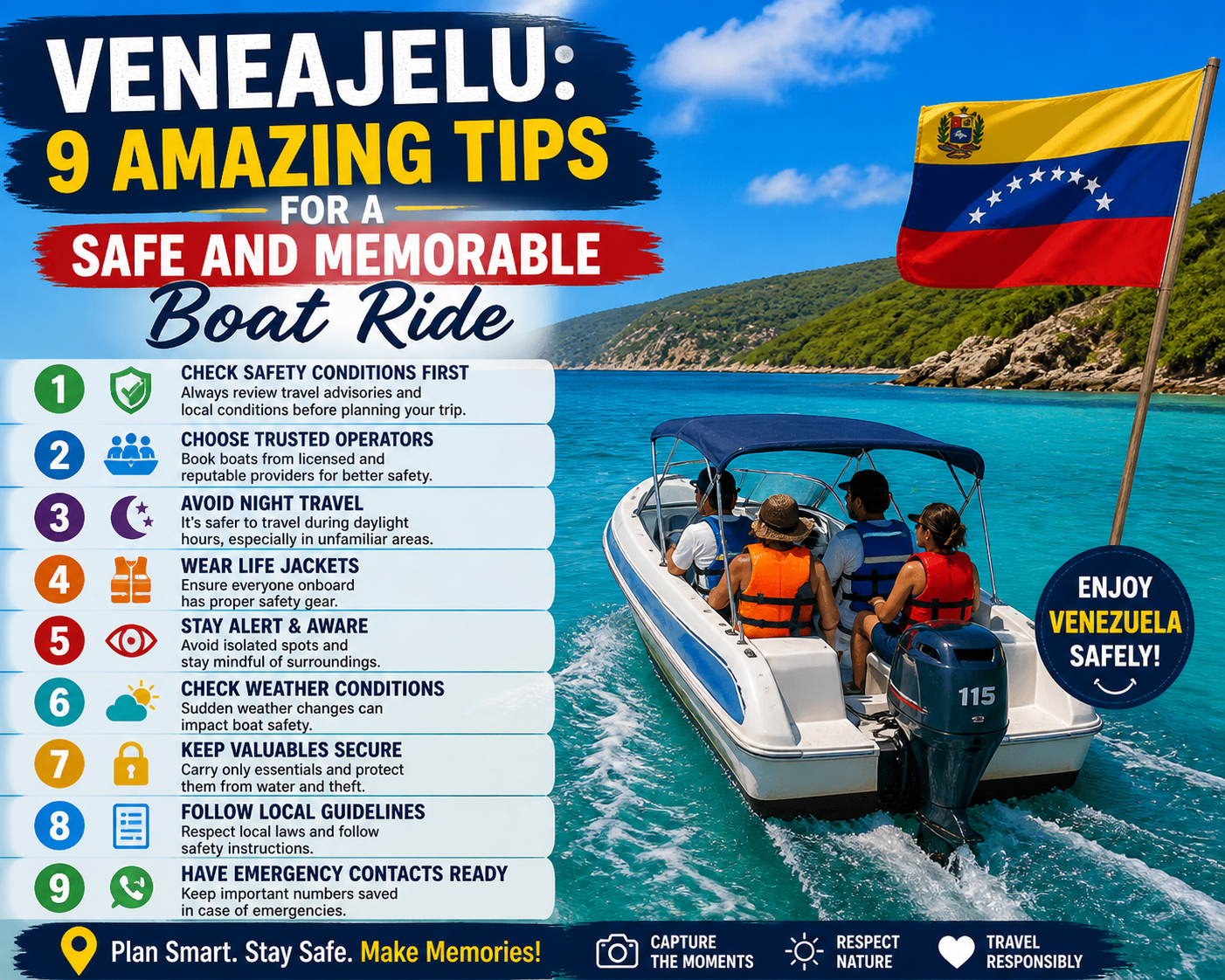
A peaceful boat ride can turn an ordinary day into a bright memory. Veneajelu is more than moving across water. It’s the joy of fresh air, open views, soft waves, and time away from busy streets. Whether you’re planning a short lake cruise, a family outing, a sunset ride, or a coastal adventure, good planning makes the trip safer and more enjoyable.
In places like Finland, boating is closely tied to summer culture, nature travel, and archipelago life. Official boating guidance from Traficom explains that boaters should understand rules, responsibilities, safety, technology, and environmental matters before heading out.
What Makes a Boat Ride So Special?
A boat ride feels different from most outdoor activities because it gives you space to slow down. On land, people often rush from one task to another. On water, the pace naturally changes. The sound of the engine, the wind, the water, and the wide horizon all help create a calm mood.
A short ride can feel refreshing after a long week. A longer trip can become a full-day adventure with swimming, fishing, island stops, photography, or a picnic. For many people, the best part is not the destination. It’s the gentle movement, the laughter, and the feeling of freedom.
Boat rides are also flexible. You can enjoy them alone, with your partner, with children, or with a group of friends. Some people prefer quiet lake routes. Others love coastal sightseeing, ferry tours, or private charters through island areas. Visit Finland, for example, highlights archipelago ferry trips where travelers can visit destinations such as Seili island and Nauvo village.
Why Choose Veneajelu for Your Next Outdoor Experience?
Veneajelu is a great choice when you want an activity that feels relaxing, scenic, and special without being too complicated. A well-planned boat ride gives you nature, comfort, and adventure in one simple experience.
Fresh Air, Calm Water, and Beautiful Views
Water has a way of making people feel lighter. The open view clears the mind, and the fresh air helps you feel awake and calm. During a boat ride, you may see birds, islands, forests, harbors, bridges, cliffs, beaches, or small waterfront homes.
A scenic route can also be a wonderful break from screens. Instead of scrolling, you look around. Instead of rushing, you notice details: sunlight on the water, clouds moving above, and the quiet rhythm of waves.
A Great Activity for Families, Couples, and Friends
Boat rides fit many occasions. Families can enjoy a safe and slow trip with snacks and sightseeing. Couples can choose a sunset cruise for a romantic evening. Friends can plan a fun day with music, swimming, and island stops.
The key is matching the route and boat type to the group. Children and older adults may prefer calm waters and shorter trips. Adventure lovers may enjoy faster boats, coastal routes, or longer island-hopping journeys.
Best Places to Enjoy a Scenic Boat Ride
The best route depends on your mood, budget, time, and comfort level. Calm lakes are ideal for beginners. Rivers are great for gentle sightseeing. Coastal areas offer wider views and more adventure. Archipelagos are perfect when you want islands, marinas, and charming stops.
Finland’s Coast and Archipelago region is known for islands, national parks, and coastal towns, making it a strong example of how varied a boat ride can be.
Lake Routes for Peaceful Cruising
Lake routes are often calm, quiet, and beginner-friendly. They are great for families, first-time boaters, and anyone who wants a slow trip. A lake ride may include fishing spots, forest views, small beaches, and peaceful picnic areas.
For comfort, choose a route with easy docking points and clear navigation. A shorter route is better if your group includes children or people who are not used to boats.
Coastal Routes for Adventure Seekers
Coastal boat rides feel more open and exciting. You may see large ships, rocky shores, lighthouses, sea birds, and busy harbors. These trips can be beautiful, but they also require more attention to weather, waves, and navigation.
Before taking a coastal route, check the forecast and make sure the boat is suitable for the conditions. Open water can change quickly, so preparation matters.
Archipelago Trips and Island Stops
Archipelago trips are special because they combine boating with exploration. You can stop at small islands, visit cafés, walk through villages, or enjoy a beach. Finland’s Archipelago National Park is promoted for boating, sailing, paddling, and nature experiences in the Archipelago Sea.
How to Plan the Perfect Boat Ride
A great boat ride starts before you step on board. Planning helps avoid stress and keeps the trip smooth.
Choose the Right Boat Type
Different boats create different experiences:
| Boat Type | Best For | Main Benefit |
|---|---|---|
| Small motorboat | Short lake trips | Easy and flexible |
| Sailboat | Calm scenic travel | Quiet and classic |
| Ferry | Budget-friendly sightseeing | Simple and social |
| Private charter | Special events | Comfort and privacy |
| Cabin boat | Longer trips | Shelter and storage |
Choose based on group size, route, weather, and comfort. A private charter may be best for birthdays or romantic trips. A ferry tour may be better for travelers who want a simple, guided experience.
Check Weather and Water Conditions
Weather is one of the most important parts of boating. Wind, rain, fog, and sudden temperature changes can affect safety and comfort. Check the forecast before leaving, and keep checking if the trip is long.
Do not ignore strong wind warnings. Even a sunny day can become unsafe if waves grow or visibility drops.
Pick the Best Time of Day
Morning rides are often calm and peaceful. Afternoon rides feel lively and warm. Sunset rides are beautiful and romantic. However, late trips need extra care because visibility can drop quickly.
For beginners, daytime is usually best. You can see markers, shorelines, and other boats more easily.
Essential Safety Tips Before You Go
Safety should never feel like a boring checklist. It is what allows everyone to relax. Traficom says boating safety is based on making the right choices and anticipating risks before they become problems.
Wear the Right Life Jacket
Life jackets are essential. The Finnish Border Guard says approved lifejackets should be available for each person on board and reminds boaters that lifejackets help in emergencies only when they are worn.
Choose a jacket that fits your size and purpose. SPEK notes that 100N life jackets are intended for sheltered waters, 150N for coastal waters, and 275N for open sea conditions.
Keep Safety Equipment On Board
A safe boat should carry basic emergency items. Depending on the boat and route, this may include:
- Life jackets for every person
- First-aid kit
- Anchor and rope
- Oars or paddle
- Bailing device
- Navigation chart
- Charged phone or radio
- Fire extinguisher where required
The Finnish Border Guard lists items such as oars or paddle, anchor with ropes, drainage or bailing device, lifejackets, fire extinguisher for many motorboats, and a nautical chart for navigation.
Stay Sober and Alert on the Water
Alcohol and boating do not mix well. Traficom and Alko have reminded boaters about the importance of wearing a life jacket and staying sober when going out on the water.
The person operating the boat should be alert, calm, and ready to make quick decisions. Water can be relaxing, but it still demands respect.
What to Pack for a Comfortable Boat Ride
Packing well can turn a good ride into a great one. The goal is to bring what you need without crowding the boat.
Food and Drinks for the Trip
Bring simple food that is easy to eat and does not create a mess. Good options include sandwiches, fruit, nuts, crackers, and water bottles. Avoid heavy meals if the water may be rough.
Hydration is important, especially in sunny weather. Even when the wind feels cool, the sun can be strong on open water.
Clothing for Changing Weather
Weather can feel colder on water than on land. Bring layers, even during summer. A light jacket, hat, sunglasses, and rain cover can make a big difference.
A waterproof bag is useful for phones, wallets, keys, and spare clothes. Non-slip shoes are also a smart choice.
Boat Ride Etiquette and Environmental Care
A responsible boat ride respects other people, wildlife, and the water. Good boating manners make the experience better for everyone.
Reduce Noise and Wake
Slow down near docks, swimmers, kayaks, fishing boats, and shorelines. Large wakes can disturb others and may damage smaller boats or natural banks.
Keep music at a polite level. Sound travels easily over water, especially in quiet areas.
Protect Waterways and Wildlife
Do not throw trash into the water. Keep fuel, oil, and chemicals away from lakes and seas. Responsible boating guidance from vesi.fi encourages boaters to maintain boats properly, use required safety equipment, wear life jackets, and keep speed moderate.
Wildlife should be watched from a distance. Birds, seals, and nesting areas need space. A good rule is simple: enjoy nature without disturbing it.
Common Mistakes to Avoid
Even simple boat rides can go wrong when people skip the basics. Here are common mistakes:
| Mistake | Why It Matters | Better Choice |
|---|---|---|
| Ignoring the weather | Conditions can change fast | Check forecast before and during the trip |
| Not wearing life jackets | Emergencies happen suddenly | Wear them throughout the ride |
| Overloading the boat | Affects balance and safety | Follow capacity limits |
| Forgetting water | Sun and wind cause dehydration | Bring enough drinking water |
| Poor route planning | Can waste fuel and time | Plan stops and return route |
| Going too fast near shore | Creates wake and risk | Slow down near people and docks |
Planning is not about removing fun. It protects the fun.
FAQs About Boat Rides
What is the best time for a boat ride?
Morning is often calm and peaceful, while sunset gives beautiful views. For beginners, daylight hours are usually safest because visibility is better.
Is Veneajelu good for families with children?
Yes, Veneajelu can be great for families when the route is calm, the trip is not too long, and every child wears a properly fitted life jacket.
What should I wear on a boat ride?
Wear comfortable layers, non-slip shoes, sunglasses, and a hat. Bring a light jacket because it can feel cooler on water.
Do I need boating experience for a boat ride?
Not always. A guided ferry tour or private charter does not require you to operate the boat. If you plan to drive, you should understand local rules, navigation, and safety basics.
What food is best for a boat trip?
Simple snacks are best. Sandwiches, fruit, crackers, nuts, and bottled water are easy to pack and eat.
How can I make a boat ride more special?
Choose a scenic route, plan a picnic, bring a camera, stop at an island, or book a sunset ride. Small details can make the trip feel unforgettable.
Conclusion
A boat ride is one of the most enjoyable ways to connect with nature, spend time with loved ones, and see familiar places from a fresh angle. With the right route, safe equipment, good weather planning, and respect for the environment, your trip can be smooth, relaxing, and memorable.
Whether you choose a quiet lake, a coastal tour, or an island-hopping adventure, the secret is simple: prepare well, stay safe, and enjoy the journey. For official boating safety guidance, Traficom’s boating resources are a helpful place to start.


PortCheckerOnline.com: Port Checking, Network Testing, and Online Security

Majinoukari.com Careers Teams: How to Explore Job Opportunities and Verify a Website

Nude Beach Florida: A Guide to Clothing-Optional Beaches, Rules, and Visitor Tips
-

 Fashion9 years ago
These ’90s fashion trends are making a comeback in 2017
-
Entertainment9 years ago
The final 6 ‘Game of Thrones’ episodes might feel like a full season
-
Fashion9 years ago
According to Dior Couture, this taboo fashion accessory is back
-
Entertainment9 years ago
The old and New Edition cast comes together to perform
-
Sports9 years ago
Phillies’ Aaron Altherr makes mind-boggling barehanded play
-
Business9 years ago
Uber and Lyft are finally available in all of New York State
-
Entertainment9 years ago
Mod turns ‘Counter-Strike’ into a ‘Tekken’ clone with fighting chickens
-
Entertainment9 years ago
Disney’s live-action Aladdin finally finds its stars