
Tech
Delta flight dl275 diverted lax: 7 Powerful Safety Lessons From a Risky Mid-Air Turnaround


Quick Summary of the DL275 Diversion
The phrase Delta flight dl275 diverted lax refers to reports that Delta Air Lines Flight DL275, normally operating from Detroit Metropolitan Wayne County Airport to Tokyo Haneda, diverted to Los Angeles International Airport after a reported engine anti-ice system issue. Flight-tracking pages identify DL275 as a Delta route between Detroit and Tokyo Haneda, while aviation reports from May 2025 described the aircraft turning back and landing at LAX rather than continuing across the Pacific.
This was not reported as a crash. It was a safety diversion. That difference matters. A diversion can feel stressful for passengers, but it is often a sign that pilots, dispatchers, and maintenance teams are acting early instead of waiting for a problem to grow.
What Was Delta Flight DL275?
Delta Flight DL275 is associated with Delta’s Detroit-to-Tokyo Haneda service. FlightStats listed DL275 as operating from Detroit Metropolitan Wayne County Airport to Tokyo Haneda, with scheduled service on that long-haul international route. Airportia also describes DL275 as a Detroit-to-Tokyo flight and notes that the route is typically operated multiple times per week, with an average flight time of roughly 12 hours and 49 minutes.
Long-haul flights like this need careful planning. The aircraft crosses remote airspace, often over cold northern routes and wide oceanic areas. That means any technical warning must be treated seriously. Even when the aircraft is flying normally, crews may choose to divert if continuing would reduce safety margins.
Delta flight dl275 diverted lax: What Happened?
According to aviation coverage, DL275 departed Detroit for Tokyo Haneda but later turned around and diverted to Los Angeles. AirLive reported that the Delta flight to Japan “turned around” and flew several hours to divert to LAX. Aviation Herald’s searchable incident listing described a Delta A350 over the Bering Sea on May 26, 2025, with passengers reporting an issue involving the Trent XWB engine anti-ice systems.
The key point is simple: the crew did not wait for a worse problem. They chose a safer airport where Delta could better support the aircraft, crew, and passengers.
The Reported Engine Anti-Ice Issue
Some online posts call the issue “de-icing,” but that wording can be misleading. De-icing usually happens on the ground before takeoff, when ice, snow, or frost is removed from the aircraft. Engine anti-ice is different. It is an onboard system designed to prevent ice from building up on critical engine areas during flight.
Simple Flying’s report and discussion around the event emphasized that the issue was anti-ice, not ordinary ground de-icing. This matters because a long flight over the Pacific can pass through changing weather and very cold conditions. If an anti-ice system is not working as expected, continuing for hours over remote areas may not be the best option.
Why Los Angeles Was a Practical Diversion Airport
At first glance, LAX may seem like a strange choice if the aircraft was closer to Alaska or the Pacific Northwest. But diversion airports are not chosen only by distance. Crews and airline operations teams also consider weather, runway length, maintenance capability, aircraft type support, replacement crew availability, passenger connections, customs handling, and airline infrastructure.
Los Angeles is a major international airport with long runways and strong airline support facilities. For a widebody Airbus A350, those factors can matter more than simply picking the nearest runway. This is why a longer diversion can still be the smarter and safer choice.
Passenger Experience After Landing
For passengers, a diversion often means missed connections, hotel arrangements, new boarding passes, long lines, and plenty of uncertainty. That is frustrating. Still, the main goal is safe arrival. Once an aircraft lands, the airline can inspect the plane, arrange repairs, rebook travelers, and reset crew schedules.
Travelers should keep receipts, monitor airline app updates, ask about meal or hotel support, and avoid making separate replacement bookings until they understand what the airline is offering.
7 Powerful Safety Lessons From the Diversion
| Lesson | What It Means |
|---|---|
| 1. Warnings are taken seriously | Crews do not ignore technical alerts. |
| 2. Diversions are preventive | A diversion often happens before danger becomes urgent. |
| 3. Distance is not the only factor | Maintenance and airport capability matter. |
| 4. Long-haul flights need extra planning | Oceanic routes leave fewer easy options. |
| 5. Passenger inconvenience is secondary to safety | Delays are painful, but safety comes first. |
| 6. Modern aircraft give crews early information | Alerts help pilots make timely choices. |
| 7. A safe landing is the success story | The goal is controlled, calm risk management. |
What Travelers Should Do During a Flight Diversion
Stay calm and listen to crew instructions. The cabin crew may not have every detail right away, because pilots are focused on flying, communicating with air traffic control, and coordinating with dispatch.
After landing, check the airline app first. Then speak with gate agents about rebooking, hotels, meals, and onward travel. For international trips, also check whether your visa, customs, or connection plans are affected. Keep screenshots of delay notices and save all receipts.
Common Myths About Flight Diversions
A diversion does not automatically mean the aircraft was about to crash. It also does not always mean there was severe turbulence, fire, or engine failure. In many cases, it means the crew found a technical issue that reduced the safety margin for the planned route.
Another myth is that the nearest airport is always the safest choice. In reality, the safest airport may be the one with the right runway, weather, maintenance teams, replacement crew, and passenger support.
FAQs
Why did Delta DL275 divert to LAX?
Reports connected the diversion to an engine anti-ice system issue on an Airbus A350 operating the Detroit-to-Tokyo route.
Was DL275’s diversion an emergency?
Available reports describe a safety diversion, not a crash. The aircraft landed safely at Los Angeles.
What is an engine anti-ice system?
It is a system that helps prevent ice from forming on key engine areas during flight, especially in cold and moist conditions.
Why did the flight go to LAX instead of Alaska?
The likely reason was operational suitability. LAX offers major airport infrastructure, long runways, maintenance support, and better passenger-handling options.
Is DL275 still a Detroit-to-Tokyo flight?
Current flight-status sources continue to list DL275 as a Delta flight between Detroit and Tokyo Haneda.
Does a diversion mean flying is unsafe?
No. A diversion usually shows that the safety system is working. Crews are trained to act early and choose the safest practical option.
Conclusion
The DL275 diversion to Los Angeles shows how modern aviation manages risk: detect a problem, avoid unnecessary exposure, choose a capable airport, and land safely. While passengers likely faced delays and stress, the event is best understood as a careful safety decision, not a disaster.

Quick answer: Mannacote is an advanced, highly adaptable biopolymer designed to replace traditional synthetic plastics in various industries. By combining biodegradable properties with structural durability, Mannacote reduces environmental waste while providing essential material solutions for healthcare devices, consumer technology, and sustainable packaging.
Materials science dictates the boundaries of human innovation. For decades, manufacturers relied heavily on synthetic plastics and resource-intensive metals to build everything from medical implants to smartphone components. The environmental toll of these traditional materials has forced industries to seek viable alternatives that do not compromise on durability or performance.
Enter Mannacote. This versatile biopolymer bridges the gap between ecological responsibility and industrial-grade strength. Businesses across multiple sectors are now integrating this material into their supply chains to meet strict sustainability goals without sacrificing quality.
Understanding how this material functions reveals exactly why major manufacturers are shifting their production models. Read on to explore the origins, applications, and future trajectory of this groundbreaking material.
What is the history and evolution of Mannacote?
The development of Mannacote began as a response to the growing global plastic crisis. Early prototypes of sustainable polymers often suffered from structural weakness, making them unsuitable for high-stress applications. In 2018, a consortium of materials scientists and environmental engineers focused on synthesizing a new compound derived from plant-based aliphatic polyesters combined with reinforcing nanostructures.
The breakthrough occurred when researchers discovered a proprietary curing process that aligned the polymer chains to mimic the tensile strength of polycarbonate. This first iteration of Mannacote proved that a biodegradable material could withstand high heat and physical stress.
By 2021, the manufacturing process was streamlined for commercial scalability. Early adopters in the packaging sector utilized the material for shipping logistics, reporting a 30% reduction in material costs and a significant drop in carbon emissions. Continuous refinement has since expanded the material’s structural capabilities, allowing it to transition from simple packaging to complex medical and technological applications.
What are the key benefits and applications of Mannacote?
The primary advantage of this advanced biopolymer lies in its unique combination of durability and biodegradability. Choose Mannacote if your manufacturing process requires a material that performs like traditional plastic but breaks down safely in industrial composting facilities.
How does Mannacote improve health and wellness?
The medical field demands materials that are entirely biocompatible and sterile. Mannacote exhibits natural antimicrobial properties, making it an excellent candidate for single-use medical devices, surgical tools, and protective equipment.
Because the body does not reject the base compounds found in the material, researchers are currently testing specialized Mannacote variants for temporary internal implants, such as dissolvable sutures and orthopedic scaffolds. These applications reduce the need for secondary removal surgeries, directly improving patient recovery times.
How is Mannacote used in technology and innovation?
Consumer electronics generate millions of tons of e-waste annually. Tech companies are utilizing Mannacote to construct device housings, internal brackets, and protective casings. The material provides excellent thermal insulation, protecting sensitive microchips from heat damage while keeping the overall weight of the device low.
Furthermore, the biopolymer does not interfere with radio frequencies, making it ideal for 5G-enabled devices and smart home hardware. By swapping synthetic plastics for this sustainable alternative, tech companies can drastically lower the lifecycle impact of their hardware.
What is the environmental impact of Mannacote?
Traditional plastics take centuries to decompose, leaving behind harmful microplastics. Mannacote is engineered to degrade naturally within 180 days when exposed to the specific heat and moisture levels found in commercial composting facilities.
During its production phase, manufacturing this biopolymer emits 45% less greenhouse gas compared to standard petroleum-based plastics. The sourcing of raw materials relies on rapidly renewable agricultural byproducts, ensuring that the supply chain does not contribute to deforestation or excessive water consumption.
How is Mannacote changing major industries today?
The transition from traditional materials to advanced biopolymers is actively reshaping global supply chains. Manufacturers are finding that sustainable practices often lead to increased efficiency and better product performance.
Transforming healthcare with Mannacote integrations
Hospitals generate a massive amount of medical waste daily. The integration of biodegradable single-use items—such as syringes, IV tubing, and diagnostic equipment housing—allows medical facilities to reduce their reliance on toxic incineration processes.
According to pilot programs in leading European hospitals, switching to Mannacote-based disposables reduced overall facility waste management costs by 22%. The material’s durability ensures that patient safety is never compromised, while its end-of-life disposal is much safer for local ecosystems.
Mannacote’s role in sustainable development and eco-friendly manufacturing
Governments worldwide are implementing strict regulations on single-use plastics and industrial emissions. Companies are adopting this advanced biopolymer to future-proof their operations against impending environmental legislation.
In the logistics and shipping sector, heavy-duty protective packaging made from this material replaces expanded polystyrene (Styrofoam). This shift allows companies to advertise fully circular packaging solutions, appealing to a growing demographic of environmentally conscious consumers.
Enhancing digital experiences and hardware with Mannacote
Hardware manufacturers face a constant battle between durability and weight. Mannacote offers a high strength-to-weight ratio, allowing engineers to design thinner, lighter laptops and smartphones.
Beyond external casings, the material is being tested as a flexible substrate for wearable technology. Its resistance to sweat and oils makes it highly suitable for fitness trackers and medical monitoring bands, ensuring long-lasting comfort for the user without contributing to long-term environmental pollution.
What are the future trends and predictions for Mannacote?
The materials science sector anticipates rapid growth in the adoption of advanced biopolymers over the next decade. Industry analysts predict that the global market for sustainable smart materials will expand exponentially, driven by both consumer demand and regulatory pressures.
We can expect to see the development of “smart” Mannacote variants embedded with conductive properties. This would allow the material to act as both a structural component and a functional circuit board within tech devices, further reducing the number of different materials needed to build electronics.
Additionally, advancements in agricultural science will likely yield new, more efficient plant-based sources for the polymer’s raw ingredients. Localized production facilities could soon process regional agricultural waste directly into industrial-grade biopolymers, drastically cutting down on global shipping emissions and creating self-sustaining regional supply chains.
Moving forward with next-generation biopolymers
The shift toward sustainable manufacturing requires viable, scalable solutions. Mannacote proves that industries do not have to choose between high-performance materials and environmental responsibility. From reducing medical waste in hospitals to creating lighter, more eco-friendly consumer electronics, this advanced biopolymer is establishing a new standard for global production.
As regulations tighten and consumer preferences shift toward green initiatives, adopting materials like Mannacote will become a competitive necessity. Evaluate your current supply chain and explore how integrating advanced biopolymers can optimize your manufacturing processes and reduce your ecological footprint.
Frequently asked questions about Mannacote
What exactly is Mannacote made of?
Mannacote is a proprietary biopolymer derived from plant-based aliphatic polyesters and reinforced with natural nanostructures. It utilizes agricultural byproducts, making it a renewable alternative to petroleum-based plastics.
How long does it take for Mannacote to decompose?
Under the right conditions in an industrial composting facility, Mannacote breaks down completely within 180 days. It does not leave behind harmful microplastics or toxic residues.
Is Mannacote safe for medical use?
Yes. The material is biocompatible and naturally antimicrobial. It is currently used in single-use medical devices, protective equipment, and is being tested for temporary internal medical implants like dissolvable sutures.
Can Mannacote be recycled with normal plastics?
No. Because it is designed to biodegrade, mixing Mannacote with traditional petroleum-based plastics can disrupt standard recycling streams. It should be disposed of in designated commercial composting facilities.
Is Mannacote more expensive than traditional plastic?
While the initial production cost per pound is slightly higher than traditional synthetic plastics, companies often see a net financial benefit due to reduced waste management fees, lower shipping weights, and avoidance of plastic-tax regulations.
Introduction
Toastul Let’s be honest—most corners of the internet feel noisy these days. Endless scrolling, notifications buzzing every other second, and algorithm-driven feeds that somehow know what you ate before you do. Somewhere between all that chaos, people started craving something different. Something softer. Something meaningful.
That’s where Toastul enters the picture.
Now, if you’ve stumbled upon the word and scratched your head wondering, “What exactly is Toastul?” — you’re not alone. The beauty of Toastul lies partly in its mystery. It isn’t boxed into one rigid definition. Instead, it represents a growing digital mood: warm interaction, thoughtful creativity, and a slower, more intentional way of connecting online.
Think of it like gathering around a glowing campfire… except the fire lives on your screen.
Sounds strange? Maybe a little. But also weirdly comforting.
In this article, we’ll explore the imaginative universe of Toastul, how it reflects modern internet culture, why people are gravitating toward emotionally rich online experiences, and how this curious concept could shape the future of digital communication.
Grab a coffee, settle in, and let’s dive into it.
What Is Toastul, Really?
At its core, Toastul can be imagined as a digital atmosphere rather than a single product or platform. It’s the feeling of warmth in a cold online world. A blend of creativity, authenticity, and intimate interaction wrapped into one experience.
Some people describe Toastul as:
- A virtual social ritual
- A cozy online movement
- A storytelling-driven digital community
- A mindfulness-inspired internet culture
- A creative expression hub
And honestly? They’re all kind of right.
Toastul isn’t about chasing viral fame or fighting for attention. Instead, it celebrates slower conversations, emotional honesty, and tiny moments that matter.
Imagine posting something online not to impress strangers, but to genuinely connect with someone. That’s the spirit Toastul captures.
The Rise of Cozy Internet Culture
The internet wasn’t always loud.
Back in the early days, people built quirky little blogs, niche forums, and personal websites decorated with glitter GIFs and questionable color schemes. Sure, things looked chaotic—but oddly enough, they felt personal.
Over time, polished perfection took over.
Everything became curated. Optimized. Monetized.
And people got exhausted.
That exhaustion sparked the rise of what many now call cozy internet culture—a movement centered around authenticity, comfort, and meaningful interaction. Toastul fits perfectly into this trend.
Why People Are Seeking Softer Digital Spaces
Several reasons explain this shift:
1. Digital Burnout Is Real
Too much screen time can leave people emotionally drained. Endless competition online creates stress instead of joy.
Toastul-style experiences offer relief.
2. Authenticity Feels Refreshing
People are tired of fake perfection. Honest storytelling now resonates more deeply than polished influencer aesthetics.
3. Community Matters Again
Humans naturally crave belonging. Toastul encourages smaller, emotionally richer interactions rather than massive, disconnected audiences.
4. Nostalgia Plays a Huge Role
Oddly enough, many users miss the “messy humanity” of older internet spaces. Toastul captures that warmth while blending it with modern creativity.
The Emotional Psychology Behind Toastul
Here’s where things get fascinating.
Toastul isn’t just aesthetically pleasing—it taps directly into human psychology.
Why Warm Digital Experiences Feel Good
When online interactions feel emotionally safe and genuine, the brain responds positively. Researchers studying digital wellness often highlight the importance of meaningful communication over passive scrolling.
According to insights shared by the American Psychological Association, healthy social interaction can improve emotional well-being and reduce feelings of isolation.
Toastul-style environments encourage:
- Emotional openness
- Shared creativity
- Gentle communication
- Positive reinforcement
- Reflective thinking
In a way, it’s less about consuming content and more about experiencing connection.
How Toastul Could Transform Online Communities
The internet constantly evolves. One year everyone’s dancing in short videos; the next year people are writing heartfelt newsletters again.
Trends come and go.
But Toastul represents something deeper—a cultural correction.
From Performance to Presence
Traditional social platforms often reward performance:
- More followers
- More likes
- More visibility
- More outrage
Toastul flips the script.
Instead of asking:
“How can I go viral?”
It asks:
“How can I be real?”
That’s a massive difference.
Possible Features of a Toastul-Inspired Platform
If someone built a full Toastul platform tomorrow, it might include:
| Feature | Purpose |
|---|---|
| Slow-posting feeds | Encourages thoughtful sharing |
| Anonymous storytelling corners | Promotes honesty |
| Mood-based interaction rooms | Builds emotional resonance |
| Audio journals | Creates intimacy |
| Tiny group gatherings | Strengthens community |
Rather than maximizing engagement metrics, Toastul-style systems would prioritize emotional quality.
Pretty radical for today’s internet, huh?
The Art of Digital Storytelling in Toastul
Storytelling sits at the heart of Toastul.
Not polished brand storytelling.
Not marketing buzzwords.
Real stories.
Messy stories.
Human stories.
Why Stories Matter More Than Ever
People remember feelings more than facts. A heartfelt story sticks in the mind far longer than a perfectly optimized social post.
Toastul encourages storytelling that feels:
- Vulnerable
- Funny
- Reflective
- Honest
- Imperfect
And honestly, imperfect stories are often the most beautiful.
Examples of Toastul-Style Storytelling
Imagine reading posts like:
- “I burned my toast this morning and somehow cried about my childhood.”
- “Today felt lonely, but the sunset looked kind.”
- “I miss when my grandma hummed while cooking soup.”
Simple moments suddenly become meaningful.
That’s the magic.
Why Younger Generations Are Drawn to Toastul
Gen Z and younger millennials especially seem attracted to emotionally intelligent digital spaces.
Why?
Because they grew up online.
They’ve seen:
- Toxic comment sections
- Fake influencer lifestyles
- Doomscrolling culture
- Hyper-commercialized platforms
Naturally, many crave something gentler.
Toastul Reflects Emotional Intelligence
Unlike older internet trends focused purely on entertainment, Toastul emphasizes:
- Reflection
- Empathy
- Soft communication
- Mental wellness
- Creativity without pressure
And frankly, that shift feels overdue.
The Unexpected Power of Slowness
Here’s something modern technology rarely encourages:
Slowing down.
Everything online moves fast:
- Fast videos
- Fast reactions
- Fast opinions
- Fast outrage
Toastul intentionally resists that pace.
Slow Interaction Creates Deeper Connection
When conversations unfold slowly:
- People think more carefully
- Emotions feel more genuine
- Discussions become richer
- Creativity improves
Oddly enough, slowing down often makes digital experiences feel more human.
Who would’ve thought?
Can Brands Learn from Toastul?
Absolutely—but carefully.
The second corporations aggressively commercialize emotional authenticity, people can smell it from miles away.
Still, brands can borrow valuable lessons from Toastul culture.
What Businesses Can Learn
1. People Want Humanity
Scripted corporate language feels robotic. Real voices build trust.
2. Emotional Connection Matters
Consumers increasingly support brands that feel emotionally aware.
3. Community Beats Virality
Smaller loyal communities often outperform massive disconnected audiences.
4. Storytelling Is Essential
People don’t just buy products anymore—they buy feelings and experiences.
Companies embracing warmth and honesty may thrive in the next digital era.
The Aesthetic Side of Toastul
Let’s not pretend aesthetics don’t matter—they absolutely do.
Toastul-inspired visuals often include:
- Warm lighting
- Grainy textures
- Handwritten fonts
- Ambient sounds
- Vintage-inspired colors
- Minimal but emotional design
It’s not flashy.
It’s comforting.
Like digital hot chocolate.
Why Cozy Visuals Affect Emotion
Visual psychology plays a massive role in emotional response. Softer tones and calming imagery can create feelings of safety and relaxation.
That’s why Toastul spaces often feel oddly therapeutic without even trying.
Potential Criticisms of Toastul
Of course, no digital movement is perfect.
Some critics argue Toastul culture risks becoming:
- Overly nostalgic
- Performatively emotional
- Escapist
- Aestheticized vulnerability
And honestly, that criticism isn’t entirely unfair.
Sometimes internet trends turn sincerity into performance. What starts genuine can become curated over time.
Still, the core idea behind Toastul remains valuable:
creating more emotionally meaningful online spaces.
That’s worth preserving.
How to Bring Toastul Energy Into Your Own Life
You don’t need a dedicated app to embrace the Toastul mindset.
You can create it yourself.
Simple Ways to Practice Toastul-Inspired Living
1. Share More Honestly
Post things that feel real instead of impressive.
2. Slow Down Online
Spend less time doomscrolling and more time engaging intentionally.
3. Create Tiny Rituals
Morning journaling, photo diaries, voice notes—small habits matter.
4. Prioritize Warm Conversations
Reach out genuinely instead of reacting mindlessly.
5. Embrace Imperfection
Not every photo, thought, or story needs polishing.
Ironically, imperfections often create the strongest connection.
Will Toastul Become the Future of the Internet?
Maybe.
Or maybe it’ll simply influence the future in subtle ways.
Either way, the cultural appetite behind Toastul is undeniable.
People are hungry for:
- Emotional depth
- Human warmth
- Authentic creativity
- Slower digital spaces
- Meaningful interaction
Technology evolves constantly, but human emotional needs stay surprisingly consistent.
And perhaps that’s why Toastul resonates.
It reminds us that behind every screen is a person hoping to feel seen.
FAQs About Toastul
What does Toastul mean?
Toastul is an imaginative concept representing warm, intentional, and emotionally meaningful digital interaction. It blends creativity, storytelling, and cozy online culture.
Is Toastul a real platform?
Toastul can be interpreted as either a conceptual digital movement or a fictionalized idea symbolizing healthier online spaces.
Why are people interested in cozy internet culture?
Many users feel exhausted by fast-paced, highly curated social media environments. Cozy internet culture offers emotional comfort and authenticity.
How does Toastul differ from traditional social media?
Traditional platforms often prioritize visibility and engagement metrics, while Toastul focuses more on meaningful interaction and emotional depth.
Can Toastul improve mental well-being?
While it’s not therapy, emotionally supportive digital spaces may help reduce feelings of isolation and online fatigue.
Why is slower online interaction becoming popular?
People increasingly value thoughtful communication over constant stimulation. Slower interaction often feels more personal and emotionally rewarding.
Conclusion
In a world dominated by speed, noise, and endless digital performance, Toastul feels like a quiet rebellion.
It invites people to pause.
To connect.
To share honestly.
To rediscover the softer side of the internet.
Whether Toastul becomes a real platform, a creative movement, or simply a cultural mood, its message matters deeply. Technology doesn’t have to make us feel disconnected. In fact, when designed thoughtfully, it can do the exact opposite.
Maybe the future of the internet isn’t louder algorithms or bigger audiences.
Maybe it’s smaller moments.
Warmer conversations.
Messy stories shared at midnight.
And maybe—just maybe—that’s what Toastul was trying to tell us all along.
What Is Mypasokey?
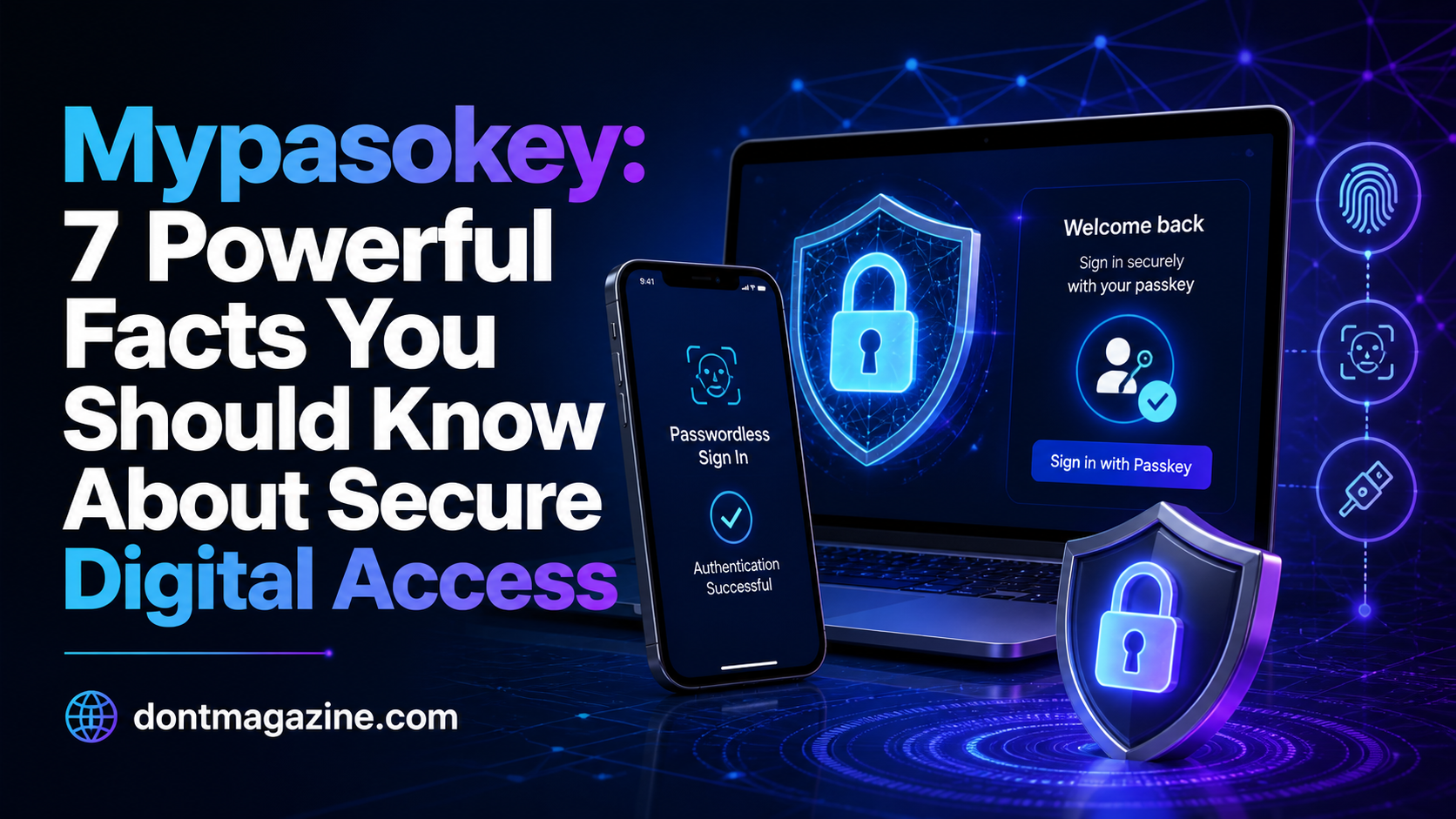
Mypasokey is a term that appears online in different ways. Some sources describe it as a modern passwordless login or password management solution, while other search results connect MyPasoKey to a specific app or portal used by Paso Fino Horse Association members. Because the term is not tied to one universally recognized global standard, users should understand the context before signing up, downloading an app, or entering personal information. Some online pages describe Mypasokey as a tool for password management, encrypted storage, biometric login, and safer account access. Other sources show MyPasoKey as an app related to viewing Paso Fino and Diagonal Horse information.
In simple terms, Mypasokey is most often discussed as a digital access solution. It may involve password storage, passkey-style login, device-based verification, or identity access tools. However, because names like “Mypasokey,” “MyPasoKey,” and “my paso key” are used in different places, it’s smart to verify which service you mean before using it.
Why People Search for Mypasokey
People usually search for Mypasokey because they want one of three things. First, they may want to understand a passwordless login system. Second, they may be looking for a password manager. Third, they may be searching for the Paso Fino Horse Association’s MyPasoKey member-related tool. This is why the term can feel confusing at first.
Online mentions of Mypasokey often talk about account security, password-free authentication, encryption, and easier login experiences. One site describes Mypasokey as a smart password manager with encryption, auto-fill, and cross-device access. Another source describes MyPasoKey as passwordless authentication using device-based security and cryptographic keys.
Mypasokey vs Passkey: Are They the Same?
Mypasokey and a passkey are not automatically the same thing. A passkey is a broader passwordless sign-in method that commonly uses your device, biometrics, or a secure cryptographic key instead of a typed password. Mypasokey, on the other hand, appears to be a brand-like or concept-style term used by different websites and apps.
Think of it this way: a passkey is a general technology idea, while Mypasokey may refer to a specific platform, app, guide, or access tool depending on where you found the name.
How Mypasokey Works
If Mypasokey is being used as a passwordless login or password manager, it may work by storing login details, generating strong passwords, or letting users sign in through a secure device. Some descriptions online mention encryption, biometric login, multi-factor authentication, and cross-device access.
A common secure login process may look like this:
| Step | What Happens |
|---|---|
| 1 | User opens the website or app |
| 2 | The system asks for identity verification |
| 3 | User verifies with fingerprint, face unlock, PIN, or device key |
| 4 | The system checks the secure credential |
| 5 | Access is granted without typing a normal password |
This process can reduce the risk of weak passwords, reused passwords, and phishing attacks. Still, users should always confirm whether the service is legitimate before trusting it with sensitive data.
Passwordless Login and Digital Verification
Passwordless login is becoming more popular because people are tired of remembering dozens of passwords. Many users also reuse the same password across email, shopping, banking, and social media accounts. That habit is risky. If one account is breached, other accounts may be exposed too.
A tool like Mypasokey, when properly built and verified, could help reduce this problem by using secure login methods. Instead of typing a password, users may confirm their identity with a device, biometric check, or secure authentication key.
Biometrics, Devices, and Security Keys
Biometrics include fingerprint scans, face unlock, and similar identity checks. Device-based security means the login depends on a trusted phone, laptop, or tablet. Security keys use cryptographic methods to prove that the right person is trying to sign in.
These tools can make login safer, but they are not magic. A user still needs a strong device lock, updated software, backup recovery options, and caution against fake websites.
Key Features of Mypasokey
Based on current online descriptions, Mypasokey is often linked with the following features:
| Feature | Benefit |
|---|---|
| Password storage | Helps users manage many accounts |
| Auto-fill | Saves time during login |
| Encryption | Protects stored credentials |
| Biometric login | Adds convenience and security |
| Multi-factor authentication | Adds another layer of protection |
| Cross-device access | Lets users access accounts from multiple devices |
| Alerts | May warn users about exposed credentials |
One source describes Mypasokey as a password management tool with AES-256 encryption, biometric login, multi-factor authentication, and password generation. These are strong claims, so users should review the provider’s privacy policy, security documentation, and independent reviews before relying on it.
Encryption and Account Protection
Encryption turns readable information into protected code. A good password manager or digital access system should use strong encryption so that even if data is intercepted, it cannot be easily read.
However, users should not trust security claims blindly. A safe service should clearly explain how it protects data, whether it uses zero-knowledge encryption, how recovery works, and what happens if a device is lost.
Cross-Device Access and Convenience
Many people use several devices every day. They may check email on a phone, work on a laptop, and shop on a tablet. Cross-device access helps users keep login details available across devices.
This convenience is helpful, but it must be balanced with safety. Syncing across devices should be protected by strong authentication. Otherwise, one weak device could become a doorway into many accounts.
Benefits of Using Mypasokey
The biggest benefit of Mypasokey is easier digital access. A good access tool can reduce login stress and improve security habits. Instead of writing passwords in a notebook or using the same password everywhere, users can store or verify credentials through a safer system.
Better Security Than Weak Passwords
Weak passwords are one of the most common causes of account problems. Passwords like “123456,” names, birthdays, and simple words are easy to guess. A password manager or passkey-style tool can help create stronger protection.
When used correctly, a solution like Mypasokey may help users:
- Avoid password reuse
- Create stronger passwords
- Use biometric or device-based login
- Add multi-factor authentication
- Reduce phishing risk
- Manage accounts more easily
Faster Login Experience
Speed matters. People want to access accounts without wasting time. Passwordless login can make this process smoother. Instead of typing long passwords, users may approve login with a fingerprint, face scan, or trusted device.
That said, speed should never come at the cost of safety. Always make sure the platform is real, secure, and trusted.
Possible Risks and Safety Concerns
The main concern with Mypasokey is clarity. Because the name appears in different contexts online, users may not know whether they are dealing with a password manager, a passkey concept, a blog, an Android app, or a member portal.
Search results show one MyPasoKey Android listing connected to Paso Fino and Diagonal Horse information, while another site presents Mypasokey as a password manager. This difference means users should avoid assuming every result is the same product.
Fake Apps, Confusing Names, and Verification Issues
Confusing names can create security problems. A fake app or copycat website may use a similar name to trick users. This is especially risky when the topic involves passwords, identity, or account access.
Before entering login details, check:
- The official website address
- The company or organization behind it
- App store reviews
- Privacy policy
- Security documentation
- Contact information
- Whether the site uses HTTPS
- Whether independent sources mention it
Why You Should Check the Official Source
For any password-related tool, the official source matters. Do not download random APK files or browser extensions unless you trust the source. Also, avoid entering your master password or personal details on pages reached through suspicious ads, unknown emails, or social media messages.
Mypasokey for Personal Use
For personal users, Mypasokey-style tools may help protect email, social media, shopping accounts, and cloud storage. These accounts often contain private data, payment details, photos, and messages. Losing access can be stressful.
A secure login tool can help you keep accounts organized. It can also help you stop using weak passwords. That’s a big win for everyday safety.
Social Media, Email, and Online Accounts
Email is especially important because it is often used to reset other passwords. If someone gets into your email, they may access many other services. Social media accounts are also common targets because they can be used for scams, impersonation, or spam.
Using strong passwords, two-factor authentication, and trusted password tools can make these accounts much safer.
Mypasokey for Businesses
Businesses need stronger access control because employees may handle customer data, payment systems, files, and internal tools. A passwordless login or identity management system can help teams reduce risk.
For a business, a Mypasokey-style system may support:
| Business Need | Possible Use |
|---|---|
| Employee login | Safer access to work tools |
| Role-based access | Limits what each person can see |
| Audit logs | Tracks login activity |
| Multi-factor authentication | Adds protection |
| Central management | Helps IT teams manage accounts |
Team Access and Identity Management
Identity management is about making sure the right person gets the right access at the right time. Businesses should choose tools with strong admin controls, recovery options, compliance support, and clear data protection policies.
Before choosing Mypasokey for business use, compare it with established password managers and identity providers.
Mypasokey App and Online Mentions
One reason people may search Mypasokey is because they have seen the name in an app listing, online article, or member document.
MyPasoKey and Paso Fino Horse Association
A document from the Paso Fino Horse Association references logging into MyPasoKey through a PasoTracker link and using it to view or print a membership card. APKPure also describes a MyPasoKey Android app as an app for PFHA members to view Paso Fino and Diagonal Horse information.
This meaning is different from the password manager meaning. So, context matters.
Password Manager Mentions Online
Other online sources describe Mypasokey as a password manager or passwordless authentication solution. These pages discuss encryption, auto-fill, biometric login, and secure access.
Because of these mixed meanings, always check the source carefully.
How to Use Mypasokey Safely
Using Mypasokey safely starts with one simple rule: verify before you trust. Any service that handles passwords or identity should be treated with care.
Best Practices Before Signing Up
Before creating an account, take these steps:
- Search for the official site or organization.
- Read the privacy policy.
- Check whether the app is listed in a trusted app store.
- Look for independent reviews.
- Avoid unknown APK downloads.
- Use a unique master password.
- Turn on two-factor authentication.
- Keep recovery codes in a safe place.
Check Reviews, Domain, and Privacy Policy
A real security tool should be transparent. It should explain who owns it, how it protects your data, and how users can recover accounts. If a site makes big promises but gives little technical detail, be careful.
Mypasokey Alternatives
If you are looking for a password manager or secure login tool, you may also compare Mypasokey with established options. Popular password manager alternatives include Bitwarden, Dashlane, 1Password, and NordPass. These tools are widely known and often reviewed by cybersecurity communities.
Bitwarden, Dashlane, and Other Password Tools
A good alternative should offer:
| Feature | Why It Matters |
|---|---|
| Strong encryption | Protects stored data |
| Two-factor authentication | Adds login security |
| Password generator | Creates safer passwords |
| Secure sharing | Useful for families or teams |
| Cross-platform apps | Works on phone and computer |
| Clear pricing | Avoids surprises |
| Public security information | Builds trust |
Mypasokey may be useful, but comparing options helps you make a smarter choice.
Common Mistakes to Avoid
Many people make the same security mistakes again and again. The good news is that they are easy to fix.
Reusing Passwords and Ignoring 2FA
Do not reuse passwords across important accounts. Do not save passwords in plain text notes. Do not share login codes with anyone. Do not click login links from suspicious emails.
Also, turn on two-factor authentication whenever possible. It adds a second step to login and can stop many account attacks.
Future of Mypasokey and Passwordless Login
The future of login is moving away from old-style passwords. People want faster, safer, and simpler access. Passwordless systems, biometrics, and device-based verification are becoming more common.
Why Digital Identity Is Changing
Digital life is bigger than ever. People bank online, study online, work online, and store memories online. That means identity protection is now a daily need. Tools like Mypasokey, passkeys, and password managers reflect a larger shift toward safer access.
Still, users should stay alert. New tools can be helpful, but only if they are trustworthy, well-built, and properly used.
FAQs About Mypasokey
1. What is Mypasokey?
Mypasokey is a term used online for digital access, password management, or passwordless login. In some cases, MyPasoKey also refers to a PFHA-related app or portal, so users should check the exact source.
2. Is Mypasokey a password manager?
Some online sources describe Mypasokey as a password manager with encryption, auto-fill, and cross-device access. However, the name is also used in other contexts, so verify the official provider before using it.
3. Is Mypasokey the same as a passkey?
No, not always. A passkey is a general passwordless login method. Mypasokey may refer to a specific tool, app, website, or concept.
4. Is Mypasokey safe?
It may be safe if you are using a legitimate and secure version from an official source. However, because the name appears in different contexts, you should check the website, app listing, privacy policy, and reviews before entering sensitive data.
5. What is the MyPasoKey PFHA app?
Some app listings describe MyPasoKey as an app for PFHA members to view Paso Fino and Diagonal Horse information. That is different from password manager descriptions found elsewhere online.
6. Should I download Mypasokey from APK sites?
Be careful with APK downloads. Only download apps from trusted sources, and avoid installing unknown files that handle passwords or personal data.
7. What are good Mypasokey alternatives?
For password management, common alternatives include Bitwarden, Dashlane, 1Password, and NordPass. Compare security features, reviews, pricing, and privacy policies before choosing.
Conclusion
Mypasokey is a useful but somewhat confusing search term. It may refer to a password manager, a passwordless login idea, a security-focused access tool, or a Paso Fino Horse Association-related app or portal. Because the term appears in more than one context, the smartest move is to verify the exact source before signing up, downloading anything, or entering private information.
Used correctly, Mypasokey-style technology can support safer logins, stronger passwords, biometric access, and better account protection. But remember, security starts with careful choices. Check the official website, read the privacy policy, use two-factor authentication, and never trust unknown login pages blindly.


Why Small Businesses Around Charleston Keep Choosing Chucktown Websites

DeAnna Dobosz: Career, Leadership Journey, Professional Achievements, and Business Impact

Can Anyone Do a Bro Split? Who It Works For, Who Should Skip It, and How to Make It Effective
-

 Fashion9 years ago
These ’90s fashion trends are making a comeback in 2017
-
Entertainment9 years ago
The final 6 ‘Game of Thrones’ episodes might feel like a full season
-
Fashion9 years ago
According to Dior Couture, this taboo fashion accessory is back
-
Entertainment9 years ago
The old and New Edition cast comes together to perform
-
Sports9 years ago
Phillies’ Aaron Altherr makes mind-boggling barehanded play
-
Business9 years ago
Uber and Lyft are finally available in all of New York State
-
Entertainment9 years ago
Disney’s live-action Aladdin finally finds its stars
-
Sports9 years ago
Steph Curry finally got the contract he deserves from the Warriors