
Business
Logisths: The Hidden Engine Powering a Fast-Moving Digital World

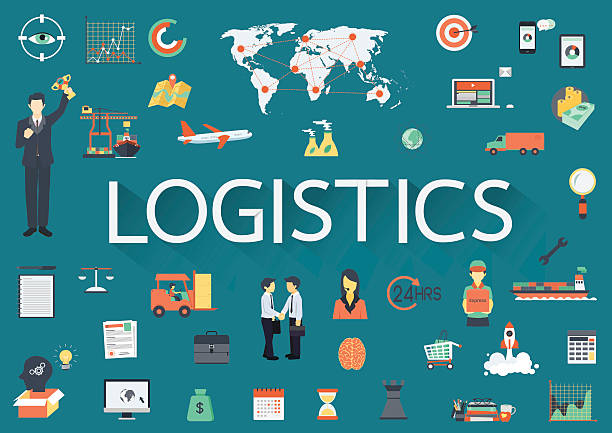
Introduction
Ever ordered something online and wondered how it magically appeared at your doorstep within days—or sometimes hours? Well, behind that smooth experience lies an intricate world many people barely notice. That world is driven by Logisths.
From massive shipping containers crossing oceans to tiny packages traveling through busy city streets, logistics has quietly become the backbone of modern civilization. Without it, supermarkets would empty overnight, hospitals would run short of medicines, and online businesses would collapse faster than a house of cards in a storm!
Yet, despite its importance, logistics often stays hidden in the background. Strange, isn’t it? We celebrate flashy technology, viral apps, and futuristic gadgets, but rarely think about the complex systems moving goods across continents every single day.
This article dives deep into the fascinating universe of Logisths—its evolution, technology, challenges, opportunities, and the surprising ways it affects everyday life. So buckle up! Things are about to get interesting.
What Exactly Is Logisths?
At its core, Logisths refers to the planning, management, transportation, and storage of goods from one place to another. Sounds simple enough? Not quite.
Imagine coordinating:
- Warehouses
- Trucks
- Cargo ships
- Air freight
- Delivery workers
- Inventory systems
- Customs regulations
- Real-time tracking
- Fuel management
Now multiply that by millions of products moving simultaneously around the globe. Suddenly, logistics feels less like transportation and more like orchestrating a gigantic worldwide symphony.
In simple terms, Logisths ensures the right product reaches the right place at the right time—and hopefully without breaking the bank.
The Evolution of Logistics Through History
Ancient Trade Routes
Long before modern highways existed, humans relied on caravans, horses, and ships. Ancient civilizations like Egypt, Rome, and China mastered trade routes that connected cultures and economies.
The Silk Road, for instance, wasn’t just about silk. It was an early logistics network connecting Asia, Europe, and the Middle East. Pretty impressive for a time without GPS, right?
Industrial Revolution Changes Everything
Then came trains, steamships, and factories.
The Industrial Revolution transformed logistics into a large-scale operation. Goods could now travel faster and farther than ever before. Businesses expanded rapidly, and supply chains became more organized.
The Digital Era
Fast forward to today, and technology has flipped the entire industry upside down.
Modern Logisths now relies heavily on:
- Artificial intelligence
- Automation
- Data analytics
- Cloud computing
- IoT devices
- Blockchain systems
- Smart warehouses
Frankly, some logistics centers today look more like science-fiction movie sets than traditional warehouses.
Why Logisths Matters More Than Ever
You may not notice logistics daily, but it touches nearly every aspect of life.
eCommerce Boom
Online shopping changed consumer expectations forever. People don’t just want products anymore—they want them immediately.
Same-day delivery? Overnight shipping? Real-time tracking?
That’s all logistics magic.
Without advanced logistics systems, companies like Amazon and countless global retailers simply couldn’t function.
Healthcare Dependence
Hospitals depend heavily on efficient transportation systems. Medicines, vaccines, surgical tools, and emergency supplies must arrive quickly and safely.
During global crises, logistics literally saves lives.
Food Supply Chains
Ever seen strawberries in winter? Or imported coffee beans from another continent?
Thank logistics for that.
Food distribution networks keep grocery stores stocked year-round, even when products travel thousands of miles.
The Technology Revolution Behind Modern Logisths
Technology isn’t just supporting logistics anymore—it’s redefining it entirely.
Artificial Intelligence and Predictive Analytics
AI helps companies forecast demand, optimize delivery routes, and reduce waste.
Instead of reacting to problems, businesses can predict them before they happen. That’s a game-changer.
For example:
- Predicting traffic delays
- Monitoring fuel consumption
- Forecasting inventory shortages
- Preventing warehouse bottlenecks
AI basically acts like a crystal ball for logistics managers.
Smart Warehouses
Gone are the days of workers manually searching endless shelves.
Modern warehouses use:
- Robots
- Automated conveyors
- Smart scanners
- Drone inventory systems
Some facilities operate almost entirely through automation. Crazy, huh?
GPS and Real-Time Tracking
Consumers now expect transparency. They want to know where their package is every second.
Thanks to GPS technology, logistics companies provide:
- Live package tracking
- Delivery notifications
- Estimated arrival times
- Route optimization
No more waiting blindly and hoping the package arrives someday.
Sustainability in the Logistics Industry
Let’s be honest—logistics has an environmental problem.
Massive transportation networks generate huge carbon emissions. Trucks, planes, and cargo ships consume enormous amounts of fuel daily.
But things are changing.
Green Transportation
Companies are investing in:
- Electric delivery vehicles
- Hybrid trucks
- Sustainable fuel alternatives
- Solar-powered warehouses
Many businesses now understand that eco-friendly logistics isn’t just good ethics—it’s smart business.
Route Optimization Reduces Waste
By using intelligent software, companies minimize unnecessary travel distances. Fewer miles traveled means lower emissions and reduced costs.
A win-win situation.
Sustainable Packaging
Consumers increasingly care about environmental responsibility.
As a result, businesses are shifting toward:
- Recyclable packaging
- Biodegradable materials
- Minimalist shipping designs
Tiny changes, when scaled globally, create massive impact.
Challenges Facing the World of Logisths
Of course, logistics isn’t all smooth sailing.
The industry faces serious hurdles every day.
Rising Fuel Costs
Transportation heavily depends on fuel. When oil prices spike, logistics costs increase dramatically.
Businesses often struggle to balance profitability while keeping delivery prices affordable.
Labor Shortages
Believe it or not, many countries face shortages of:
- Truck drivers
- Warehouse workers
- Delivery personnel
- Supply chain managers
Without skilled workers, even advanced systems can grind to a halt.
Global Disruptions
Pandemics, wars, natural disasters, and political tensions can wreak havoc on supply chains overnight.
Remember the global shipping chaos during recent years? Delays, shortages, and skyrocketing shipping prices exposed just how fragile logistics systems can be.
Cybersecurity Risks
As logistics becomes more digital, cyber threats become more dangerous.
Hackers targeting shipping systems or warehouse networks can disrupt entire supply chains. Scary thought, isn’t it?
Human Psychology and Logistics Expectations
Funny enough, logistics has deeply affected human patience.
Years ago, waiting weeks for deliveries felt normal. Today?
People become frustrated if a package arrives two days late!
Technology has conditioned society to expect speed and convenience constantly. That psychological shift has forced logistics companies to innovate faster than ever.
Instant gratification now drives consumer behavior.
And honestly? There’s probably no going back.
Careers in the Logisths Industry
Most people think logistics only involves truck driving or warehouse work. That’s a huge misconception.
The field offers incredibly diverse careers.
Popular Logistics Careers
Supply Chain Analyst
Analyzes operations and improves efficiency.
Warehouse Operations Manager
Oversees inventory systems and staff coordination.
Transportation Coordinator
Manages shipping schedules and carrier relationships.
Logistics Software Engineer
Builds digital systems for automation and optimization.
Procurement Specialist
Handles sourcing and supplier negotiations.
Fleet Manager
Maintains transportation vehicles and route planning.
The industry combines business, technology, engineering, communication, and analytics into one exciting field.
The Role of Automation in Future Logistics
Automation is rapidly changing how logistics works.
Some fear robots will replace humans completely. But reality is more nuanced.
Automation handles repetitive tasks while humans focus on:
- Decision-making
- Problem-solving
- Customer relationships
- Strategic planning
Self-Driving Delivery Vehicles
Autonomous trucks and drones are already being tested worldwide.
Imagine packages delivered by flying drones or robotic vans. Sounds futuristic, but it’s happening sooner than many expect.
AI-Powered Decision Systems
Advanced algorithms can instantly analyze millions of variables and recommend the most efficient delivery routes.
Humans alone simply can’t process data that quickly.
How Small Businesses Benefit from Logisths
Years ago, only giant corporations could access sophisticated logistics networks.
Not anymore.
Small businesses now use third-party logistics providers to compete globally.
That means even a tiny online shop can:
- Ship internationally
- Offer fast delivery
- Track inventory digitally
- Automate fulfillment
In many ways, modern logistics has democratized entrepreneurship.
A small startup can now operate like a global brand. Pretty incredible!
Customer Experience and Logistics
Here’s something businesses learned the hard way:
A bad delivery experience can ruin an otherwise perfect sale.
Customers judge brands based on:
- Delivery speed
- Packaging quality
- Tracking accuracy
- Return processes
- Communication
Even excellent products lose value if shipping feels frustrating.
That’s why logistics now plays a direct role in brand reputation.
The Future of Logisths in a Hyperconnected World
The future looks both exciting and unpredictable.
Several major trends are already shaping tomorrow’s logistics landscape.
Hyperlocal Delivery
Companies are building smaller distribution hubs closer to customers for ultra-fast shipping.
In some cities, deliveries now arrive within hours.
Blockchain Supply Chains
Blockchain technology may improve transparency and reduce fraud in global trade systems.
Every transaction becomes traceable and secure.
Space Logistics?
Believe it or not, researchers are already discussing logistics systems for future space missions and lunar settlements.
Sounds wild today, but humanity’s ambitions keep expanding.
Surprising Facts About Logistics
Here are some fun and unexpected logistics facts:
- The global logistics industry is worth trillions of dollars.
- Cargo ships carry over 80% of world trade.
- A single delayed shipment can affect thousands of businesses.
- Warehouses increasingly use AI-powered robots.
- Real-time tracking has become a consumer expectation.
The deeper you look, the more fascinating the industry becomes.
Tips for Businesses Improving Their Logistics
If companies want stronger logistics systems, they should focus on:
1. Invest in Technology
Outdated systems slow everything down.
2. Improve Communication
Customers hate uncertainty.
3. Optimize Inventory
Too much inventory wastes money; too little causes shortages.
4. Build Flexible Supply Chains
Diversification reduces risk during disruptions.
5. Prioritize Sustainability
Consumers increasingly value environmentally responsible brands.
Logisths and the Human Connection
Oddly enough, logistics isn’t just about moving products—it’s about connecting people.
A package might represent:
- A birthday gift
- Emergency medicine
- Family support
- Business opportunity
- Educational materials
Behind every shipment lies a human story.
That emotional aspect often gets overlooked in discussions about warehouses and transportation systems.
But it matters.
A lot.
FAQs About Logisths
What makes Logisths different from transportation?
Transportation is just one part of logistics. Logisths includes planning, inventory management, warehousing, distribution, and customer coordination as well.
Is logistics a good career path?
Absolutely! The field offers strong job growth, competitive salaries, and opportunities in technology, management, analytics, and operations.
Why is logistics important for eCommerce?
Without efficient logistics, online businesses couldn’t deliver products quickly or manage customer expectations effectively.
Will robots replace logistics workers?
Not entirely. Automation will handle repetitive tasks, but humans will still play critical roles in strategy, communication, and oversight.
How does logistics affect everyday life?
It impacts food availability, healthcare, online shopping, manufacturing, retail, and countless daily services people rely on.
Is sustainable logistics possible?
Yes, though challenges remain. Many companies are adopting greener vehicles, eco-friendly packaging, and smarter route optimization systems.
Conclusion
Logistics may not always grab headlines, but it quietly powers the modern world behind the scenes. From online shopping and healthcare to food supply and global trade, its influence stretches into nearly every corner of daily life.
As technology advances, Logisths will continue evolving at breathtaking speed. Artificial intelligence, automation, sustainability, and real-time connectivity are transforming an industry once viewed as purely operational into one of the most innovative sectors on Earth.
And honestly? We’re only scratching the surface.
The next time a package arrives at your door, take a moment to appreciate the incredible network that made it possible. Hidden beneath that simple delivery lies a world of coordination, technology, human effort, and constant motion.

Boopesh Reddy is an Indian entrepreneur best known for his connection with Bengaluru’s real estate sector and his extraordinary passion for luxury automobiles. Through Bren Corporation and the widely recognised Bren Garage, he has built a public profile that brings together business, premium property development, and high-performance cars.
Interest in Boopesh Reddy goes beyond his collection of Ferraris and other exotic vehicles.
This guide brings those subjects together while separating publicly reported information from details that have not been independently confirmed. That distinction matters, particularly when discussing private business finances and personal net worth.
Who Is Boopesh Reddy?
Boopesh Reddy is a Bengaluru-based businessman and real estate entrepreneur associated with Bren Corporation. He is also widely recognised among Indian automobile enthusiasts through Bren Garage, the identity connected with his collection of exotic and performance cars.
His public image has developed around two main interests:
-
Real estate and entrepreneurship: His association with property development and the Bren business brand.
-
Luxury automobiles: His enthusiasm for collecting, displaying, and driving high-performance vehicles.
Unlike business leaders who maintain a relatively low public profile, Reddy has attracted attention from automotive publications because of his distinctive garage and rare cars.
His story is particularly interesting because it connects two industries that operate very differently. Real estate depends on long-term planning, land, construction, and customer relationships. Exotic car collecting, on the other hand, involves engineering, design, performance, and a strong appreciation for automotive heritage.
Boopesh Reddy and Bren Corporation: Understanding His Business Career
Bren Corporation is the company most closely associated with Boopesh Reddy. It is a Bengaluru-based real estate development business involved in residential, commercial, and other property-related activities.
The company was incorporated in June 2012 as Bren Corporation Private Limited, according to company-information records. Its corporate records list Jayarama Reddy Boopesh Reddy, Deepa Boopesh Reddy, and Arjun Boopesh Reddy among its directors.
ZaubaCorp+1
What Does Bren Corporation Do?
Real estate development involves much more than constructing buildings. A property developer generally needs to coordinate several activities before a project is ready for customers or tenants.
These can include:
-
Identifying suitable land and development opportunities.
-
Evaluating location, infrastructure, and market demand.
-
Planning residential or commercial projects.
-
Coordinating architects, engineers, and contractors.
-
Managing construction schedules and project costs.
-
Marketing completed or upcoming developments.
-
Supporting customers and property owners after delivery.
Bren Corporation is associated with residential, commercial, and retail development in Bengaluru. The company’s public profile describes a broader interest in diversified real estate assets and infrastructure-related work.
LinkedIn+1
Why Is Bengaluru Important to Bren Corporation?
Bengaluru is one of India’s major technology and business centres. Its expanding employment market, commercial activity, and population growth have helped create demand for different kinds of property.
Residential developments serve people looking for homes near workplaces, schools, and transport connections. Commercial properties support offices, retailers, and businesses that need suitable operating space.
For a real estate company, understanding these local requirements is essential. Location, construction quality, project planning, and customer confidence can all influence how a development performs.
Bren Corporation’s association with Bengaluru places it within this competitive property market.
How Boopesh Reddy Became Popular Through Bren Garage
Although his business activities are connected with real estate, much of Boopesh Reddy’s public recognition comes from Bren Garage.
Bren Garage is associated with his exotic car collection and has been featured by automotive publications. The garage has attracted attention because it includes vehicles from prestigious manufacturers and models that are not commonly seen on Indian roads.
Publications such as evo India have covered the collection and discussed the stories behind individual cars.
EVO India+1
What Makes Bren Garage Different?
A collection of luxury vehicles can attract attention because of its size, but the appeal of Bren Garage is also connected with the variety and character of its cars.
The collection has been associated with:
-
Italian supercars known for performance and design.
-
Special-edition Ferrari models.
-
Lamborghini performance vehicles.
-
Porsche sports cars.
-
High-performance Mercedes-Benz models.
-
Other premium automobiles from internationally recognised brands.
For automotive enthusiasts, each vehicle represents a different approach to engineering. Some cars are designed around track performance, while others combine high speed with comfort, technology, and everyday usability.
Bren Garage has helped bring these differences into public view.
Boopesh Reddy’s Luxury Car Collection: Which Cars Are Associated With Him?
Here are some notable models reported in connection with Bren Garage.
1. Ferrari 488 Pista
The Ferrari 488 Pista is a performance-focused version of the Ferrari 488. Its name comes from the Italian word for track, reflecting its motorsport-inspired character.
The model features a twin-turbocharged V8 engine and aerodynamic improvements designed to deliver strong performance. It has also appeared in automotive coverage of Bren Garage, including a feature connected with a drive and photoshoot in the Rann of Kutch.
GQ India+1
2. Ferrari 458 Speciale
It represents a naturally aspirated V8 era that many Ferrari enthusiasts particularly appreciate. Its appeal comes from a combination of responsive handling, distinctive styling, and a strong connection with Ferrari’s performance heritage.
3. Ferrari SF90
The Ferrari SF90 Stradale is a hybrid performance car that combines a turbocharged V8 engine with electric motors.
It represents a major step in Ferrari’s approach to combining electrification with high-performance driving. The model has been associated with Bren Garage in automotive coverage of the collection.
EVO India+1
4. Lamborghini Huracán
The Lamborghini Huracán is known for its dramatic styling and naturally aspirated V10 engine.
Reddy was reported driving a Huracán during a trip through Assam and Meghalaya in 2019. The journey attracted attention because the car was taken through roads and landscapes far from the usual urban supercar setting.
EastMojo
5. Porsche 911 GT3
The Porsche 911 GT3 is designed for drivers who value precision and track-focused engineering.
Its reputation comes from sharp handling, a performance-oriented engine, and a strong connection with Porsche’s motorsport history. Reddy’s Porsche 911 GT3 was also mentioned in reporting about his Northeast India drive.
EastMojo+1
6. Ferrari Purosangue
One of the most widely reported additions to Bren Garage was the Ferrari Purosangue.
In February 2024, The Financial Express reported that Boopesh Reddy had taken delivery of what was described as India’s first Ferrari Purosangue. The vehicle is notable because it is Ferrari’s first four-door, four-seat model, combining the brand’s performance identity with SUV-like practicality.
The Financial Express+1
These examples show why the collection receives attention from car enthusiasts. It is not simply about owning expensive vehicles; it also reflects an interest in different engineering philosophies and automotive experiences.
Why Is Boopesh Reddy’s Bren Garage So Famous?
Bren Garage has become recognisable because it brings together rare automobiles, enthusiast culture, and a strong visual identity.
Several factors contribute to its popularity.
1. Rare and desirable vehicles
Some performance cars are produced in limited numbers or are difficult to acquire in particular markets. Their rarity naturally attracts attention.
2. Automotive media coverage
Features in publications such as GQ India, evo India, and The Financial Express have helped introduce the collection to a wider audience.
GQ India+2
3. A visible enthusiast identity
Bren Garage is not only a collection label. It is also a public-facing identity associated with automotive content and car-related activities.
4. Driving experiences
Reports of Reddy taking performance cars on journeys outside Bengaluru have added another dimension to the garage’s reputation. These stories appeal to enthusiasts who believe sports cars should be driven and experienced, not merely displayed.
What Is Boopesh Reddy’s Net Worth?
Boopesh Reddy’s net worth is a popular search topic, but there is an important limitation: a reliable, independently verified public figure for his personal net worth is not established by the sources reviewed for this article.
It would therefore be misleading to present a specific amount as confirmed fact.
A person’s wealth can include several different financial elements:
-
Ownership interests in private companies.
-
Real estate and other property assets.
-
Investments and financial holdings.
-
Personal vehicles and collectible assets.
-
Business liabilities and outstanding obligations.
These categories cannot simply be added together without knowing ownership percentages, current market values, loans, taxes, and other financial details.
Why Do Online Net Worth Estimates Differ?
Online articles sometimes publish estimated wealth figures without explaining how they were calculated.
This can create confusion because a company’s revenue is not the same as its owner’s personal income. Similarly, the value of a luxury car collection does not automatically represent its owner’s net worth.
For a private-company entrepreneur, a credible estimate would require information such as:
-
Verified ownership stakes in businesses.
-
Reliable valuations of those businesses.
-
Personal property and investment information.
-
Outstanding loans and financial obligations.
-
The distinction between personal and company-owned assets.
Without these details, a precise net worth claim should be treated as an estimate rather than a verified financial fact.
Does Bren Corporation’s Revenue Reveal His Personal Wealth?
No. Company revenue measures business activity, not an individual director’s personal wealth.
For example, a property development company may generate substantial revenue while also carrying construction costs, operating expenses, project commitments, and financing obligations.
Even when company financial information is publicly available, it does not provide a complete picture of an individual’s personal finances.
The responsible approach is to discuss publicly documented business activity while clearly identifying personal net worth as undisclosed or unverified.
Boopesh Reddy’s Lifestyle and Interest in Luxury Cars
Boopesh Reddy’s public lifestyle is closely connected with automobiles. The Bren Garage identity gives enthusiasts a look at high-performance vehicles, rare models, and the experiences surrounding them.
Luxury car collecting can involve more than purchasing a vehicle. Owners may need to consider:
-
Import duties and registration requirements.
-
Insurance and specialist maintenance.
-
Storage and climate considerations.
-
Access to trained technicians.
-
Replacement parts and servicing schedules.
-
Safe transportation for events and long-distance drives.
High-performance vehicles also require a strong understanding of their engineering. A track-focused car, for instance, may have different maintenance requirements from a luxury grand tourer.
This helps explain why a serious collection can involve a substantial support system, not simply a large garage.
Is Boopesh Reddy a Car Collector or a Businessman?
He is publicly recognised in both contexts.
His association with Bren Corporation connects him with entrepreneurship and real estate development. His association with Bren Garage has made him a familiar name among Indian automotive enthusiasts.
The two interests contribute to different aspects of his public profile, which is why searches about him often combine business-related questions with curiosity about luxury cars.
What Can Entrepreneurs Learn From Boopesh Reddy’s Public Journey?
Boopesh Reddy’s career and public interests offer several useful discussion points for people interested in business.
Build a Recognisable Business Identity
A clear company identity helps customers understand what a business represents.
In a competitive market such as real estate, branding can help communicate a company’s positioning, values, and project focus.
Understand the Industry You Operate In
Property development requires knowledge of locations, customer needs, construction, finance, and regulation.
Develop Interests Beyond Your Main Profession
Reddy’s public interest in automobiles shows how a professional identity can become associated with a wider personal interest.
For entrepreneurs, hobbies and specialist interests can also create opportunities to connect with communities outside their main industry.
A recognisable name may attract attention, but long-term trust depends on consistent performance.
Focus on the Details
Real estate projects and performance cars both require attention to detail.
In property development, planning and execution matter. In automotive engineering, precision and maintenance can influence safety and performance.
The industries are different, but both demonstrate why small details can have significant consequences.
Public Information, Business Records, and Responsible Reporting
When researching a public-facing entrepreneur, it is important to distinguish between corporate records, media coverage, and speculation.
Corporate directories can help identify company registrations and listed directors. Automotive publications can provide useful reporting about vehicles and public appearances. Neither source type automatically confirms every personal detail about an individual.
ZaubaCorp+2
Readers should be cautious about websites that claim to know exact personal wealth, family details, or private assets without providing verifiable evidence.
Frequently Asked Questions About Boopesh Reddy
What is Bren Garage?
It has attracted attention from Indian automotive media because of its rare vehicles and the owner’s interest in driving and experiencing performance cars.
Did Boopesh Reddy own India’s first Ferrari Purosangue?
The Financial Express reported in February 2024 that Boopesh Reddy took delivery of the first Ferrari Purosangue in India. The report described the car as a notable addition to his Bren Garage collection.
The Financial Express
Conclusion: Understanding Boopesh Reddy Beyond the Supercars
Boopesh Reddy has developed a distinctive public profile through his association with Bengaluru’s real estate industry and his passion for exotic automobiles.
His reported collection, including Ferrari, Lamborghini, and Porsche models, explains why car enthusiasts continue to search for his name. At the same time, interest in his business background reflects broader curiosity about entrepreneurs working in India’s property market. Rather than relying on unsupported figures, readers should focus on verifiable company information and credible automotive reporting.
For anyone researching Boopesh Reddy, the most useful picture is the combination of entrepreneurship, real estate, and a highly visible passion for performance cars.
Business
Charfen.co.uk Explained: Website Overview, Content, Trustworthiness, and What Readers Should Know


The internet is filled with websites offering information, practical advice, industry updates, and guides on everyday topics. Charfen.co.uk is one such website that attracts attention because of its name, its business-oriented presentation, and its broad selection of online content. For first-time visitors, understanding what the platform publishes and how to evaluate its information can make the browsing experience more useful.
The website presents itself as a source of insights for entrepreneurs and business owners, while its homepage also features articles covering a wider range of subjects, including technology, lifestyle, home improvement, and other general-interest topics. This variety means readers may encounter different types of information during a single visit.
However, knowing a website’s name is only the beginning. Readers should also understand its publishing focus, assess the quality of its articles, check the sources behind important claims, and determine whether the information is appropriate for their needs.
This guide examines Charfen.co.uk from a practical perspective, explaining its content, potential uses, online credibility, and the steps readers can take to make informed decisions.
What Is Charfen.co.uk and How Does It Work?
Charfen.co.uk is an online publishing website that makes informational articles available to internet users. Its public-facing pages include general information about the platform, contact details, and an invitation for contributors to submit content. The site describes its mission in terms of sharing useful insights and helping readers explore ideas related to business and growth.
Unlike a website focused exclusively on one product or service, the platform publishes material across multiple subject areas. This structure can help readers discover information about topics they may not have searched for directly.
A visitor might arrive looking for business information and later explore a technology guide or a lifestyle article. Whether that experience is useful depends on the relevance, clarity, and reliability of the individual content.
How Does the Website Serve Readers?
A content website generally helps visitors in three main ways:
- Information discovery: Readers can explore subjects they want to understand more clearly.
- Practical learning: Articles may introduce concepts, explain common questions, and outline possible solutions.
- Further research: Useful articles can provide starting points for readers who want to investigate a subject in greater depth.
These benefits depend on editorial quality. A well-organized article with accurate facts and clear explanations can help someone understand an unfamiliar subject. A vague article with unsupported claims may do little to answer the reader’s question.
For that reason, visitors should evaluate individual pages rather than assuming every article on a website has the same level of reliability.
What Types of Content Can You Find on Charfen.co.uk?
One notable characteristic of Charfen.co.uk is its broad publishing approach. The homepage displays articles across several subjects instead of limiting itself to a single specialist category. Its current public presentation includes business-related material alongside technology and other general-interest topics.
Understanding these content areas can help visitors decide where to begin.
1. Business and Entrepreneurship
Business content can be valuable for people who want to understand how organizations operate, how entrepreneurs approach challenges, and how companies communicate with customers.
Topics in this area may include business planning, productivity, marketing, leadership, and operational improvements. Readers can use introductory articles to identify useful concepts before researching a particular strategy in greater depth.
For example, a small-business owner exploring marketing may benefit from learning about customer research, website usability, or lead generation. However, before spending money on a business strategy, it is sensible to compare recommendations with established industry guidance and evidence relevant to the business.
The important point is to distinguish general educational information from professional advice tailored to a particular company.
2. Technology and Digital Trends
Technology changes rapidly, and online guides can help readers understand unfamiliar tools, digital services, and emerging developments.
Technology-related articles may introduce software features, explain common technical problems, or discuss how digital tools affect everyday work. Clear explanations are particularly useful when a subject contains technical language that beginners may find confusing.
When reading technology content, check whether the article identifies the software version, publication date, and relevant technical requirements. Instructions that worked several years ago may no longer apply after a product update.
Readers should also avoid downloading unfamiliar applications or entering sensitive information simply because an article recommends doing so.
3. Lifestyle and Everyday Information
Lifestyle content addresses subjects that affect daily routines, personal interests, and ordinary decisions. Depending on the specific article, this may include general advice, practical tips, or explanations of common situations.
Useful lifestyle writing focuses on a clearly defined question and provides information readers can apply sensibly. It avoids presenting personal opinions as universal facts.
For topics involving health, safety, or significant financial decisions, general lifestyle articles should be treated as introductory resources rather than substitutes for qualified professional guidance.
4. Home Improvement and Practical Guides
Home improvement content can help readers understand maintenance tasks, compare options, and identify questions to ask a contractor.
A useful guide should explain the problem, describe relevant considerations, and identify situations where professional assistance may be necessary. Recommendations involving electrical systems, structural changes, gas appliances, or other safety-sensitive work require particular care.
Readers should also consider local building regulations, material specifications, and the condition of their property before acting on a general online recommendation.
5. News and General-Interest Articles
General-interest publishing helps people explore developments and subjects beyond their usual areas of knowledge. It can be a convenient way to discover new ideas, provided the content is presented responsibly.
When an article discusses current events, readers should look for a publication date and compare important claims with primary documents or reputable reporting. A headline may simplify a complicated issue, so reading the complete article is often necessary to understand its context.
How to Evaluate Information Published on Charfen.co.uk
A website’s professional appearance does not automatically establish that its content is accurate. Similarly, a broad publishing focus does not automatically make a website unreliable. The more useful approach is to assess the evidence available for each important claim.
When reviewing Charfen.co.uk, consider the following factors.
Check the Author’s Experience and Expertise
Look for the author’s name, biography, relevant qualifications, and previous work. A detailed author profile can help readers understand why the writer is qualified to discuss a subject.
For specialist topics, credentials should match the subject. Medical information should be assessed differently from a general technology tutorial, and financial analysis requires a different kind of expertise from lifestyle commentary.
If an article provides no meaningful author information, that does not prove its claims are false. It does mean readers have less information available to assess the writer’s authority.
Examine the Sources and Supporting Evidence
Reliable informational writing should make important claims easy to verify. Depending on the topic, appropriate evidence may include official statistics, research papers, government publications, product documentation, or statements from recognized organizations.
Before relying on a significant claim, ask:
- Does the article link to its original sources?
- Do those sources actually support the statement?
- Is the information current enough for the topic?
- Are important limitations or alternative explanations acknowledged?
This process is particularly important when content discusses health treatments, investment opportunities, legal requirements, or product safety.
Review the Publication Date
The publication date helps readers determine whether information may have become outdated.
A historical article can still be useful when it clearly explains its context. However, instructions for software, details about regulations, market information, and current events may require more recent sources.
If an article has been updated, check whether the changes are substantial and whether the revised information can be verified.
Understand the Difference Between Opinion and Fact
An opinion article may offer a thoughtful perspective without establishing that every conclusion is objectively true. A factual guide, meanwhile, should support verifiable statements with appropriate evidence.
Good editorial practice makes this distinction clear. Readers should be cautious when a page presents predictions, marketing claims, or personal interpretations as settled facts.
Compare Important Claims With Independent Sources
One of the simplest ways to evaluate an article is to compare its main claims with information from independent sources.
For example, if a page describes a company’s official policy, consult the company’s own documentation. If it discusses a public regulation, check the relevant government website. If it makes a scientific claim, look for credible research or guidance from an appropriate professional organization.
Cross-checking helps identify outdated details, missing context, and claims that may have been repeated without verification.
Is Charfen.co.uk Legit and Safe to Use?
The question of legitimacy needs more than a simple yes-or-no answer. It helps to separate three issues: whether a website is operating, whether it is technically safe to visit, and whether its content deserves trust.
Charfen.co.uk has publicly accessible pages and presents itself as an informational publishing platform. Those characteristics show that it operates as a website, but they do not independently establish the accuracy of everything it publishes.
What Should Visitors Check?
Before interacting with an unfamiliar website, consider these basic precautions:
- Check the address. Confirm that you are visiting the intended domain rather than a lookalike page.
- Look for HTTPS. An encrypted connection protects information transmitted between your browser and the website, but it does not guarantee that the publisher is trustworthy.
- Review the contact information. Look for a working contact method and meaningful details about the publisher.
- Read the privacy policy. Understand what information may be collected and how it may be used.
- Avoid unnecessary disclosures. Do not submit passwords, banking information, identity documents, or other sensitive details without a clear and legitimate reason.
- Verify important claims. Use authoritative sources before making consequential decisions.
These checks are useful for Charfen.co.uk and other websites you encounter online.
Does a Website Need to Be Famous to Be Useful?
No. Smaller publications can provide helpful explanations, introduce unfamiliar subjects, and direct readers toward useful resources.
However, reputation and transparency matter when a reader needs information that could affect health, finances, legal rights, or personal safety. A website should not be treated as an expert authority merely because it publishes confidently written articles.
The right standard is evidence. Evaluate the content, the author, the sources, and the consequences of acting on the information.
Is Charfen.co.uk Connected to Alex Charfen or Charfen.com?
The similarity between the names may lead visitors to assume that the websites are affiliated. That assumption should not be made without evidence.
Charfen.com is associated with American entrepreneur Alex Charfen and his business-focused work. The public-facing information reviewed for this article does not establish that Charfen.co.uk is an official UK branch or affiliated website. The two domains should therefore not be treated as connected solely because they share a name.
This distinction is important for readers searching for a specific entrepreneur, coaching framework, book, or business service.
How Can You Verify a Business Relationship?
If you want to confirm whether two websites belong to the same organization, use a few straightforward checks:
- Look for an explicit affiliation statement on the official website.
- Check whether both websites identify the same legal entity or business.
- Compare official contact details and company information.
- Contact the relevant organization directly if the relationship remains unclear.
A shared word, similar logo, or comparable website design is not sufficient proof of common ownership.
This principle applies to businesses, online publications, software products, and professional services. Verifying the relationship before purchasing a service or sharing personal details can prevent avoidable confusion.
How Can Readers Get the Most Value From Charfen.co.uk?
Readers can make their time online more productive by approaching articles with a clear purpose.
Rather than browsing without direction, identify the question you want to answer and use the article to investigate that specific subject. This makes it easier to determine whether the information is relevant and whether further research is necessary.
Follow a Simple Research Process
Step 1: Define your question.
Decide what you need to understand. For instance, you might want an introduction to a business concept, an explanation of a technology term, or a checklist for a home improvement project.
Step 2: Find the relevant article.
Read the title and introduction to determine whether the page addresses your question. Do not assume an article is relevant simply because it contains a similar keyword.
Step 3: Identify the key claims.
Separate the main facts, recommendations, opinions, and predictions. This makes it easier to see which statements require verification.
Step 4: Check the supporting evidence.
Follow relevant links and compare significant claims with primary or authoritative sources.
Step 5: Apply the information carefully.
Consider your own circumstances before acting. General advice rarely accounts for every person’s budget, location, experience, or specific requirements.
Step 6: Revisit the information when necessary.
If the subject changes quickly, look for newer information before making a decision.
This process turns ordinary browsing into a more deliberate form of research.
What Makes a High-Quality Informational Website?
A useful website is not defined by the number of articles it publishes. Its value depends on how effectively its content meets readers’ needs.
For a platform such as Charfen.co.uk, several editorial practices can help readers distinguish genuinely useful information from content that simply occupies space online.
Clear Purpose and Consistent Presentation
Readers should be able to understand what a website covers and where to find relevant material. Categories, navigation menus, descriptive titles, and organized pages make information easier to explore.
A multi-topic publication can serve different audiences, but each article should still have a clear purpose. The reader should understand the question being answered and the practical value of the content.
Accuracy and Meaningful Detail
Strong informational articles explain their subjects rather than relying on broad statements. They define important terms, address common misunderstandings, and acknowledge limitations when necessary.
When a subject involves uncertainty, responsible writing communicates that uncertainty instead of promising guaranteed results.
Transparent Editorial Standards
Clear author information, correction procedures, publication dates, and accessible contact details help readers understand who is responsible for the content.
These details are particularly valuable when a website covers many subjects requiring different types of expertise.
A Positive Reader Experience
Useful content should be easy to navigate, readable on mobile devices, and organized around the visitor’s needs.
Short paragraphs, meaningful headings, descriptive links, and accessible formatting can help readers locate answers without unnecessary effort. These design choices are valuable because they support comprehension, not merely because they influence how a page looks.
Common Mistakes to Avoid When Using Online Information
Even a well-written article can be misunderstood or applied incorrectly. A few common mistakes are worth avoiding.
Relying on the headline alone: Headlines are summaries, not substitutes for the full argument or supporting evidence.
Assuming popularity proves accuracy: A page appearing prominently in search results does not automatically establish its expertise or reliability.
Ignoring publication dates: Advice may become outdated as products, policies, research, and regulations change.
Confusing a domain name with a verified brand: Similar names do not establish shared ownership or official affiliation.
Treating general guidance as personalized advice: A broad article may not address your specific medical, financial, legal, or technical circumstances.
Sharing sensitive information unnecessarily: Reading an article usually does not require giving a publisher extensive personal information.
These principles help readers make better use of online content without dismissing unfamiliar websites automatically.
Conclusion: Is Charfen.co.uk Worth Exploring?
Charfen.co.uk is an online publishing platform with a business-oriented presentation and a broader collection of general-interest articles. It may be useful for discovering subjects, learning basic concepts, and finding starting points for additional research. However, the value of any particular page depends on its accuracy, supporting evidence, author expertise, and relevance to the reader’s needs.
The most sensible approach is neither to trust every article automatically nor to dismiss the entire website without examination. Instead, evaluate the specific content you intend to use, check the sources behind important claims, and confirm any significant details through authoritative resources.
If you are exploring Charfen.co.uk for business research, technology information, lifestyle topics, or general reading, begin with a clear question and assess the article against that purpose. For decisions involving health, money, law, or safety, seek stronger evidence and qualified guidance before taking action.
Ultimately, good online research is about more than finding a page that sounds convincing. It means understanding what the information establishes, recognizing what remains uncertain, and making decisions based on evidence rather than assumptions.
Frequently Asked Questions About Charfen.co.uk
1. What is Charfen.co.uk?
Charfen.co.uk is an online publishing website that presents informational content across business and general-interest subjects. Visitors can explore its publicly available articles and assess whether individual pages answer their questions.
2. Is Charfen.co.uk a business coaching website?
The website’s About page emphasizes entrepreneurship and business growth, but its homepage also features articles on a wider range of topics. Readers looking for a particular coaching service should verify the service details and provider directly rather than assuming it is offered based on the site’s name.
3. Is Charfen.co.uk connected to Alex Charfen?
A formal connection between Charfen.co.uk and Alex Charfen’s business has not been established by the public-facing information reviewed here. Readers seeking Alex Charfen’s official work should consult his established website and verify any claimed affiliation independently.
4. Can I trust information published on Charfen.co.uk?
Trust depends on the individual article and the subject it covers. Check the author’s qualifications, publication date, cited sources, and consistency with authoritative information. Use additional professional guidance for high-stakes decisions.
5. How should I use Charfen.co.uk for research?
Start by identifying your question, select a relevant article, and check its main claims against reliable sources. Treat broad explanations as a starting point for research, especially when information may change or has important consequences.

Fawn Weaver’s net worth has attracted significant attention because she transformed a historical discovery into one of America’s best-known Black-founded whiskey businesses. The entrepreneur, author, and investor built her fortune through Uncle Nearest Premium Whiskey, real estate investments, and other business ventures.
Forbes estimated Fawn Weaver’s net worth at $480 million in 2024, placing her among America’s wealthiest self-made women at that time. The estimate was based largely on her ownership stake in Uncle Nearest, which Forbes valued at approximately $1.1 billion. However, that figure should not be treated as her confirmed net worth in 2026. The company subsequently faced serious debt problems, litigation, and court-ordered receivership proceedings.
As a result, Fawn Weaver’s current net worth is not reliably established by publicly available information. Her actual wealth depends on the value of her business interests, real estate, other assets, and financial obligations. The distinction between a company’s valuation and its owner’s personal wealth is particularly important in her case.
Readers can review the original reporting in Forbes’ profile of Fawn Weaver and its 2025 investigation into Uncle Nearest’s financial difficulties.
Fawn Weaver Net Worth: Estimated Wealth Versus Confirmed Facts
When researching Fawn Weaver’s net worth, it helps to distinguish between historical estimates, business valuations, and verified personal financial information.
| Financial detail | Reported information |
|---|---|
| Historical net worth estimate | $480 million in 2024, according to Forbes |
| Uncle Nearest valuation | Approximately $1.1 billion in 2024, according to Forbes |
| Ownership stake reported in 2024 | Approximately 40% |
| Major financial challenge | More than $100 million in reported loan obligations and subsequent legal proceedings |
| Confirmed net worth for 2026 | Not publicly established |
These figures describe different aspects of her finances and should not be confused with one another.
A business valuation estimates what a company may be worth under particular assumptions. An individual’s net worth, by contrast, generally represents the value of their assets minus their liabilities. Even if someone owns a substantial share of a valuable company, debt, legal expenses, and changes in market conditions can affect the value of that ownership.
The $480 million estimate is therefore a historical benchmark rather than a verified statement of Weaver’s current financial position.
How Did Fawn Weaver Build Her Fortune?
Fawn Weaver developed her career through entrepreneurship, investment, real estate, and writing before becoming widely recognized in the American whiskey industry.
Her business approach centers on identifying opportunities that combine commercial potential with a compelling story. Instead of creating a conventional whiskey brand based solely on taste or packaging, she built a company around an important figure in American distilling history.
That combination helped Uncle Nearest stand out in a competitive market. It also gave the business a recognizable identity that could support marketing, tourism, product development, and community engagement.
1. Uncle Nearest Premium Whiskey
Uncle Nearest Premium Whiskey is the most significant business associated with Fawn Weaver’s fortune. The company was established to honor Nathan “Nearest” Green, a formerly enslaved Black distiller whose role in the history of Tennessee whiskey has received growing recognition.
Green is widely associated with teaching Jack Daniel techniques used in whiskey production. His historical contribution became the foundation for the brand’s identity and its wider mission to recognize an overlooked part of American business history.
The brand entered the market in 2017 and grew rapidly. Its products gained industry recognition, while the company developed a distillery and visitor experience in Tennessee.
For Weaver, this was more than a product launch. She was building a business with several potential revenue streams, including bottled spirits, direct sales to visitors, tourism, and related experiences.
Forbes reported in 2024 that Uncle Nearest was valued at approximately $1.1 billion. That valuation was a major factor behind the reported $480 million estimate of Fawn Weaver’s net worth.
However, rapid growth does not guarantee financial stability. A company must also manage production costs, inventory, distribution, interest payments, and cash flow. These issues became central to Uncle Nearest’s later financial difficulties.
2. Real Estate Investments
Real estate has also played an important role in Weaver’s business background.
Before building Uncle Nearest into a major whiskey brand, she and her husband, Keith Weaver, invested in real estate and other ventures. Their property interests became part of the wider financial picture surrounding the company.
Forbes reported in 2024 that the couple owned significant acreage in Tennessee and had acquired additional property connected to their business ambitions. The company’s distillery site also helped turn the brand into a destination for visitors.
Real estate can contribute to wealth in several ways:
- Property appreciation: Land and buildings may increase in value over time.
- Business operations: Commercial property can support production, offices, and visitor facilities.
- Tourism potential: Distillery properties can generate activity beyond ordinary retail sales.
- Long-term investment value: Property may retain value independently of a company’s brand reputation.
Nevertheless, property ownership does not automatically translate into readily available cash. Mortgages, secured loans, maintenance expenses, and legal claims can affect the equity an owner actually holds.
That distinction matters when assessing Fawn Weaver’s net worth after Uncle Nearest’s financial difficulties.
3. Writing and Publishing
Weaver is also an author, and writing formed part of her professional identity before and alongside her work in whiskey.
Her books and public appearances demonstrate how storytelling has remained central to her career. The ability to communicate a clear narrative can be valuable for entrepreneurs who need to attract customers, build partnerships, and explain why their businesses deserve attention.
Book sales, speaking engagements, and related professional activities can contribute to an entrepreneur’s income. However, publicly available information does not establish exactly how much Weaver has personally earned from these activities.
It would therefore be misleading to assign a specific dollar amount to her publishing income without reliable financial documentation.
Why Was Uncle Nearest Valued at $1.1 Billion?
A major reason Fawn Weaver’s wealth received so much attention was the reported valuation of Uncle Nearest.
In 2024, Forbes described the company as a whiskey business worth approximately $1.1 billion. The publication discussed the brand’s growth, revenue prospects, ownership structure, and position in the American spirits industry.
Several factors helped explain the company’s appeal.
A Distinctive Brand Story
Many whiskey companies compete on age, production methods, flavor profiles, and heritage. Uncle Nearest added a compelling historical mission by honoring Nathan “Nearest” Green.
That identity gave the brand a recognizable point of difference in a crowded market. It also created opportunities for educational content, tourism, and conversations about the history of American whiskey.
Consumer Demand and Distribution
A spirits business needs more than an interesting story to succeed. It must produce quality products, reach retailers, maintain distribution relationships, and persuade customers to buy repeatedly.
Uncle Nearest expanded its product presence and developed a visitor destination in Tennessee. Direct sales to distillery visitors can also have different profit margins from sales through wholesalers and retailers.
Ownership and Investment Strategy
Weaver’s approach to financing also attracted attention. Forbes reported that she favored individual investors over traditional venture capital and private equity, with a structure intended to preserve substantial founder control.
This strategy offered a potential advantage: she could raise capital while limiting the influence of large institutional investors.
However, retaining control does not eliminate financial risk. A founder can maintain voting power while the company still carries substantial debt or faces pressure from creditors.
The broader lesson is that a billion-dollar valuation reflects an assessment of a business under particular conditions. It does not guarantee that the company can meet its financial obligations or that its founder can sell their ownership stake at the estimated price.
What Happened to Fawn Weaver’s Net Worth After the Debt Crisis?
Any current discussion of Fawn Weaver’s net worth must address the financial challenges that emerged after the company’s rapid growth.
In August 2025, Forbes reported that Uncle Nearest had defaulted on more than $100 million in loans and that a federal judge had placed the company under receivership. The proceedings threatened Weaver’s control of the business and raised questions about its financial condition.
A receivership is a legal arrangement in which a court-appointed receiver oversees a business or its assets under the terms of the court’s order. It does not, by itself, establish the final value of a founder’s personal wealth.
In February 2026, the Lexington Herald-Leader reported that Weaver disputed claims of insolvency and asserted in court filings that the whiskey business was worth at least $600 million. The lender and receiver presented a different picture of the company’s financial condition.
These competing positions are important. A founder’s valuation claims, a lender’s allegations, and a receiver’s assessment are not interchangeable. The outcome of legal proceedings and the treatment of secured debt can materially affect the amount of equity remaining in a business.
Readers can examine the reporting here:
- Forbes: Uncle Nearest’s loan default and receivership
- Lexington Herald-Leader: Weaver’s February 2026 response to insolvency claims
These reports show why it is no longer responsible to repeat the 2024 net worth estimate as though it were a confirmed 2026 figure.
Does Company Debt Mean Weaver Has Lost Her Entire Fortune?
No. Company debt does not automatically mean a founder has lost every personal asset or that their net worth has fallen to zero.
The actual financial impact depends on several factors, including:
- The value of the founder’s remaining ownership interest.
- Whether personal assets are separate from company assets.
- The terms of any personal guarantees or secured borrowing.
- The value of real estate and other investments.
- The outcome of litigation and restructuring efforts.
- The amount creditors ultimately recover.
A company’s debt may substantially reduce the equity value available to its shareholders. However, determining the effect on one person’s net worth requires information about that person’s full financial position.
Without complete, reliable information, assigning Weaver a new exact net worth for 2026 would be speculation.
Fawn Weaver’s Business Strategy: What Entrepreneurs Can Learn
Fawn Weaver’s career provides useful lessons for entrepreneurs, even when financial results become uncertain.
Build a Business Around a Clear Purpose
Uncle Nearest was built around the story of Nathan Green and the recognition of his contribution to whiskey history. That mission gave customers and partners a reason to remember the company.
A clear purpose cannot replace product quality or financial discipline, but it can help a business develop a distinct identity.
Protect Ownership While Understanding Risk
Weaver’s preference for individual investors attracted attention because it was designed to preserve founder control.
Entrepreneurs should understand that equity financing and debt financing create different obligations. Equity investors generally receive an ownership interest, while lenders expect repayment under agreed terms. Neither structure is automatically better in every situation.
The right choice depends on cash flow, business maturity, growth plans, and the founder’s tolerance for risk.
Growth Must Be Supported by Cash Flow
A business can report increasing sales and still face financial trouble if expenses and debt repayments exceed available cash.
Inventory-intensive industries such as spirits production can be especially demanding because products may require substantial time, storage, distribution, and working capital before the business receives payment.
A strong growth strategy should therefore include realistic cash-flow forecasts, debt monitoring, and contingency planning.
Separate Brand Value From Financial Health
A respected brand can attract customers and investors, but brand recognition is only one component of a company’s financial condition.
Businesses also need reliable accounting, manageable borrowing, sustainable margins, and effective risk controls.
This lesson is particularly relevant to the discussion of Fawn Weaver’s net worth because Uncle Nearest’s historical valuation and its later financial challenges tell different parts of the story.
What Could Influence Fawn Weaver’s Net Worth in the Future?
Fawn Weaver’s future financial position will depend on how her business and personal assets are affected by the ongoing financial situation.
Several factors are worth watching.
The outcome of legal proceedings: Court decisions may determine how the company is managed, how assets are handled, and what options remain available to its stakeholders.
The value of the whiskey business: A credible valuation would need to account for revenue, profitability, inventory, property, liabilities, and the company’s ability to operate sustainably.
Creditor recoveries and restructuring: The amount of debt repaid, renegotiated, or otherwise resolved can affect the equity value left for shareholders.
Real estate and other holdings: Property and investments may contribute to Weaver’s personal wealth, although their net value depends on ownership, financing, and other obligations.
Future business ventures: New investments, publishing projects, or entrepreneurial activities could influence her income over time, but their financial contribution should not be assumed without evidence.
Until more reliable information becomes available, the most accurate approach is to distinguish documented events from predictions about her future fortune.
Frequently Asked Questions About Fawn Weaver Net Worth
1. What is Fawn Weaver’s net worth in 2026?
Fawn Weaver’s exact net worth in 2026 has not been reliably established in public sources. Forbes estimated her wealth at $480 million in 2024, largely based on her ownership stake in Uncle Nearest. Subsequent debt and receivership proceedings mean that historical estimate should not be treated as her current confirmed wealth.
2. How did Fawn Weaver make her money?
Weaver built her business profile through entrepreneurship, real estate investments, writing, and the founding of Uncle Nearest Premium Whiskey. The whiskey company became the main driver of public estimates of her wealth after its reported $1.1 billion valuation in 2024.
3. Does Fawn Weaver own Uncle Nearest Whiskey?
Weaver founded Uncle Nearest and was reported by Forbes to hold approximately 40% of the company in 2024, with substantial voting control alongside her husband. However, court-ordered receivership proceedings beginning in 2025 complicated the company’s management and control. Her current ownership and control should not be assumed without checking the latest legal and corporate records.
4. Why did Fawn Weaver’s fortune become uncertain?
Her reported wealth was closely linked to Uncle Nearest’s valuation. The company later faced major loan defaults, creditor disputes, and receivership proceedings. These developments raised questions about the value of its equity and the financial position of its founder, making the 2024 estimate an unreliable indicator of her current net worth.
5. Is Fawn Weaver a billionaire?
The 2024 valuation of Uncle Nearest at approximately $1.1 billion did not mean Weaver personally had a net worth of $1 billion. Forbes estimated her personal wealth at $480 million that year. Her current net worth has not been reliably confirmed, so describing her as a personal billionaire would not be supported by that historical estimate.
Conclusion: The Real Story Behind Fawn Weaver’s Net Worth
Fawn Weaver’s financial story illustrates both the potential and the risks of building a business around a powerful brand. Through Uncle Nearest Premium Whiskey, she helped bring greater recognition to Nathan “Nearest” Green and developed a company that attracted national attention for its growth and historical mission.
Forbes’ 2024 estimate placed her net worth at $480 million, based largely on the whiskey company’s reported $1.1 billion valuation. But the later debt crisis and receivership proceedings changed the context in which that number should be understood.
The most accurate conclusion is that Fawn Weaver’s net worth in 2026 remains uncertain. Her historical estimate is documented, but a reliable current figure would require a clearer picture of her ownership, assets, liabilities, and the outcome of the company’s financial proceedings.
For readers researching her wealth, the best approach is to prioritize reputable financial reporting and court developments over websites that publish precise numbers without explaining their sources. This gives a more complete picture of her business career and avoids confusing a company’s headline valuation with an individual’s actual net worth.


APKCort: What Is It, How Does It Work, and Is It Safe to Use?

Shobhit Nirwan Net Worth: Income Sources, YouTube Career, Education, and Success Story

Boopesh Reddy: Biography, Business Career, Lifestyle, and Net Worth Insights
-

 Fashion9 years ago
These ’90s fashion trends are making a comeback in 2017
-
Entertainment9 years ago
The final 6 ‘Game of Thrones’ episodes might feel like a full season
-
Fashion9 years ago
According to Dior Couture, this taboo fashion accessory is back
-
Entertainment9 years ago
The old and New Edition cast comes together to perform
-
Business9 years ago
Uber and Lyft are finally available in all of New York State
-
Sports9 years ago
Phillies’ Aaron Altherr makes mind-boggling barehanded play
-
Entertainment9 years ago
Mod turns ‘Counter-Strike’ into a ‘Tekken’ clone with fighting chickens
-
Entertainment9 years ago
Disney’s live-action Aladdin finally finds its stars