
Business
Noodlema: 7 Powerful Ways to Understand This Unique Digital Keyword

What Is Noodlema?
Noodlema is an unusual and highly specific keyword. Based on current online search results, it does not appear to be a widely known dictionary word or mainstream brand. Instead, it shows up in a few digital places, including music platforms and creative asset websites. For example, search results connect the term with an artist profile on Deezer and Spotify, while Bandcamp lists “Starlight Remix Feat Noodlema” as part of Eddie C’s Parts Unknown, released on March 28, 2011.
That makes this keyword interesting. It has mystery, low competition, and strong branding potential. In today’s online world, a rare keyword can be valuable because it gives creators, businesses, and artists a chance to stand out. When a word is not crowded by millions of competing pages, it becomes easier to shape its meaning through helpful content, strong design, and consistent publishing.
Why the Term Feels Unique
The word sounds playful, modern, and memorable. It may remind some people of noodles, food culture, animation, or a creative username. At the same time, it has a soft, brandable sound that could work for music, design, food blogging, lifestyle content, or even a digital product.
A good unique keyword often has three strengths:
| Feature | Why It Matters |
|---|---|
| Easy to remember | People can search it again later |
| Low competition | New content may rank more easily |
| Flexible meaning | It can fit different industries |
Because this term is not locked into one obvious meaning, it can be shaped into a personal brand, creative project, or niche website.
The Digital Footprint of Noodlema
The current digital footprint is small but real. Search results show music-related appearances on platforms such as Deezer, Spotify, and Bandcamp. Deezer lists an artist page for the name, while Spotify shows an artist profile with very limited public activity. Bandcamp also includes the name in a featured track connected to Eddie C’s Parts Unknown.
This matters because small digital footprints can grow quickly when supported by quality content. A rare keyword gives you a cleaner search landscape. Instead of fighting against huge competitors, you can build meaning around the word through articles, videos, social profiles, images, and music pages.
Creative Design Mentions
The term also appears on Freepik in relation to vectors, PSD files, and image resources. Freepik search pages list “Noodlema” graphics and related creative assets, which suggests the word may also have some design-search value.
For content creators, this opens the door to visual branding. A keyword with both music and design mentions can become a creative identity. It may be used for album artwork, digital illustrations, food-themed logos, merchandise, or a modern blog style.
Why Unique Keywords Matter in SEO
Unique keywords matter because they are easier to own. A common word like “noodles” is very competitive. Thousands of recipe websites, restaurants, food blogs, and delivery apps already target it. A rare word, however, gives you breathing room.
When users search a rare keyword, Google and other search engines look for the most relevant, helpful, and trustworthy result. That means a well-structured article, a strong homepage, or an official profile may have a better chance of appearing prominently.
Search Intent Behind Rare Keywords
Rare keywords usually have one of three search intents:
- Navigational intent: The user is looking for a specific person, artist, brand, or page.
- Informational intent: The user wants to know what the word means.
- Exploratory intent: The user is curious and wants to discover related content.
A strong SEO article should satisfy all three. It should explain the term, mention known online references, and provide useful ideas for how the keyword can be used.
Noodlema as a Brand Name
As a brand name, Noodlema has clear potential. It is short, unusual, and easy to pronounce. It also has a friendly sound, which helps it feel approachable. Many strong digital brands are not traditional words. They become meaningful because people attach value, design, products, and stories to them.
Possible Brand Niches
This keyword could work well in several niches:
| Niche | Possible Use |
|---|---|
| Food blog | Noodle recipes, Asian cuisine, comfort food |
| Music project | Artist name, album concept, remix identity |
| Design studio | Playful branding, illustration, creative assets |
| Lifestyle brand | Merchandise, stickers, casual clothing |
| Digital platform | Creative community or content hub |
The best niche depends on the goal. For a food project, the word can feel warm and fun. For music, it can feel underground and experimental. For design, it can feel quirky and modern.
Noodlema in Music and Creative Culture
The music-related search results give this keyword an artistic angle. Bandcamp lists “Starlight Remix Feat Noodlema” from Parts Unknown by Eddie C, released March 28, 2011. Spotify also lists the track, and Deezer shows the name in its music database.
Independent music culture often values names that feel different. A unique name helps listeners remember an artist and search for them later. In a world full of similar titles and usernames, being distinct is a real advantage.
Creative Communities and Discovery
Creative communities thrive on identity. Whether someone is producing tracks, designing posters, writing blogs, or selling digital art, a memorable name can become a discovery tool. The more consistent the identity, the stronger the recognition becomes.
For example, using the same name across a website, social profiles, streaming pages, and design portfolios can help search engines connect the dots. Over time, this builds authority.
How to Build Content Around This Keyword
To build content around a rare keyword, clarity is key. The first page should explain what the term represents. After that, supporting pages can expand the topic.
Here are useful content ideas:
| Content Type | Example Topic |
|---|---|
| Homepage | What the brand or project means |
| Blog post | The story behind the name |
| Music page | Tracks, remixes, playlists, artist bio |
| Design gallery | Logos, posters, digital artwork |
| FAQ page | Common questions about the name |
| Shop page | Merchandise, downloads, or products |
Helpful Topic Clusters
A topic cluster helps search engines understand your website. For this keyword, a cluster may include:
- Creative branding ideas
- Indie music identity
- Digital art and visual assets
- Noodle-inspired recipes or food culture
- Artist biography and discography
- Brand storytelling
Each article should answer a clear question. That makes the website more helpful and keeps readers engaged.
SEO Strategy for a Rare Keyword
A smart SEO strategy should be simple, clean, and steady. Since the keyword is rare, there is no need to force it into every sentence. Search engines reward helpful content, not awkward repetition.
On-Page SEO Tips
Use the keyword naturally in important places:
| SEO Element | Recommendation |
|---|---|
| Title tag | Include the exact keyword |
| Meta description | Explain the page clearly |
| H1 heading | Use it once |
| First paragraph | Mention it early |
| Image alt text | Use descriptive language |
| URL slug | Keep it short and readable |
Technical SEO Basics
A rare keyword still needs a technically strong page. Make sure the website loads quickly, works well on mobile, and is easy to crawl. Add internal links between related pages. Use schema markup where useful, such as Organization, MusicGroup, Article, or FAQ schema.
These small steps help search engines understand the page better.
User Experience and Trust Signals
A rare keyword can confuse readers if the page does not explain itself quickly. That’s why the opening section should answer the obvious question: “What is this?”
Good trust signals include:
- A clear introduction
- Real sources where available
- Original images or branding
- Updated information
- Contact or about page
- Consistent social profiles
Avoid making claims that cannot be supported. Since public information about the term is limited, it is better to be honest and say that the keyword has a small online footprint.
Common Mistakes to Avoid
The biggest mistake is keyword stuffing. Repeating the same rare word too many times makes the content feel unnatural. It can also reduce trust.
Another mistake is being too vague. A page that only says “this is a creative brand” without examples will not help readers. Instead, add context, possible uses, history, visuals, and clear explanations.
Why Clarity Matters
Clarity helps both people and search engines. When readers understand the purpose of a page, they stay longer. When search engines understand the topic, they can rank it for better queries. That’s a win-win.
FAQs About Noodlema
What does Noodlema mean?
There is no widely accepted dictionary meaning for the term. Current search results show limited online use, especially in music and creative asset contexts.
Is Noodlema a music artist?
Search results show artist-related pages on platforms such as Deezer and Spotify. Bandcamp also lists a track titled “Starlight Remix Feat Noodlema” connected to Eddie C’s Parts Unknown.
Can this keyword be used as a brand name?
Yes, it can work as a brand name because it is short, memorable, and uncommon. It may fit food, music, design, or lifestyle projects.
Is this a good SEO keyword?
It can be useful for SEO because it appears to have low competition. However, low competition also means search demand may be limited. The best strategy is to build helpful content around it.
What type of website could use this keyword?
A food blog, music portfolio, design studio, creative shop, or personal brand could use it effectively.
How can I rank for this keyword?
Create a clear homepage, write helpful supporting articles, use consistent branding, add internal links, and keep the content updated.
Conclusion
Noodlema is a rare, creative, and flexible keyword with an interesting digital footprint. It appears in music-related search results and creative asset searches, but it is not yet a crowded or heavily defined term. That gives it strong potential for branding, SEO, and creative storytelling.
For anyone building a website, artist identity, food project, or digital brand, this keyword offers a blank canvas. With clear content, consistent visuals, and trustworthy information, it can grow from a curious search term into a recognizable online identity.

Ask any shop owner on King Street or a landscaper working the back roads of Berkeley County what their biggest headache is, and “getting found online” comes up almost every time. A business can have the best service in the Lowcountry, but if the website looks like it was built in 2009 and never shows up on Google, none of that matters. That’s the gap Chucktown Websites was built to close — turning ordinary local businesses into ones customers can actually find, trust, and call.
The Problem With “Good Enough” Websites
A lot of small business owners in Summerville and North Charleston inherited a website from a nephew, a cheap template service, or a DIY builder they set up in a weekend years ago. It technically exists. It just doesn’t do anything. No one is tracking whether visitors stick around, whether the site loads properly on a phone at a red light on Dorchester Road, or whether it even shows up when someone searches “plumber near me” in Goose Creek. That last part matters more than most owners realize — a site nobody can find is barely different from having no site at all.
This is where a Charleston-focused approach pays off. Rather than handing every client a generic package, Chucktown Websites starts by asking what the business actually needs: an HVAC company juggling emergency calls needs something different than a bridal boutique near Marion Square. One wants fast load times and a click-to-call button above the fold. The other wants a gallery that makes people stop scrolling.
Web Design That Reflects the Lowcountry
There’s a temptation in web design to go generic — stock photography of skylines that could be anywhere, cookie-cutter layouts, copy that sounds like it was written for a national chain. None of that resonates with someone searching for a business two miles from their house. A site built by a team that actually knows the difference between James Island and Johns Island, that understands why “y’all” reads differently than “you all” in an ad, tends to convert better. That local fluency is a large part of why Chucktown Websites has built a reputation among Charleston-area owners rather than just chasing volume across the country.
Good design also has to be practical. A restaurant owner in downtown Charleston doesn’t need flashy animations; they need a menu that’s easy to update, hours that sync correctly around holiday closures, and a reservation link that doesn’t break. A non-profit serving families in Summerville needs a donation button that actually works and a homepage that explains, in plain language, what the organization does and how to help. Every project starts from that kind of practical footing before anything gets “pretty.”
SEO: The Part Most Local Businesses Skip
Search engine optimization sounds technical, and plenty of agencies make it sound more complicated than it needs to be so they can charge more for it. At its core, it comes down to a few things: making sure Google understands what a business does and where it’s located, building pages around the actual words customers type into a search bar, and earning the kind of local citations and reviews that push a business above competitors on the map.
For a lawn care company outside Summerville, that might mean building out separate pages for “lawn care Summerville SC” and “lawn maintenance Goose Creek” instead of one vague services page. For a real estate agent, it might mean blog posts about what it’s actually like to buy a home near Park Circle versus Daniel Island. This is the kind of granular, area-specific work that Chucktown Websites leans into, because generic SEO advice rarely moves the needle for a business competing in a fifteen-mile radius.
eCommerce and Social Media, Tied Together
Charleston has no shortage of makers, boutique retailers, and small manufacturers who sell online but treat their website and their Instagram as two separate worlds. That disconnect costs sales. When product pages, email campaigns, and social posts all point back to the same clean, fast-loading store, customers have fewer chances to bounce off and abandon a purchase. Setting up that kind of connected system — where a Facebook ad lands on a page built to convert, not just a homepage — is part of what separates a working online store from one that just sits there.
What Working With Chucktown Websites Actually Looks Like
Most engagements start with a plain conversation, not a sales pitch: what does the business do, who’s the actual customer, and what’s tripping people up right now. From there it’s a mix of design, copywriting, and technical SEO work, followed by ongoing tweaks once real traffic data starts coming in. Nothing gets built and abandoned — a website is treated more like a storefront that needs occasional cleaning and rearranging than a project with a finish line.
For small business owners and non-profits around Summerville, Charleston, and the surrounding towns, that ongoing relationship tends to matter more than any single redesign. Search rankings shift, competitors launch new sites, and customer habits change. Having a local partner who understands both the technical side and the character of the Lowcountry market is what keeps a website performing months and years after launch, not just on the day it goes live.
If a business in the Charleston area is still relying on an outdated site or one that no one can find, that’s usually the first sign it’s time for a conversation about what a modern, locally built website could actually do for foot traffic, phone calls, and online sales.

Whether you’re searching for FSC exam results, looking to verify an FSC certificate, or trying to locate official educational records, understanding FSC search can save you time and prevent costly mistakes.
Many students, employers, universities, and organizations need reliable ways to verify FSC information. Unfortunately, dozens of unofficial websites create confusion by displaying outdated information, incomplete databases, or misleading advertisements.
This comprehensive guide explains everything you need to know about FSC search, including how it works, where to search safely, how to verify information, common problems users face, and practical solutions that actually work.
If you want accurate, trustworthy information in 2026, this guide has you covered.
What Is FSC Search?
FSC search refers to the process of locating official FSC-related information through recognized databases or educational boards.
Depending on the context, users may be searching for:
- FSC examination results
- FSC certificate verification
- Student records
- Roll number searches
- Mark sheets
- Educational transcripts
- Institution verification
- Registration records
- Duplicate certificates
- Board-issued documents
Since “FSC” is commonly associated with Faculty of Science in many educational systems, thousands of students search for their records every examination season.
Why FSC Search Is Important
Searching official records is more than simply checking marks.
A proper FSC search helps:
- Verify academic credentials
- Prevent document fraud
- Support university admissions
- Complete scholarship applications
- Apply for government jobs
- Process visa applications
- Confirm examination history
- Retrieve lost educational records
Educational verification has become increasingly important because employers and universities now perform detailed background checks.
Types of FSC Search Users Perform
People search for different kinds of information depending on their goals.
The most common searches include:
Student Result Search
Students often search to:
- Check annual results
- View supplementary results
- Download mark sheets
- Calculate percentages
- Compare previous results
Certificate Verification
Organizations frequently perform verification before hiring candidates.
Verification confirms:
- Candidate identity
- Examination session
- Passing status
- Grades obtained
- Authenticity of certificates
Roll Number Search
Many examination boards allow searches using:
- Roll number
- Registration number
- Candidate ID
This method usually produces the fastest results.
Name-Based Search
Some systems also support searches using:
- Student name
- Father’s name
- Date of birth
Although convenient, name searches may produce multiple results when candidates have similar names.
How FSC Search Works
Understanding the process makes searching much easier.
A typical FSC search follows these steps:
- Visit the official examination board.
- Open the Results or Verification section.
- Enter the required information.
- Complete any security verification.
- Submit the search.
- View official records.
- Download or print results if available.
The entire process usually takes less than two minutes.
Information You Need Before Starting FSC Search
Having accurate information reduces search errors.
Prepare the following:
- Roll number
- Registration number
- Full name
- Father’s name
- Examination year
- Examination session
- Date of birth (if required)
Small typing mistakes often produce “No Record Found” errors.
Best Ways to Perform FSC Search Successfully
Many users experience unnecessary frustration because they skip simple verification steps.
For the most accurate results:
Use Official Sources
Always search using official educational authorities.
Avoid unofficial websites that:
- Copy outdated databases
- Display incorrect information
- Show misleading advertisements
- Require unnecessary registration
Official records remain the most reliable source.
Double-Check Your Details
Before pressing Search:
- Confirm your roll number.
- Check spelling carefully.
- Verify examination year.
- Select the correct examination session.
Simple typing errors account for a large percentage of failed searches.
Search During Off-Peak Hours
Result days attract millions of visitors.
Searching:
- Early morning
- Late evening
- After peak announcement hours
often produces much faster loading times.
Common FSC Search Problems and Their Solutions
Many issues have straightforward fixes.
No Record Found
Possible reasons include:
- Incorrect roll number
- Wrong examination year
- Data entry mistakes
- Database updates in progress
Solution:
Recheck every field before searching again.
Website Not Loading
Heavy traffic is the most common cause.
Solutions:
- Refresh after several minutes.
- Try another browser.
- Clear browser cache.
- Use a stable internet connection.
Incorrect Student Information
Sometimes outdated browser data displays incorrect records.
Solutions:
- Clear cookies.
- Refresh the page.
- Search again using private browsing mode.
Verification Failed
This usually happens because:
- Certificate numbers are incorrect.
- Characters were typed incorrectly.
- Records have not yet been uploaded.
Always compare your certificate carefully before searching again.
How Employers Use FSC Search
Recruiters increasingly verify educational qualifications before making hiring decisions.
Verification helps employers confirm:
- Authentic certificates
- Graduation status
- Examination history
- Candidate identity
- Qualification validity
This reduces document fraud and improves hiring confidence.
Universities and FSC Search
Higher education institutions regularly perform verification before admissions.
Universities may verify:
- Previous examination records
- Grade authenticity
- Subject combinations
- Passing year
- Board information
Accurate verification protects academic integrity.
Digital Transformation of FSC Search
Educational systems have become far more efficient over the past decade.
Modern FSC search systems now offer:
- Online verification
- Instant results
- Secure databases
- Digital certificates
- QR-code validation
- Mobile compatibility
- Downloadable transcripts
These improvements reduce paperwork while increasing transparency.
Benefits of Online FSC Search
Online services offer significant advantages.
Faster Access
Most searches now finish within seconds.
Greater Accuracy
Official databases reduce manual errors.
Better Security
Encrypted systems protect sensitive student information.
24/7 Availability
Many services remain accessible around the clock.
Paperless Verification
Digital records simplify admissions and recruitment.
Tips for Faster FSC Search
Follow these best practices:
- Save your roll number.
- Keep registration details secure.
- Use official websites.
- Avoid third-party portals.
- Check internet connectivity.
- Search after peak traffic.
- Download copies immediately.
- Store digital backups.
These habits make future searches much easier.
Protecting Your Personal Information During FSC Search
Educational records contain sensitive personal information.
Stay safe by:
- Avoiding public Wi-Fi when accessing records.
- Never sharing registration numbers publicly.
- Ignoring suspicious verification websites.
- Logging out after completing searches.
- Downloading documents only from trusted sources.
Good digital habits help prevent identity misuse.
Future of FSC Search
Technology continues to improve educational verification.
Future developments may include:
- AI-assisted verification
- Blockchain-secured certificates
- Digital academic wallets
- Facial identity verification
- Cloud-based student records
- Automated employer verification
- Cross-board record integration
These innovations aim to make verification faster, safer, and more reliable.
Best Practices for Students
Students should keep educational records organized from the beginning.
Create a folder containing:
- FSC certificates
- Mark sheets
- Registration slips
- Roll number slips
- Digital scans
- PDF copies
- Verification receipts
Maintaining organized records saves significant time during admissions, employment, and scholarship applications.
Mistakes to Avoid During FSC Search
Many failed searches happen because users make preventable errors.
Avoid these mistakes:
- Using unofficial websites
- Entering the wrong examination year
- Typing incorrect roll numbers
- Ignoring spelling errors
- Sharing confidential credentials
- Waiting until application deadlines
- Forgetting to download results
Being careful during each step improves accuracy and reduces frustration.
Why Accurate FSC Search Matters More Than Ever
Educational verification has become an essential part of modern academic and professional life.
Whether you’re applying for university, seeking employment, requesting a scholarship, or confirming your academic history, an accurate FSC search ensures your information is authentic, accessible, and trusted.
As digital verification systems continue to evolve, official searches will become even faster and more secure, making it easier for students and institutions to verify credentials with confidence.
Conclusion
FSC search has evolved from a manual, paper-based process into a fast, digital verification system that benefits students, employers, universities, and educational authorities alike.
The key to successful searches is using official sources, entering accurate information, protecting your personal data, and keeping copies of important academic documents. Whether you’re checking exam results, verifying certificates, or retrieving historical records, following the best practices outlined in this guide will help you find accurate information quickly and securely.
As educational systems continue embracing digital technology, FSC search will become even more efficient, transparent, and reliable—making academic verification easier for everyone.
Frequently Asked Questions
1. What is FSC search?
FSC search is the process of finding official FSC-related records, including examination results, certificates, mark sheets, registration details, and verification information through recognized educational databases.
2. What information is required for FSC search?
Most searches require a roll number, registration number, examination year, candidate name, or other identification details, depending on the educational board.
3. Why does FSC search show “No Record Found”?
This usually happens because of an incorrect roll number, spelling mistake, wrong examination year, database updates, or incomplete information entered during the search.
4. Can employers verify FSC certificates?
Yes. Many employers verify FSC qualifications to confirm certificate authenticity, examination status, and academic credentials before hiring candidates.
5. Is online FSC search safe?
Yes, provided you use official educational board websites and avoid sharing personal information on unofficial or suspicious platforms. Official verification systems use secure databases to protect student records.
Business
FSC Application Search: The Complete Guide to Finding, Applying for, and Tracking FSC Applications in 2026
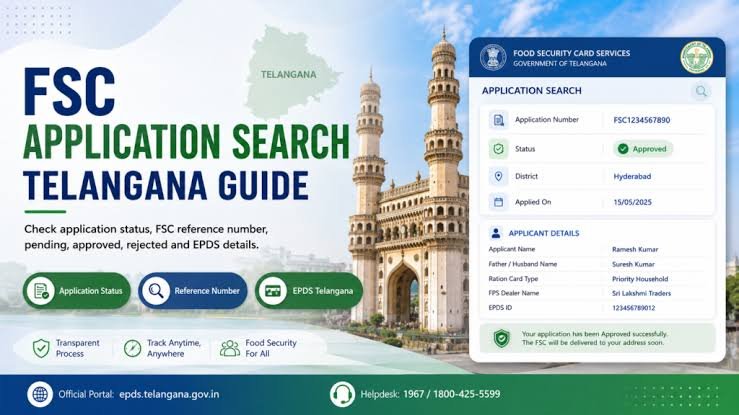
FSC Application Search: The Ultimate Step-by-Step Guide
If you’ve been searching for reliable information about FSC application search, you’re not alone. Thousands of students, professionals, and applicants need a clear way to locate their applications, verify submission details, check application status, and avoid unnecessary delays.
Unfortunately, many online guides only explain half of the process. They either focus on submitting an application or briefly mention tracking, leaving users confused when they need to search for an existing FSC application.
This complete guide explains everything you need to know about FSC application search—from understanding what it means to finding your application quickly, checking its progress, troubleshooting common problems, and protecting your personal information throughout the process.
Whether you’re applying for educational certificates, financial support, scholarships, licensing, or another FSC-related service, this guide will help you navigate the process with confidence.
What Is FSC Application Search?
An FSC application search is the process of locating an existing FSC application using information such as:
- Application ID
- Registration number
- Email address
- Mobile number
- National ID (where permitted)
- Student ID
- Reference number
The search feature allows applicants to:
- Confirm their application was submitted
- Track processing progress
- Update available information
- Download receipts or confirmation letters
- Check approval status
- Verify application history
Instead of contacting customer support, most applicants can use the search system to find their application within minutes.
Why FSC Application Search Matters
Searching for your application isn’t just about convenience.
It helps ensure your application is progressing normally while reducing delays caused by missing documents or incorrect information.
Some of the biggest benefits include:
- Instant application verification
- Status tracking
- Error detection
- Faster communication
- Reduced paperwork
- Better transparency
- Improved record keeping
For organizations, searchable applications also improve efficiency and reduce administrative workloads.
How FSC Application Search Works
Although different organizations may have slightly different systems, the process generally follows the same workflow.
Step 1: Submit the Application
Complete the application form and upload any required documents.
Step 2: Receive Confirmation
You’ll typically receive:
- Application number
- Confirmation email
- SMS notification
- Reference ID
Keep these details safe.
Step 3: Access the Search Portal
Visit the official FSC application portal and open the Application Search section.
Step 4: Enter Your Information
Most systems request one or more of the following:
- Application number
- Registered email
- Phone number
- Registration ID
- Captcha verification
Step 5: View Your Results
The system displays available information, including:
- Submission date
- Current processing stage
- Pending actions
- Document verification
- Final decision
Information Required for FSC Application Search
Before searching, gather the following information.
Essential Details
- Application ID
- Full name
- Email address
- Mobile number
- Registration number
Supporting Information
- Date of application
- Student ID
- Reference code
- Verification documents
Having accurate information dramatically improves search success.
Common Reasons People Use FSC Application Search
Applicants search for their applications for many reasons.
Checking Approval Status
The most common reason is confirming whether the application has been:
- Received
- Under review
- Approved
- Rejected
- Returned for corrections
Recovering Lost Application Numbers
Many systems allow users to recover application details using their registered email or phone number.
Printing Confirmation
Applicants often need printable proof for:
- College admissions
- Interviews
- Scholarships
- Financial assistance
- Official records
Correcting Errors
Some portals allow limited edits before processing begins.
Common Application Status Messages Explained
During an FSC application search, you may encounter several different status updates.
Submitted
Your application has been received successfully.
Pending Verification
Documents are being reviewed.
Under Review
Officials are evaluating your application.
Additional Information Required
You must upload missing documents or provide corrections.
Approved
Congratulations!
Your application has completed the review successfully.
Rejected
The application did not meet one or more eligibility requirements.
Completed
The process has been finalized.
Common Problems During FSC Application Search
Sometimes the search system doesn’t return expected results.
Here are the most common issues.
Incorrect Application Number
Even a single incorrect digit can prevent successful searches.
Always double-check your reference number.
Wrong Email Address
Use the same email address entered during registration.
Typographical Errors
Incorrect spelling of names or identification numbers frequently causes failed searches.
Processing Delay
Some applications appear only after administrative verification.
Waiting 24–72 hours often resolves the issue.
Server Maintenance
High-traffic periods may temporarily affect search availability.
Tips for Successful FSC Application Search
Improve your chances of finding your application quickly by following these best practices.
Save Every Confirmation
Store:
- Emails
- SMS messages
- Application numbers
- PDF confirmations
Use Official Information
Always search using the exact information submitted with your application.
Check Spam Folder
Many confirmation emails end up in spam or junk folders.
Keep Documents Organized
Create a dedicated folder for:
- Application copies
- Identification documents
- Certificates
- Receipts
Search During Off-Peak Hours
Busy servers can slow response times.
Searching early in the morning often provides faster access.
Security Tips for FSC Application Search
Application systems often contain sensitive personal information.
Protect yourself by following these guidelines.
Never Share Your Password
No legitimate organization will ask for your password.
Use Secure Networks
Avoid public Wi-Fi when accessing your application.
Verify Official Websites
Always ensure you’re using the official application portal.
Log Out After Searching
Especially when using shared computers.
Protect Your Documents
Avoid uploading unnecessary personal files.
Benefits of Online FSC Application Search
Modern online search systems offer significant advantages over traditional manual processes.
Faster Results
Most searches take less than one minute.
Better Transparency
Applicants can monitor progress in real time.
Reduced Administrative Delays
Digital systems eliminate much of the paperwork.
Improved Accuracy
Electronic records reduce human error.
Easy Document Access
Applicants can download confirmations whenever needed.
Best Practices Before Submitting an FSC Application
A successful search starts with a successful application.
Before submitting:
- Read eligibility requirements carefully.
- Upload clear documents.
- Verify personal information.
- Check spelling.
- Confirm contact details.
- Save confirmation receipts.
- Record your application number.
Taking these simple precautions prevents many future problems.
Future of FSC Application Search
Application tracking continues to improve through digital innovation.
Emerging technologies include:
- AI-assisted verification
- Real-time processing updates
- Automated notifications
- Digital document validation
- Mobile application tracking
- Cloud-based record management
- Enhanced cybersecurity
- Biometric verification
These improvements aim to make the entire application experience faster, safer, and more user-friendly.
Expert Tips for Faster Application Tracking
Experienced applicants follow a few habits that consistently reduce delays.
Keep multiple copies of your application details.
Monitor email regularly for requests from the issuing authority.
Respond quickly if additional documents are requested.
Review status weekly instead of checking repeatedly throughout the day.
Contact official support only after allowing sufficient processing time.
These simple practices save time and reduce unnecessary stress.
Conclusion
An effective FSC application search helps applicants stay informed throughout every stage of the application process. Whether you’re confirming submission, checking approval status, recovering a lost application number, or downloading official records, understanding how the search system works can save both time and frustration.
The key to success is simple: keep accurate records, use official portals, safeguard your personal information, and monitor your application periodically. By following the best practices outlined in this guide, you’ll be well prepared to navigate any FSC application process confidently and efficiently.
Frequently Asked Questions (FAQs)
1. What is FSC application search?
FSC application search is the process of locating and tracking an existing FSC application using details such as an application number, email address, registration number, or reference ID.
2. What information do I need for FSC application search?
Most systems require your application ID, registered email, phone number, registration number, or another unique identifier provided during submission.
3. Why can’t I find my FSC application?
Common reasons include entering incorrect details, recent submission delays, server maintenance, or using information that doesn’t match your original application.
4. Can I update my application after searching?
Some FSC portals allow limited updates before the review process begins. Once processing has started, changes may require contacting official support.
5. Is FSC application search secure?
Yes, provided you use the official application portal, avoid sharing login credentials, use secure internet connections, and protect your personal documents.


Why Small Businesses Around Charleston Keep Choosing Chucktown Websites

DeAnna Dobosz: Career, Leadership Journey, Professional Achievements, and Business Impact

Can Anyone Do a Bro Split? Who It Works For, Who Should Skip It, and How to Make It Effective
-

 Fashion9 years ago
These ’90s fashion trends are making a comeback in 2017
-
Entertainment9 years ago
The final 6 ‘Game of Thrones’ episodes might feel like a full season
-
Fashion9 years ago
According to Dior Couture, this taboo fashion accessory is back
-
Entertainment9 years ago
The old and New Edition cast comes together to perform
-
Sports9 years ago
Phillies’ Aaron Altherr makes mind-boggling barehanded play
-
Business9 years ago
Uber and Lyft are finally available in all of New York State
-
Entertainment9 years ago
Disney’s live-action Aladdin finally finds its stars
-
Sports9 years ago
Steph Curry finally got the contract he deserves from the Warriors