
Business
Why Your PA School Personal Statement Needs More Than a Good Story


Every year, thousands of hopeful pre-PA students submit applications to physician assistant programs across the country. Their GPAs are strong. Their patient care hours are logged. Their letters of recommendation are sealed and sent. And yet, a significant number of them receive rejections — not because they lack the credentials, but because their personal statement failed to do its job.
The personal statement is the one place in a PA school application where numbers step aside and the real you steps forward. Admissions committees read it to answer a single, pressing question: Why does this person truly belong in our program? If your answer does not land with clarity, conviction, and clinical self-awareness, even a polished academic record may not be enough to carry you through.
The Weight a Personal Statement Actually Carries
PA programs are rigorous, and the people who build them have seen every variety of applicant. They know what a 3.7 GPA looks like. They can count healthcare hours. What they cannot measure from a transcript alone is whether you understand the PA profession deeply, whether you communicate under pressure, and whether you have the kind of reflective mindset that good patient care demands.
Your personal statement answers those questions before you ever walk into an interview room.
A weak statement — one that reads like a resume summary or wanders through vague memories of volunteering — signals something troubling to a committee. It suggests the applicant may not yet understand what it means to practice medicine as a physician assistant, or may lack the communication skills to eventually explain diagnoses to patients. Neither impression is one you want to leave.
A strong statement, by contrast, accomplishes several things at once. It tells a cohesive story about your path to the PA profession. It demonstrates clinical awareness. It connects your past experiences to your future goals in a way that feels earned rather than rehearsed. And it does all of this in roughly 5,000 characters — a constraint that demands precision at every sentence.
Why Most Pre-PA Students Struggle to Write Their Own
There is a particular challenge that comes with writing about yourself for an academic audience: you are too close to your own story. You know every detail of every experience, and that familiarity can make it genuinely difficult to see which moments carry weight and which ones are just noise.
Pre-PA students often fall into a few common traps. Some write chronologically, listing experiences like bullet points dressed in paragraph form. Others rely heavily on dramatic moments — the patient who changed everything, the shadowing experience that confirmed their calling — without grounding those moments in reflection. Still others write what they think admissions committees want to hear rather than what is actually true about their path.
There is also the matter of structure. A strong personal statement has an internal architecture: an opening that creates real engagement, a middle section that develops your themes with specificity, and a close that leaves the reader with a clear picture of who you are and where you are headed. Building that architecture is a craft, and like most crafts, it improves dramatically with skilled feedback.
What Certified PA Editors Bring to the Table
Working with an editor is not the same as asking a friend to proofread. A friend can tell you if something sounds awkward. A certified editor with a background in physician assistant medicine can tell you whether you actually understand the PA profession — and whether your statement shows it.
At My PA Resource, every editor is a certified physician assistant with more than a decade of professional experience. They have sat across from patients. They have worked in clinical settings where communication determines outcomes. And they have spent years in a profession where the distinction between what PAs do and what other providers do genuinely matters.
That experience shapes the kind of feedback they give. When a pre-PA student writes that they want to be a PA because they want to “help people,” an experienced PA editor knows exactly why that phrase falls flat — and more importantly, knows how to guide the student toward language that actually reflects what PA practice involves. When a statement buries the strongest moment three paragraphs in, a seasoned editor can spot the structural problem and explain why the opening needs that material instead.
This is not generic writing coaching. It is targeted, profession-specific guidance from people who understand the landscape you are trying to enter.
The Difference Between Editing and Rewriting
One concern some applicants have about working with an editor is authenticity. Will the statement still sound like me? Will admissions committees be able to tell it was edited?
These concerns are understandable, and they reflect a real distinction that matters: editing is not the same as rewriting.
Good editing preserves your voice while strengthening your structure, sharpening your language, and eliminating the habits that weaken your writing without you realizing it. The experiences in your statement remain yours. The reflection remains yours. The goals remain yours. What changes is how clearly and effectively all of that comes through on the page.
My PA Resource is built around this distinction. The goal is never to produce a statement that sounds like someone else wrote it — it is to help you produce the best version of your own statement. That means preserving the details that make your path specific to you, while guiding you toward the precision and depth that PA programs are actually looking for.
Why Specialization Matters
There is no shortage of personal statement editing services available to applicants today. General writing tutors, academic editing platforms, and AI-generated feedback tools are everywhere. Most of them can improve sentence-level clarity. Very few of them can tell you whether your statement reflects a genuine understanding of physician assistant medicine.
The PA school application process has its own conventions, its own expectations, and its own culture. Admissions committees at PA programs are specifically evaluating whether applicants understand what they are getting into — the scope of practice, the collaborative nature of the PA-physician relationship, the realities of working across specialties. A statement that reads like it could have been written for a medical school application, or for any health professions program, misses the mark.
My PA Resource exists specifically for this space. The focus is singular: helping pre-PA students present themselves with the clarity and credibility that PA school applications require. That narrowed focus is not a limitation — it is an advantage. The editors are not dividing their attention between nursing school essays and MBA applications. They are entirely focused on the PA world, which means their feedback is sharper and more relevant than anything a generalist service can offer.
Making the Most of the Application Cycle
The CASPA application cycle opens once a year. There is no second window, no quick resubmission if you realize the statement was not what it needed to be. That single deadline means the preparation you do before submitting carries real consequences.
Starting early gives you time to work through multiple drafts. It gives you time to sit with feedback, revise thoughtfully, and return to your statement with fresh eyes. It gives you the space to move past the version that is technically competent toward the version that is genuinely compelling.
If you are in the early stages of preparing your application, building a strong personal statement into your timeline from the beginning is one of the most practical decisions you can make. And if you are closer to the deadline and realize your current draft is not where it needs to be, working with an editor who understands PA programs specifically may be the most efficient path to a statement that actually represents you well.
A Resource Built for Pre-PA Students
My PA Resource was created with a clear purpose: to give pre-PA applicants access to the kind of specialized, experienced editorial support that can make a real difference in how their applications are received. The editors are not generalists. They are certified PAs who have spent more than a decade in the profession and understand what PA programs are evaluating.
For applicants who want their personal statement to reflect not just their experiences, but their genuine readiness for PA school, that kind of focused, profession-specific support is worth seeking out.
Your application tells admissions committees where you have been. Your personal statement tells them who you are and why this path is right for you. Getting that statement right is one of the most important things you can do before you submit.

Fawn Weaver’s net worth has attracted significant attention because she transformed a historical discovery into one of America’s best-known Black-founded whiskey businesses. The entrepreneur, author, and investor built her fortune through Uncle Nearest Premium Whiskey, real estate investments, and other business ventures.
Forbes estimated Fawn Weaver’s net worth at $480 million in 2024, placing her among America’s wealthiest self-made women at that time. The estimate was based largely on her ownership stake in Uncle Nearest, which Forbes valued at approximately $1.1 billion. However, that figure should not be treated as her confirmed net worth in 2026. The company subsequently faced serious debt problems, litigation, and court-ordered receivership proceedings.
As a result, Fawn Weaver’s current net worth is not reliably established by publicly available information. Her actual wealth depends on the value of her business interests, real estate, other assets, and financial obligations. The distinction between a company’s valuation and its owner’s personal wealth is particularly important in her case.
Readers can review the original reporting in Forbes’ profile of Fawn Weaver and its 2025 investigation into Uncle Nearest’s financial difficulties.
Fawn Weaver Net Worth: Estimated Wealth Versus Confirmed Facts
When researching Fawn Weaver’s net worth, it helps to distinguish between historical estimates, business valuations, and verified personal financial information.
| Financial detail | Reported information |
|---|---|
| Historical net worth estimate | $480 million in 2024, according to Forbes |
| Uncle Nearest valuation | Approximately $1.1 billion in 2024, according to Forbes |
| Ownership stake reported in 2024 | Approximately 40% |
| Major financial challenge | More than $100 million in reported loan obligations and subsequent legal proceedings |
| Confirmed net worth for 2026 | Not publicly established |
These figures describe different aspects of her finances and should not be confused with one another.
A business valuation estimates what a company may be worth under particular assumptions. An individual’s net worth, by contrast, generally represents the value of their assets minus their liabilities. Even if someone owns a substantial share of a valuable company, debt, legal expenses, and changes in market conditions can affect the value of that ownership.
The $480 million estimate is therefore a historical benchmark rather than a verified statement of Weaver’s current financial position.
How Did Fawn Weaver Build Her Fortune?
Fawn Weaver developed her career through entrepreneurship, investment, real estate, and writing before becoming widely recognized in the American whiskey industry.
Her business approach centers on identifying opportunities that combine commercial potential with a compelling story. Instead of creating a conventional whiskey brand based solely on taste or packaging, she built a company around an important figure in American distilling history.
That combination helped Uncle Nearest stand out in a competitive market. It also gave the business a recognizable identity that could support marketing, tourism, product development, and community engagement.
1. Uncle Nearest Premium Whiskey
Uncle Nearest Premium Whiskey is the most significant business associated with Fawn Weaver’s fortune. The company was established to honor Nathan “Nearest” Green, a formerly enslaved Black distiller whose role in the history of Tennessee whiskey has received growing recognition.
Green is widely associated with teaching Jack Daniel techniques used in whiskey production. His historical contribution became the foundation for the brand’s identity and its wider mission to recognize an overlooked part of American business history.
The brand entered the market in 2017 and grew rapidly. Its products gained industry recognition, while the company developed a distillery and visitor experience in Tennessee.
For Weaver, this was more than a product launch. She was building a business with several potential revenue streams, including bottled spirits, direct sales to visitors, tourism, and related experiences.
Forbes reported in 2024 that Uncle Nearest was valued at approximately $1.1 billion. That valuation was a major factor behind the reported $480 million estimate of Fawn Weaver’s net worth.
However, rapid growth does not guarantee financial stability. A company must also manage production costs, inventory, distribution, interest payments, and cash flow. These issues became central to Uncle Nearest’s later financial difficulties.
2. Real Estate Investments
Real estate has also played an important role in Weaver’s business background.
Before building Uncle Nearest into a major whiskey brand, she and her husband, Keith Weaver, invested in real estate and other ventures. Their property interests became part of the wider financial picture surrounding the company.
Forbes reported in 2024 that the couple owned significant acreage in Tennessee and had acquired additional property connected to their business ambitions. The company’s distillery site also helped turn the brand into a destination for visitors.
Real estate can contribute to wealth in several ways:
- Property appreciation: Land and buildings may increase in value over time.
- Business operations: Commercial property can support production, offices, and visitor facilities.
- Tourism potential: Distillery properties can generate activity beyond ordinary retail sales.
- Long-term investment value: Property may retain value independently of a company’s brand reputation.
Nevertheless, property ownership does not automatically translate into readily available cash. Mortgages, secured loans, maintenance expenses, and legal claims can affect the equity an owner actually holds.
That distinction matters when assessing Fawn Weaver’s net worth after Uncle Nearest’s financial difficulties.
3. Writing and Publishing
Weaver is also an author, and writing formed part of her professional identity before and alongside her work in whiskey.
Her books and public appearances demonstrate how storytelling has remained central to her career. The ability to communicate a clear narrative can be valuable for entrepreneurs who need to attract customers, build partnerships, and explain why their businesses deserve attention.
Book sales, speaking engagements, and related professional activities can contribute to an entrepreneur’s income. However, publicly available information does not establish exactly how much Weaver has personally earned from these activities.
It would therefore be misleading to assign a specific dollar amount to her publishing income without reliable financial documentation.
Why Was Uncle Nearest Valued at $1.1 Billion?
A major reason Fawn Weaver’s wealth received so much attention was the reported valuation of Uncle Nearest.
In 2024, Forbes described the company as a whiskey business worth approximately $1.1 billion. The publication discussed the brand’s growth, revenue prospects, ownership structure, and position in the American spirits industry.
Several factors helped explain the company’s appeal.
A Distinctive Brand Story
Many whiskey companies compete on age, production methods, flavor profiles, and heritage. Uncle Nearest added a compelling historical mission by honoring Nathan “Nearest” Green.
That identity gave the brand a recognizable point of difference in a crowded market. It also created opportunities for educational content, tourism, and conversations about the history of American whiskey.
Consumer Demand and Distribution
A spirits business needs more than an interesting story to succeed. It must produce quality products, reach retailers, maintain distribution relationships, and persuade customers to buy repeatedly.
Uncle Nearest expanded its product presence and developed a visitor destination in Tennessee. Direct sales to distillery visitors can also have different profit margins from sales through wholesalers and retailers.
Ownership and Investment Strategy
Weaver’s approach to financing also attracted attention. Forbes reported that she favored individual investors over traditional venture capital and private equity, with a structure intended to preserve substantial founder control.
This strategy offered a potential advantage: she could raise capital while limiting the influence of large institutional investors.
However, retaining control does not eliminate financial risk. A founder can maintain voting power while the company still carries substantial debt or faces pressure from creditors.
The broader lesson is that a billion-dollar valuation reflects an assessment of a business under particular conditions. It does not guarantee that the company can meet its financial obligations or that its founder can sell their ownership stake at the estimated price.
What Happened to Fawn Weaver’s Net Worth After the Debt Crisis?
Any current discussion of Fawn Weaver’s net worth must address the financial challenges that emerged after the company’s rapid growth.
In August 2025, Forbes reported that Uncle Nearest had defaulted on more than $100 million in loans and that a federal judge had placed the company under receivership. The proceedings threatened Weaver’s control of the business and raised questions about its financial condition.
A receivership is a legal arrangement in which a court-appointed receiver oversees a business or its assets under the terms of the court’s order. It does not, by itself, establish the final value of a founder’s personal wealth.
In February 2026, the Lexington Herald-Leader reported that Weaver disputed claims of insolvency and asserted in court filings that the whiskey business was worth at least $600 million. The lender and receiver presented a different picture of the company’s financial condition.
These competing positions are important. A founder’s valuation claims, a lender’s allegations, and a receiver’s assessment are not interchangeable. The outcome of legal proceedings and the treatment of secured debt can materially affect the amount of equity remaining in a business.
Readers can examine the reporting here:
- Forbes: Uncle Nearest’s loan default and receivership
- Lexington Herald-Leader: Weaver’s February 2026 response to insolvency claims
These reports show why it is no longer responsible to repeat the 2024 net worth estimate as though it were a confirmed 2026 figure.
Does Company Debt Mean Weaver Has Lost Her Entire Fortune?
No. Company debt does not automatically mean a founder has lost every personal asset or that their net worth has fallen to zero.
The actual financial impact depends on several factors, including:
- The value of the founder’s remaining ownership interest.
- Whether personal assets are separate from company assets.
- The terms of any personal guarantees or secured borrowing.
- The value of real estate and other investments.
- The outcome of litigation and restructuring efforts.
- The amount creditors ultimately recover.
A company’s debt may substantially reduce the equity value available to its shareholders. However, determining the effect on one person’s net worth requires information about that person’s full financial position.
Without complete, reliable information, assigning Weaver a new exact net worth for 2026 would be speculation.
Fawn Weaver’s Business Strategy: What Entrepreneurs Can Learn
Fawn Weaver’s career provides useful lessons for entrepreneurs, even when financial results become uncertain.
Build a Business Around a Clear Purpose
Uncle Nearest was built around the story of Nathan Green and the recognition of his contribution to whiskey history. That mission gave customers and partners a reason to remember the company.
A clear purpose cannot replace product quality or financial discipline, but it can help a business develop a distinct identity.
Protect Ownership While Understanding Risk
Weaver’s preference for individual investors attracted attention because it was designed to preserve founder control.
Entrepreneurs should understand that equity financing and debt financing create different obligations. Equity investors generally receive an ownership interest, while lenders expect repayment under agreed terms. Neither structure is automatically better in every situation.
The right choice depends on cash flow, business maturity, growth plans, and the founder’s tolerance for risk.
Growth Must Be Supported by Cash Flow
A business can report increasing sales and still face financial trouble if expenses and debt repayments exceed available cash.
Inventory-intensive industries such as spirits production can be especially demanding because products may require substantial time, storage, distribution, and working capital before the business receives payment.
A strong growth strategy should therefore include realistic cash-flow forecasts, debt monitoring, and contingency planning.
Separate Brand Value From Financial Health
A respected brand can attract customers and investors, but brand recognition is only one component of a company’s financial condition.
Businesses also need reliable accounting, manageable borrowing, sustainable margins, and effective risk controls.
This lesson is particularly relevant to the discussion of Fawn Weaver’s net worth because Uncle Nearest’s historical valuation and its later financial challenges tell different parts of the story.
What Could Influence Fawn Weaver’s Net Worth in the Future?
Fawn Weaver’s future financial position will depend on how her business and personal assets are affected by the ongoing financial situation.
Several factors are worth watching.
The outcome of legal proceedings: Court decisions may determine how the company is managed, how assets are handled, and what options remain available to its stakeholders.
The value of the whiskey business: A credible valuation would need to account for revenue, profitability, inventory, property, liabilities, and the company’s ability to operate sustainably.
Creditor recoveries and restructuring: The amount of debt repaid, renegotiated, or otherwise resolved can affect the equity value left for shareholders.
Real estate and other holdings: Property and investments may contribute to Weaver’s personal wealth, although their net value depends on ownership, financing, and other obligations.
Future business ventures: New investments, publishing projects, or entrepreneurial activities could influence her income over time, but their financial contribution should not be assumed without evidence.
Until more reliable information becomes available, the most accurate approach is to distinguish documented events from predictions about her future fortune.
Frequently Asked Questions About Fawn Weaver Net Worth
1. What is Fawn Weaver’s net worth in 2026?
Fawn Weaver’s exact net worth in 2026 has not been reliably established in public sources. Forbes estimated her wealth at $480 million in 2024, largely based on her ownership stake in Uncle Nearest. Subsequent debt and receivership proceedings mean that historical estimate should not be treated as her current confirmed wealth.
2. How did Fawn Weaver make her money?
Weaver built her business profile through entrepreneurship, real estate investments, writing, and the founding of Uncle Nearest Premium Whiskey. The whiskey company became the main driver of public estimates of her wealth after its reported $1.1 billion valuation in 2024.
3. Does Fawn Weaver own Uncle Nearest Whiskey?
Weaver founded Uncle Nearest and was reported by Forbes to hold approximately 40% of the company in 2024, with substantial voting control alongside her husband. However, court-ordered receivership proceedings beginning in 2025 complicated the company’s management and control. Her current ownership and control should not be assumed without checking the latest legal and corporate records.
4. Why did Fawn Weaver’s fortune become uncertain?
Her reported wealth was closely linked to Uncle Nearest’s valuation. The company later faced major loan defaults, creditor disputes, and receivership proceedings. These developments raised questions about the value of its equity and the financial position of its founder, making the 2024 estimate an unreliable indicator of her current net worth.
5. Is Fawn Weaver a billionaire?
The 2024 valuation of Uncle Nearest at approximately $1.1 billion did not mean Weaver personally had a net worth of $1 billion. Forbes estimated her personal wealth at $480 million that year. Her current net worth has not been reliably confirmed, so describing her as a personal billionaire would not be supported by that historical estimate.
Conclusion: The Real Story Behind Fawn Weaver’s Net Worth
Fawn Weaver’s financial story illustrates both the potential and the risks of building a business around a powerful brand. Through Uncle Nearest Premium Whiskey, she helped bring greater recognition to Nathan “Nearest” Green and developed a company that attracted national attention for its growth and historical mission.
Forbes’ 2024 estimate placed her net worth at $480 million, based largely on the whiskey company’s reported $1.1 billion valuation. But the later debt crisis and receivership proceedings changed the context in which that number should be understood.
The most accurate conclusion is that Fawn Weaver’s net worth in 2026 remains uncertain. Her historical estimate is documented, but a reliable current figure would require a clearer picture of her ownership, assets, liabilities, and the outcome of the company’s financial proceedings.
For readers researching her wealth, the best approach is to prioritize reputable financial reporting and court developments over websites that publish precise numbers without explaining their sources. This gives a more complete picture of her business career and avoids confusing a company’s headline valuation with an individual’s actual net worth.
Business
Safra Catz and Diane von Furstenberg: Careers, Leadership, Business Success, and Lasting Influence

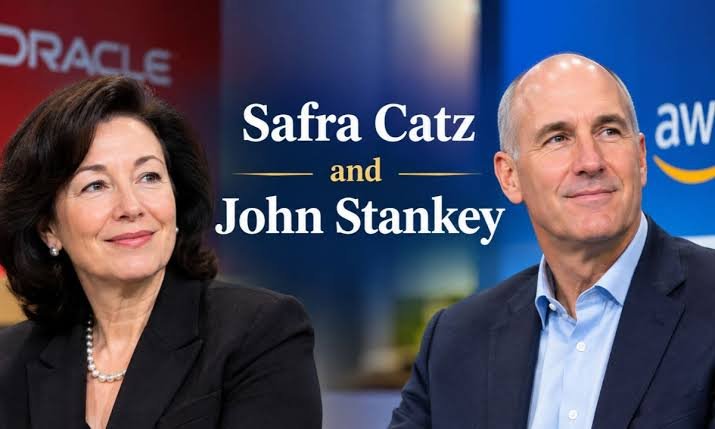
Safra Catz and Diane von Furstenberg have built influential careers in two very different industries. Safra Catz is known for her leadership in enterprise technology and her long association with Oracle, while Diane von Furstenberg is internationally recognized as a fashion designer, entrepreneur, and founder of a celebrated fashion brand.
Although their professional paths differ, Safra Catz and Diane von Furstenberg share an important connection through entrepreneurship, strategic thinking, and the ability to build lasting business influence. One helped lead a major technology company through complex financial and industry changes. The other transformed a distinctive fashion concept into a globally recognized business and cultural brand.
Their stories offer valuable lessons for aspiring entrepreneurs, executives, fashion professionals, and anyone interested in how women have shaped modern business.
Understanding Safra Catz and Diane von Furstenberg also requires looking beyond headlines and professional titles. Their achievements developed through different experiences, industries, and business models. Examining those differences helps explain what leadership looks like when success depends on everything from corporate strategy and financial discipline to creative identity and customer loyalty.
This article explores their backgrounds, careers, business strategies, leadership philosophies, and professional legacies, while examining whether their names are connected by any documented business relationship.
1. Who Is Safra Catz? Understanding Her Career in Technology and Business
Safra Catz
Technology executive and corporate strategist
Safra Catz is a longtime Oracle executive who served as its CEO from September 2014 until September 2025. She is now the company’s executive vice chair of the board.
Safra Catz was born in Israel and moved to the United States as a child. She studied at the University of Pennsylvania and earned a law degree from the University of Pennsylvania Carey Law School. Before joining Oracle, she worked in investment banking at Donaldson, Lufkin & Jenrette, where she developed experience in financial transactions, corporate strategy, and deal-making.
She joined Oracle in 1999 and gradually took on senior leadership responsibilities. Her work involved financial management, business operations, acquisitions, and corporate strategy. She became president in 2004 and served as chief financial officer during several periods before becoming co-CEO in 2014 and then sole CEO later that year.
Her career illustrates how financial expertise can become a foundation for broader executive leadership. Understanding contracts, valuations, operating costs, and capital allocation can be particularly valuable when a technology company must invest in new products while maintaining profitability.
How Safra Catz Helped Shape Oracle’s Business Strategy
Oracle is a major enterprise technology company whose products support databases, business applications, cloud infrastructure, and organizational operations.
Catz’s executive responsibilities included overseeing much of Oracle’s business operations, apart from product development and engineering. Her background in finance and corporate transactions was relevant to the company’s expansion strategy and its management of complex business relationships.
Three areas help explain her professional influence.
Corporate acquisitions: Oracle has used acquisitions to expand its software portfolio, customer relationships, and enterprise capabilities. Acquisitions require more than purchasing another company; executives must consider integration costs, customer retention, product compatibility, and long-term financial returns.
Financial discipline: Large technology companies must decide how to distribute resources between infrastructure, research, acquisitions, and shareholder priorities. Financial leadership helps ensure that strategic ambitions are supported by realistic budgets and business plans.
Enterprise relationships: Large organizations often depend on software systems that are difficult and expensive to replace. Maintaining customer trust, service quality, and long-term commercial relationships is therefore a major component of enterprise technology strategy.
These responsibilities illustrate why executive leadership in technology is not simply about understanding software. It also involves managing people, capital, customer expectations, and business risks.
What Changed for Safra Catz in 2025?
An important detail for anyone researching Safra Catz is that she is no longer Oracle’s CEO.
On September 22, 2025, Oracle announced that Clay Magouyrk and Mike Sicilia would become co-CEOs, while Catz would become executive vice chair of the board. The change marked a significant leadership transition after more than a decade of her service as CEO.
Her current position keeps her connected to Oracle’s board-level leadership, but it should not be confused with the company’s day-to-day CEO role.
This transition also provides a useful business lesson: succession planning is an important part of corporate governance. A company needs to transfer responsibilities clearly, preserve institutional knowledge, and prepare new leaders to guide its future strategy.
2. Who Is Diane von Furstenberg? Understanding Her Fashion Empire
Diane von Furstenberg
Fashion designer, entrepreneur, author, and philanthropist
Diane von Furstenberg founded her fashion label in 1972 and became internationally known for introducing the wrap dress in 1974. Her work has connected practical clothing, personal identity, and women’s independence.
Born Diane Halfin in Belgium, von Furstenberg entered the fashion world in the early 1970s. Rather than building her reputation around elaborate runway designs alone, she developed clothing that reflected the changing lifestyles of women.
Her most famous creation, the wrap dress, became a defining garment of the decade. Its practical construction, comfortable jersey fabric, and distinctive prints made it suitable for different occasions, including work and social events. By 1976, she had sold more than one million dresses, according to her official biography.
The success of the design was not just a fashion story. It also reflected a wider shift in how many women approached professional life, independence, and personal presentation.
How Diane von Furstenberg Built a Recognizable Brand
A successful fashion label needs more than attractive products. It needs a recognizable identity that customers can understand and remember.
Von Furstenberg built her brand around several distinctive elements:
-
A signature product: The wrap dress gave consumers an easily recognizable design associated with her name.
-
Distinctive prints: Bold patterns and colors helped establish a visual identity.
-
Practical elegance: The clothing combined a polished appearance with comfort and ease of movement.
-
A consistent message: The brand connected fashion with confidence, independence, and women’s self-expression.
This combination helped make the designer herself an important part of the brand’s identity.
In business terms, that is a powerful form of differentiation. When customers associate a company with a specific style, purpose, or experience, it becomes easier for the brand to stand apart in a crowded market.
However, a signature product also creates a challenge. Businesses must continue evolving without losing the qualities that made customers care about them in the first place.
How Diane von Furstenberg Rebuilt Her Fashion Career
The history of the DVF brand was not a straight line of uninterrupted growth. After its rapid rise in the 1970s, the business lost momentum as the market became saturated and von Furstenberg stepped back from fashion. She later returned to the industry, reintroducing the wrap dress in 1997 and helping revive the brand.
This comeback is an important part of her entrepreneurial story.
Fashion trends change quickly. A design that feels fresh today may become less distinctive tomorrow, and even a successful label can struggle if its identity becomes disconnected from changing customer expectations.
Von Furstenberg’s return demonstrates the potential value of revisiting a proven idea while presenting it to a new generation. Rather than relying only on nostalgia, a brand must make its original appeal relevant to contemporary customers.
The broader lesson for entrepreneurs is that a business setback does not automatically erase the value of a brand, skill, or original idea. Recovery, however, usually requires adapting to new market conditions rather than simply repeating the past.
3. Safra Catz and Diane von Furstenberg: Comparing Their Leadership Styles
The most useful comparison between Safra Catz and Diane von Furstenberg is not that they work in similar industries. They do not. It is that each built professional influence by understanding what her business needed to do well.
Catz’s work has centered on corporate operations, financial strategy, and enterprise technology. Von Furstenberg’s career has centered on creative identity, product design, consumer recognition, and brand development.
Their approaches can be compared across four dimensions.
| Business dimension | Safra Catz | Diane von Furstenberg |
|---|---|---|
| Primary industry | Enterprise technology | Fashion and lifestyle |
| Core business focus | Corporate strategy and operations | Design and brand identity |
| Key source of differentiation | Enterprise capabilities and business execution | Signature design and recognizable style |
| Long-term challenge | Technology competition and strategic investment | Changing fashion trends and customer preferences |
Financial Discipline Versus Creative Differentiation
Catz’s background in investment banking and corporate finance reflects the importance of financial analysis in major business decisions. Technology companies must evaluate the cost of expansion, the value of acquisitions, and the commercial potential of their products.
Von Furstenberg’s career demonstrates the value of creative differentiation. Her wrap dress was not simply another garment; it became a recognizable product with a strong relationship to the designer’s identity.
Both approaches are commercially relevant. Financial discipline can help a company avoid unsustainable decisions, while creative differentiation can give customers a reason to choose one brand over another.
The most resilient businesses often need both.
How They Approach Long-Term Business Value
In enterprise technology, long-term value may depend on customer retention, product reliability, continued innovation, and the ability to respond to changes in computing infrastructure.
In fashion, it may depend on maintaining a recognizable aesthetic, producing desirable collections, managing distribution, and keeping the brand relevant across generations.
The lesson is that a business must understand the sources of its own value before deciding how to protect them.
A technology company cannot remain competitive through financial controls alone if its products fall behind. Similarly, a fashion label cannot depend indefinitely on one successful design if it stops connecting with customers.
4. What Business Lessons Can Entrepreneurs Learn From Safra Catz and Diane von Furstenberg?
Their careers provide several practical lessons for people building companies, developing products, or pursuing leadership positions.
Lesson One: Know What Makes Your Business Different
Catz’s career is associated with managing a large enterprise technology business, while von Furstenberg established a recognizable fashion identity around a signature product.
Entrepreneurs should be able to answer one basic question: Why should customers choose this business instead of another?
A useful answer should be specific. It might involve better service, a distinctive product, specialist expertise, greater convenience, or a trusted customer experience.
If the answer is vague, the business may struggle to communicate its value.
Lesson Two: Develop Skills Beyond Your Main Specialty
Catz’s progression from investment banking into senior technology leadership shows how financial and strategic skills can support executive responsibilities. Von Furstenberg’s career shows how design can be connected to branding, commercial distribution, publishing, and philanthropy.
For a small business owner, this means learning the basics of marketing, cash flow, customer research, and operations even if the original business idea is based on a specialized skill.
A great product is important, but it must also be priced correctly, delivered reliably, and communicated effectively.
Lesson Three: Adapt Without Losing Your Identity
The fashion industry provides a clear example of why adaptation matters. Von Furstenberg’s return to the wrap dress illustrates how an established product can regain relevance when a business reconnects it with new customers.
Technology companies face a similar need to adapt as customer requirements, infrastructure, and competitors change.
For any business, the challenge is to identify which elements should remain consistent and which need to evolve.
A company’s values and core strengths may remain stable while its products, marketing, pricing, and delivery methods change.
Lesson Four: Treat Leadership as a Long-Term Responsibility
Catz’s transition to executive vice chair and Oracle’s appointment of new co-CEOs highlight the importance of leadership succession.
Von Furstenberg’s continuing involvement in fashion and philanthropy illustrates another way professional influence can extend beyond a single product launch or period of commercial success.
For entrepreneurs, building a sustainable organization means developing people and processes that can continue operating effectively as responsibilities change.
Lesson Five: Build Trust Through Consistency
Trust is important in both technology and fashion, although customers experience it differently.
An enterprise customer needs confidence that its technology provider can deliver dependable services and support. A fashion customer may value product quality, recognizable design, and a consistent brand experience.
Businesses strengthen trust by delivering what they promise, acknowledging mistakes, and improving when customer needs change.
5. Are Safra Catz and Diane von Furstenberg Connected?
People searching for Safra Catz and Diane von Furstenberg together may be looking for a shared business venture, family relationship, or professional association.
Their documented careers, however, are rooted in separate professional worlds. Catz is associated with Oracle’s corporate leadership, while von Furstenberg is associated with her fashion label, design work, and philanthropic initiatives.
There is no established evidence in the sources cited here that they are relatives, business partners, or direct collaborators.
Their names may appear together in discussions of influential women, business leadership, entrepreneurship, or professional achievement. Those shared themes do not, by themselves, establish a personal or commercial connection.
For accurate research, it is useful to distinguish three things:
-
A shared topic: Two people may both be discussed in articles about successful women in business.
-
An institutional connection: Two people may serve on the same board, invest in the same company, or participate in a documented project.
-
A personal relationship: A family relationship or personal association requires its own supporting evidence.
Keeping these categories separate helps prevent misleading claims from becoming part of an article’s central narrative.
Frequently Asked Questions About Safra Catz and Diane von Furstenberg
1. Who are Safra Catz and Diane von Furstenberg?
Safra Catz is an American business executive known for her long career at Oracle, where she served as CEO from 2014 to 2025. Diane von Furstenberg is a Belgian-born American fashion designer and entrepreneur best known for founding the DVF brand and popularizing the wrap dress.
2. Are Safra Catz and Diane von Furstenberg related?
No family relationship has been established in the authoritative sources cited in this article. They are known for separate professional careers in technology and fashion, respectively.
3. What is Safra Catz doing now?
As of October 2026, Safra Catz serves as executive vice chair of Oracle’s board. She stepped down as CEO in September 2025, when Oracle appointed Clay Magouyrk and Mike Sicilia as co-CEOs.
4. What made Diane von Furstenberg famous?
Diane von Furstenberg became famous for introducing the wrap dress in 1974. The design combined practical construction, comfortable fabric, and distinctive style. Its commercial success helped establish her as an influential figure in fashion and women’s self-expression.
5. What can entrepreneurs learn from Safra Catz and Diane von Furstenberg?
Entrepreneurs can learn to combine financial discipline with a clear business identity, adapt to changing markets, develop skills beyond their core specialty, and build trust through consistent delivery. Their careers also illustrate that long-term success depends on more than one achievement: it requires continued learning, strategic decisions, and the ability to respond to new challenges.
Conclusion: What Makes Safra Catz and Diane von Furstenberg Worth Studying?
Safra Catz and Diane von Furstenberg demonstrate two different paths to professional influence. Catz built her career through financial expertise, corporate strategy, and executive leadership at a major technology company. Von Furstenberg established a recognizable fashion identity and expanded her influence into writing, philanthropy, and initiatives supporting women.
Their experiences reveal several lessons for modern business. Financial discipline helps organizations make informed decisions, creative differentiation gives customers a reason to pay attention, and adaptability helps companies remain relevant as markets change.
Their careers also show why accurate research matters. Although Safra Catz and Diane von Furstenberg are both influential women in business, their shared prominence does not establish a direct personal or professional relationship.
For aspiring entrepreneurs and business leaders, the most valuable takeaway is to understand what makes an organization distinctive, build the skills needed to sustain it, and remain willing to evolve.
Lasting business influence comes from creating value, earning trust, and continuing to adapt—not simply from holding a prominent title or achieving a single breakthrough.

Finding a reliable plumber Maple Grove MN homeowners can trust is essential when a leaking pipe, clogged drain, broken water heater, or unexpected plumbing emergency disrupts daily life. Even a small plumbing issue can become expensive if it is ignored or repaired incorrectly.
Whether you own a single-family home, manage a rental property, or have recently moved into the Maple Grove area, understanding your plumbing system can help you make informed decisions. Knowing when to call a professional, what questions to ask, and which warning signs to watch for can save time, money, and unnecessary stress.
Professional plumbing services cover much more than fixing dripping faucets. Experienced plumbers can diagnose hidden leaks, maintain drainage systems, install modern fixtures, troubleshoot water pressure problems, and help protect homes from water damage during Minnesota’s cold winters.
This guide explains the most common plumbing services, emergency warning signs, potential repair costs, preventive maintenance practices, and practical ways to select a qualified local plumbing professional.
Why Hire a Plumber in Maple Grove, MN?
Plumbing systems involve interconnected pipes, valves, drains, fixtures, and appliances. A problem in one area can affect several others, which is why an accurate diagnosis matters as much as the repair itself.
Hiring a professional plumber offers several advantages.
Accurate Diagnosis of Plumbing Problems
A slow drain might result from accumulated grease, hair, mineral deposits, or a blockage deeper in the drainage line. Similarly, low water pressure may indicate a faulty fixture, a partially closed valve, a leak, or a broader supply issue.
An experienced plumber investigates the underlying cause instead of relying on temporary fixes. This approach helps reduce repeat problems and unnecessary replacement costs.
Protection Against Water Damage
Water can damage drywall, flooring, cabinets, insulation, and personal belongings. Hidden leaks may also encourage mold growth when moisture remains trapped inside building materials.
A professional can locate the source, repair the affected plumbing, and recommend appropriate steps to dry and protect the surrounding area.
Safer Installations and Repairs
Water heaters, gas-connected appliances, sewer lines, and pressurized plumbing systems require careful handling. Incorrect installation can create leaks, equipment damage, or safety hazards.
Qualified professionals understand applicable plumbing codes, permit requirements, and installation practices. Before hiring someone, verify their credentials and confirm which permits are needed for your specific project.
Long-Term Reliability
A repair should solve the problem without creating new ones. Proper materials, suitable replacement parts, secure connections, and post-repair testing help improve the reliability of a plumbing system.
For homeowners seeking a plumber in Maple Grove, MN, these factors are particularly important when dealing with older plumbing, major renovations, or recurring drainage problems.
Common Plumbing Services Available in Maple Grove, MN
Different plumbing problems require different tools and levels of expertise. Understanding the available services makes it easier to describe your issue and request an appropriate estimate.
1. Emergency Plumbing Repairs
Plumbing emergencies can happen at any time. A burst pipe, overflowing toilet, major leak, or sewage backup may require immediate attention to limit damage.
Emergency plumbing services commonly include:
- Repairing burst or severely leaking pipes.
- Stopping uncontrolled water leaks.
- Addressing overflowing toilets and drains.
- Diagnosing serious sewer backups.
- Repairing failed shutoff valves.
- Identifying leaks around water heaters and plumbing connections.
If water is actively flooding your home, locate the main water shutoff valve if it is safe to reach. If the water is near electrical outlets, appliances, or a flooded electrical panel, stay away from the affected area and contact the appropriate emergency professionals.
When contacting an emergency plumber, explain what is happening, when it started, whether water can be shut off, and whether sewage is involved. These details help the technician assess the urgency of the situation.
2. Drain Cleaning and Clog Removal
Clogged drains are among the most common household plumbing problems. Kitchen sinks often accumulate grease, food particles, and soap residue, while bathroom drains collect hair and personal care products.
Common signs of a drainage problem include:
- Water draining more slowly than usual.
- Gurgling sounds from sinks or toilets.
- Unpleasant odors near drains.
- Water backing up into another fixture.
- Repeated clogs that return after temporary clearing.
A plumber may use mechanical drain-cleaning equipment, suitable cleaning tools, or a camera inspection to identify the blockage.
Chemical drain cleaners are not always the best solution, particularly for recurring or severe clogs. Some products can damage certain materials or create hazards when mixed with other cleaners.
If several fixtures drain slowly at the same time, the problem may involve a shared drain or sewer line rather than an individual sink.
3. Water Heater Repair and Replacement
Hot water is essential for bathing, washing dishes, laundry, and everyday cleaning. When a water heater stops working, household routines can quickly become inconvenient.
Typical water heater problems include:
- Water that does not become sufficiently hot.
- Hot water that runs out unusually quickly.
- Leaks around the tank or connections.
- Unusual popping or rumbling noises.
- Discolored hot water.
- Visible corrosion or repeated equipment failures.
A professional can inspect the thermostat, heating elements, valves, connections, and other components as appropriate for the unit.
If replacement is necessary, discuss tank capacity, household hot-water demand, energy efficiency, installation requirements, and warranty coverage. Conventional storage tanks and tankless systems offer different advantages, so the right choice depends on the home’s needs.
Never attempt to dismantle a gas water heater or work on electrical components without the necessary qualifications. If you smell gas, leave the affected area and contact the gas utility or emergency services from a safe location.
4. Leak Detection and Pipe Repair
Not every plumbing leak produces an obvious puddle. Some leaks develop behind walls, beneath floors, around fixtures, or inside cabinets.
Watch for these warning signs:
- An unexplained increase in water usage.
- Damp spots on walls or ceilings.
- Peeling paint or swollen flooring.
- Persistent musty odors.
- Water sounds when fixtures are turned off.
- Visible corrosion around pipe connections.
A plumber may use pressure testing, moisture assessment, visual inspection, or specialized leak-detection equipment to locate the source.
Once identified, the repair might involve replacing a fitting, repairing a pipe section, renewing a valve, or correcting an improperly installed connection. The extent of the work depends on the leak’s location, the pipe material, and the condition of surrounding components.
Addressing a small leak promptly can prevent more extensive repairs later.
5. Toilet, Faucet, and Fixture Repairs
A running toilet or dripping faucet may seem minor, but the wasted water can add up over time.
Common fixture services include:
- Replacing worn toilet flappers and fill valves.
- Repairing leaking faucet cartridges.
- Replacing damaged supply lines.
- Installing new toilets and sinks.
- Fixing loose or leaking shower connections.
- Replacing showerheads and other plumbing fixtures.
Before replacing an entire fixture, ask whether a smaller repair could restore proper operation. A simple internal component may be responsible for the problem.
For renovations, discuss fixture dimensions, water efficiency, compatible connections, and accessibility before purchasing replacement products.
6. Sewer Line Inspection and Repair
A damaged or blocked sewer line can affect multiple drains and create unpleasant odors or unsanitary conditions.
Potential warning signs include repeated backups, several slow drains, sewage odors, and wastewater returning through a lower-level fixture.
A sewer camera inspection can help identify blockages, damaged sections, root intrusion, or other defects without immediately excavating the yard. Depending on the findings, a plumber may recommend clearing the line, repairing a section, or replacing a damaged pipe.
Sewage backups should be treated carefully. Avoid direct contact with contaminated water and keep children and pets away until the affected area has been assessed and safely cleaned.
7. Plumbing Installation and Remodeling
Bathroom renovations, kitchen upgrades, basement finishing, and home additions may require changes to existing plumbing.
Installation services can include new supply lines, drainage connections, sinks, showers, bathtubs, toilets, and appliance hookups.
A well-planned installation considers fixture placement, drainage slopes, ventilation, water pressure, pipe sizing, and access for future maintenance.
Before construction begins, confirm whether plumbing permits and inspections are required. Coordinating plumbing work with the contractor and other trades can help prevent costly changes later.
How Minnesota Weather Can Affect Your Plumbing
Cold winter temperatures make seasonal plumbing maintenance especially important for homeowners in Maple Grove.
Prevent Frozen Pipes During Winter
Water expands as it freezes. When water freezes inside a pipe, the resulting pressure can damage the pipe or its connections.
Pipes located in unheated spaces, exterior walls, garages, crawl spaces, and other exposed areas may be particularly vulnerable.
Reduce the risk of frozen pipes by following these precautions:
- Insulate pipes in vulnerable areas.
- Seal drafts near plumbing penetrations.
- Maintain adequate indoor heating during cold weather.
- Disconnect and drain outdoor hoses before freezing conditions arrive.
- Know the location of your main water shutoff valve.
- Arrange for someone to check the home during extended winter absences.
If a pipe freezes, shut off the water if necessary and safe to do so. Never use an open flame to thaw a pipe. If you cannot safely identify the frozen section or suspect damage, contact a qualified plumber.
Check Outdoor Faucets and Seasonal Connections
Exterior faucets and irrigation connections can retain water after temperatures fall. If these components are not winterized correctly, freezing may damage internal parts or connected pipes.
Follow the manufacturer’s instructions for your outdoor faucet and irrigation system. Where appropriate, disconnect hoses and shut off and drain dedicated outdoor water lines.
Inspect Plumbing After a Hard Freeze
A pipe may develop a crack during freezing and only begin leaking when the ice melts. After unusually cold weather, inspect accessible plumbing areas for dampness, unusual sounds, or unexpected water usage.
If you discover a leak, stop the water supply when safe and arrange for the damaged section to be assessed.
When Should You Call a Plumber in Maple Grove, MN?
Not every plumbing issue requires an emergency visit, but some symptoms should never be ignored.
Call for Emergency Help When:
- A pipe has burst and water is spreading rapidly.
- A major leak cannot be controlled.
- Sewage is backing up into the home.
- Water is threatening electrical equipment.
- A serious leak is damaging ceilings, walls, or flooring.
For immediate flooding, water isolation and safety take priority over diagnosing the plumbing fault.
Schedule a Prompt Repair When:
- A toilet continues running after repeated adjustments.
- A faucet or pipe drips persistently.
- Water pressure changes unexpectedly.
- A drain repeatedly becomes blocked.
- A water heater produces inconsistent hot water.
- You notice unexplained dampness or rising water consumption.
Arrange Preventive Maintenance When:
- You are buying an older property.
- You are planning a bathroom or kitchen renovation.
- You have experienced frozen pipes.
- Your water heater is approaching the end of its expected service life.
- Your home has a history of sewer or drainage problems.
Early inspection is often less disruptive than waiting until a small defect becomes a major failure.
How Much Does a Plumber in Maple Grove, MN Cost?
Plumbing prices vary according to the type of repair, labor requirements, parts, accessibility, and urgency. The condition of the existing plumbing can also affect the final bill.
A simple faucet repair may cost considerably less than replacing a water heater or repairing a buried sewer line. Emergency visits may carry additional service charges, especially outside normal business hours.
The following table provides general illustrative budgeting ranges for common U.S. residential plumbing work. These are not verified current quotes for Maple Grove, and actual prices may differ substantially.
| Plumbing service | Illustrative cost range |
|---|---|
| Basic service call or diagnostic visit | $75–$200 |
| Minor faucet or toilet repair | $100–$350 |
| Standard drain clearing | $100–$400 |
| Accessible pipe leak repair | $150–$600 |
| Water heater replacement | $1,000–$3,500+ |
| Sewer line repair | $500–$5,000+ |
Complex installations, extensive damage, excavation, specialized equipment, and premium fixtures can increase these amounts.
What Affects Your Plumbing Bill?
Several factors determine the total cost:
- Labor time: A straightforward repair generally requires less labor than a difficult installation.
- Parts and materials: Replacement valves, pipe sections, fixtures, and appliances have different prices.
- Accessibility: Plumbing behind finished walls or beneath concrete may require additional work.
- Emergency timing: After-hours or holiday service may involve higher rates.
- Permits and inspections: Certain projects require additional administrative and inspection costs.
- Unexpected damage: A technician may discover corroded pipes or other defects during the repair.
How to Get a Clear Estimate
Before approving major work, request a written estimate that identifies the proposed repair, labor charges, materials, potential additional costs, and warranty terms.
Ask whether the diagnostic fee is separate from the repair cost and whether the estimate changes if hidden damage is discovered.
For larger projects, comparing two or three detailed estimates can help you understand the differences in scope. The lowest quote is not always the best value if it excludes necessary work or uses unsuitable materials.
How to Choose a Reliable Plumber in Maple Grove, MN
Choosing the right professional requires more than looking at the first search result. A careful evaluation can help you avoid poor workmanship, unclear pricing, and unnecessary repairs.
Verify Licensing and Insurance
Minnesota has licensing and regulatory requirements for plumbing work, with requirements depending on the work performed and the professional’s role.
Ask whether the plumber or plumbing contractor holds the appropriate credentials for your project. Confirm insurance coverage and check applicable requirements with the Minnesota Department of Labor and Industry.
Do not assume that a business is properly qualified simply because it has a website or social media page.
Read Reviews Carefully
Customer reviews can reveal useful information about punctuality, communication, professionalism, and how a company handles problems.
Look for recurring patterns across several reviews rather than relying on one extremely positive or negative comment.
Reviews that describe a specific repair and explain how the company communicated are often more informative than generic statements.
Ask About Experience With Your Problem
A technician who regularly handles drain cleaning may not be the best fit for a complex water heater installation or sewer replacement.
Explain your issue and ask what diagnostic steps the plumber expects to take. A qualified professional should be able to describe the likely process without guaranteeing a diagnosis before inspecting the system.
Confirm Pricing Before Work Begins
A trustworthy estimate should explain what is included and identify circumstances that could change the price.
Ask about:
- Service-call and diagnostic fees.
- Hourly rates or flat-rate pricing.
- Parts and disposal charges.
- Emergency or weekend surcharges.
- Repair warranties and manufacturer warranties.
- Payment terms and required permits.
Written documentation helps both parties understand the agreed scope of work.
Evaluate Communication and Professionalism
Clear communication is an important part of good plumbing service. The professional should listen to your concerns, explain the available options, and answer reasonable questions.
Be cautious if someone pressures you into an expensive replacement without explaining the evidence or refuses to provide basic written pricing details.
DIY Plumbing Repairs vs. Professional Service
Some minor maintenance tasks are suitable for homeowners, while others require professional tools and technical knowledge.
Plumbing Tasks You May Handle Yourself
Depending on your experience and the fixture involved, you may be able to:
- Clean a removable faucet aerator.
- Remove hair from an accessible drain stopper.
- Replace a showerhead according to its instructions.
- Use a plunger to clear a simple toilet clog.
- Inspect visible pipes for signs of moisture.
- Locate and label accessible shutoff valves.
Turn off the relevant water supply before carrying out work that involves disconnecting plumbing components. Avoid forcing stuck fittings or using excessive pressure on fragile connections.
Problems Best Left to a Qualified Plumber
Professional assistance is generally advisable for:
- Repeated or severe drain blockages.
- Hidden leaks inside walls or floors.
- Burst or frozen pipes with suspected damage.
- Water heater repairs involving gas or electrical components.
- Sewer line failures.
- Major supply or drainage modifications.
- Work requiring permits, inspections, or specialized equipment.
A temporary fix may be useful for limiting immediate damage, but it should not replace a proper repair when the underlying problem remains unresolved.
Simple Plumbing Maintenance Tips to Prevent Expensive Repairs
Routine maintenance helps identify small problems before they become emergencies.
Inspect Visible Pipes Regularly
Check beneath sinks, around toilets, near the water heater, and in other accessible plumbing areas. Look for corrosion, moisture, loose connections, and unusual odors.
A quick inspection every month can help you spot developing problems early.
Avoid Pouring Grease Into Drains
Cooking grease can cool and accumulate inside drainage pipes. Scrape excess grease and food residue into the trash instead of washing them down the sink.
Use drain strainers where practical, and clean them regularly to reduce the amount of debris entering the plumbing system.
Monitor Water Pressure
Unusually high water pressure can stress plumbing connections, fixtures, and appliances. Low pressure may indicate a local fixture problem, a valve issue, or another supply concern.
If you notice a persistent change, ask a plumber to assess the cause rather than repeatedly adjusting valves without understanding the problem.
Maintain Your Water Heater
Follow the manufacturer’s maintenance instructions and have the unit inspected when appropriate. Check for visible leaks, corrosion, unusual noises, and changes in hot-water performance.
Never remove safety devices or alter temperature and pressure relief components to stop a leak. A leaking or malfunctioning water heater should be assessed promptly.
Know Where Your Main Shutoff Valve Is Located
In a plumbing emergency, shutting off the water can limit damage while you wait for assistance.
Locate the main shutoff valve before an emergency occurs. Make sure household members know where it is and how to operate it safely.
If a valve is corroded, difficult to reach, or will not turn, arrange for a professional to address the issue before it becomes urgent.
Frequently Asked Questions About Plumbers in Maple Grove, MN
1. How do I find a reliable plumber in Maple Grove, MN?
Start by checking local plumbing companies, verifying applicable Minnesota credentials and insurance, and reading recent customer reviews. Request a written estimate and ask about experience with your specific problem, repair warranties, and emergency availability.
For major projects, compare estimates that cover the same scope of work.
2. How much does a plumber in Maple Grove, MN charge per hour?
Hourly rates vary by company, technician, job complexity, and service timing. Some plumbing businesses charge a diagnostic or service-call fee, while others use flat-rate pricing for particular repairs.
Ask for the complete pricing structure before authorizing work, including possible after-hours charges and parts costs.
3. What should I do if a pipe bursts in my home?
If it is safe, shut off the main water supply and move belongings away from the affected area. Keep away from standing water near electrical equipment, and contact an emergency plumber.
Photograph visible damage when safe to do so, and notify your insurer if the incident may involve a covered loss. Do not conceal or repair significant damage before documenting it when doing so would interfere with an insurance assessment.
4. How can I prevent pipes from freezing during Minnesota winters?
Insulate vulnerable pipes, seal cold drafts, disconnect outdoor hoses, maintain adequate indoor heating, and locate the main shutoff valve. Pay particular attention to pipes in garages, crawl spaces, exterior walls, and other cold areas.
If a pipe freezes or you suspect it has cracked, avoid open flames and seek professional assistance when necessary.
5. When should I replace my water heater instead of repairing it?
Replacement may make sense when a unit has significant tank corrosion, repeated failures, persistent leakage from the tank itself, or repair costs that are no longer economical.
Age alone does not determine whether replacement is necessary. Have the unit assessed and compare the cost of repair, expected remaining service life, energy use, warranty coverage, and the price of a suitable replacement.
Conclusion: Make Plumbing Problems Easier to Manage
Finding the right plumber Maple Grove MN homeowners can rely on starts with understanding the problem, identifying qualified professionals, and requesting clear information before work begins. Whether you need emergency pipe repair, drain cleaning, water heater service, leak detection, or plumbing installation, a careful approach can help protect your home and budget.
Do not ignore persistent leaks, repeated clogs, unexplained water usage, or signs of frozen pipes. Addressing these issues early may reduce property damage and prevent more complicated repairs.
Before hiring a plumber, verify credentials, review customer feedback, compare written estimates, and ask about warranties and permits where applicable. Keep up with routine maintenance and make sure everyone in your household knows how to shut off the main water supply.


Melanie CraigScottCapital: Who Is Melanie, What Is Craig Scott Capital, and What Can Be Verified?

DigitalRGS Everything Apple: Your Complete Guide to Apple Devices, Features, and Technology

Fawn Weaver Net Worth in 2026: Her Whiskey Empire, Career, and Financial Challenges
-

 Fashion9 years ago
These ’90s fashion trends are making a comeback in 2017
-
Entertainment9 years ago
The final 6 ‘Game of Thrones’ episodes might feel like a full season
-
Fashion9 years ago
According to Dior Couture, this taboo fashion accessory is back
-
Entertainment9 years ago
The old and New Edition cast comes together to perform
-
Sports9 years ago
Phillies’ Aaron Altherr makes mind-boggling barehanded play
-
Business9 years ago
Uber and Lyft are finally available in all of New York State
-
Entertainment9 years ago
Mod turns ‘Counter-Strike’ into a ‘Tekken’ clone with fighting chickens
-
Entertainment9 years ago
Disney’s live-action Aladdin finally finds its stars