
LifestyIe
The Inspiring Journey of Amelie McCann

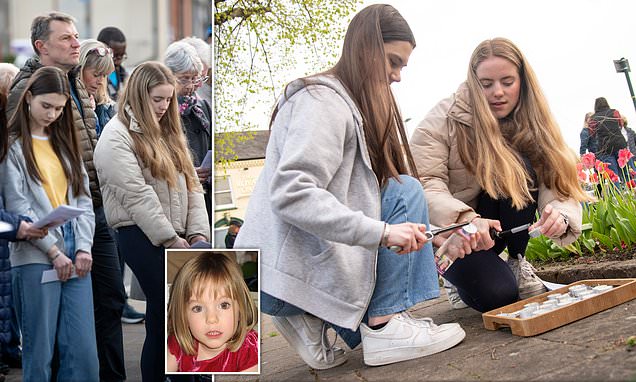
For most people, navigating the transition from childhood to young adulthood is a quiet, personal experience. Growing up under the intense glare of the international media makes finding your own path significantly more difficult. Amelie McCann has spent her entire life in the public eye, yet she has managed to forge an identity defined by personal resilience, academic dedication, and a deep love for sports.
As a student, athlete, and aspiring professional, she is steadily building a life centered on her own passions. Instead of letting her family’s tragic history dictate her future, she has channeled her energy into meaningful pursuits. From competing in demanding endurance sports to advocating for physical activity accessibility, her actions speak to a profound inner strength.
Understanding who Amelie McCann is requires looking past the headlines that have surrounded her family for over a decade. It means recognizing the dedicated Durham University student, the competitive triathlete, and the young woman taking her first ambitious steps into the professional world of sports management. Her story is one of quiet determination and the steady pursuit of personal excellence.
Early Life and Background
Born into a family that would soon face an unimaginable crisis, Amelie McCann’s early years were shaped by profound public scrutiny. Following the disappearance of her older sister, Madeleine, during a family holiday in Portugal in 2007, her parents, Kate and Gerry McCann, were thrust onto the global stage. Amelie and her twin brother, Sean, grew up in a household deeply affected by this ongoing search.
Despite the relentless media attention, her parents worked tirelessly to provide a sense of normalcy for the twins. They attended local schools, participated in community activities, and were encouraged to pursue their personal interests. Sports quickly became an essential outlet. Running and swimming offered a space where she could simply be a child, free from the heavy narrative that surrounded her family name.
This foundation of physical activity provided more than just a hobby. It instilled discipline, focus, and a strong work ethic. As she progressed through her education, these traits helped her balance the typical demands of school with the unique pressures of her background. Her ability to maintain high academic standards while dedicating hours to athletic training highlighted a remarkable capacity for compartmentalization and focus.
Career Beginnings and Breakthrough
While still young, Amelie McCann is already making significant strides in her professional development. Her academic journey took a major step forward when she was accepted into Durham University, one of the most prestigious institutions in the United Kingdom. There, she chose to pursue a Bachelor of Science degree in Geography. This academic focus requires a deep understanding of human and physical environments, demanding strong analytical skills and a dedication to research.
Her transition from a university student to a young professional gained momentum when she secured a highly sought-after placement with Sport England. Working within the Investment Management division, she found a way to bridge her academic background with her lifelong passion for athletics. This role involves understanding how funding can be strategically applied to improve community sports programs and infrastructure.
Taking on this internship marked a clear breakthrough in her career trajectory. It shifted her from a participant in sports to an active facilitator, working behind the scenes to help others access the same physical and mental benefits she enjoyed growing up. By focusing on the structural side of sports administration, she has positioned herself for a promising career in public health, sports management, or urban planning.
Notable Works and Achievements
Amelie McCann’s most visible achievements lie in her dedication to competitive athletics. Over the years, she has developed into a formidable runner and triathlete. Competing as a member of the Charnwood Athletic Club, she has consistently pushed her physical limits in both regional and national events.
Her involvement in triathlons—a grueling combination of swimming, cycling, and running—requires immense cardiovascular endurance and mental toughness. She has represented her club in numerous cross-country races, frequently posting impressive times and demonstrating a relentless competitive spirit. Balancing the intense training schedule required for these events with her demanding university studies is a major achievement in itself.
Beyond the track, her academic acceptance and ongoing success at Durham University stand as significant milestones. Geography is a rigorous discipline that challenges students to address complex global issues. Earning her place in this program, and subsequently landing an internship with a major national body like Sport England, underscores her intellectual capabilities and her drive to succeed on her own merits.
Impact and Influence in her Field
Though she is still at the beginning of her professional journey, Amelie McCann is already making a tangible impact in the realm of sports accessibility. Through her work with Sport England, she is directly involved in initiatives designed to break down barriers to physical activity. She has publicly expressed her commitment to making exercise accessible to more people, recognizing that sports can be a transformative force in communities that lack proper funding or facilities.
Her influence also stems from her status as a role model for young athletes. By competing at a high level while managing the pressures of university life and public visibility, she demonstrates the value of perseverance. Young runners and triathletes can look to her work ethic as an example of what can be achieved through consistent, quiet dedication.
Furthermore, her presence in the sports management sector brings a fresh, youth-oriented perspective to organizations like Sport England. As a current student and active competitor, she understands the modern challenges facing amateur athletes and local clubs. This firsthand experience allows her to contribute meaningful insights to investment strategies, ensuring that funding reaches the grassroots programs that need it most.
Challenges and Triumphs
The most obvious challenge in Amelie McCann’s life has been navigating the trauma and public exposure associated with her sister’s disappearance. Growing up with a family tragedy heavily documented by the global press forces a child to mature rapidly. She has had to learn how to protect her privacy, establish boundaries, and cope with the emotional weight of a highly publicized open investigation.
Recently, she faced the difficult task of testifying in court regarding online harassment targeting her family. Standing up to stalkers and individuals who exploit her family’s pain required immense bravery. Addressing these issues in a legal setting was a heavy burden, but it showcased her refusal to be intimidated and her commitment to protecting her family’s well-being.
Her triumphs are defined by how she has responded to these adversities. Rather than retreating, she has actively pursued a fulfilling, ambitious life. Every race she finishes, every academic milestone she passes, and every professional opportunity she secures is a victory over the circumstances that could have easily derailed her. Her ability to build a successful, independent life is her greatest triumph.
Future Prospects and Ongoing Projects
Looking ahead, Amelie McCann is focused on completing her Bachelor of Science in Geography at Durham University. As she approaches the final stages of her degree, she will likely undertake extensive research projects or a dissertation, applying her analytical skills to real-world geographical or environmental challenges.
Her internship with Sport England serves as a crucial stepping stone for her future career. The experience gained in investment management provides her with a solid foundation in public sector funding, project evaluation, and strategic planning. Whether she chooses to continue in sports administration, transition into environmental policy, or pursue further academic research, she has built a robust skill set that will serve her well.
Athletically, she continues to train and compete. As she gains more experience in triathlons and cross-country running, she may set her sights on longer distances or higher-level national competitions. The discipline required for these sports will undoubtedly remain a core component of her daily routine, providing balance and focus as she navigates her final years of university.
Personal Life and Philanthropy
Amelie McCann maintains a notably private personal life, a deliberate and understandable choice given her background. She carefully manages her digital footprint, focusing her public updates on her professional achievements and athletic endeavors rather than her private social activities. This boundary allows her to enjoy a relatively normal university experience with her close circle of friends and teammates.
Philanthropy and community engagement are central to her family’s ethos, and she carries this forward through her advocacy for sports. Her desire to increase participation in physical activity is deeply tied to a philanthropic mindset. She understands that providing access to sports is a powerful way to improve physical health, boost mental well-being, and foster community cohesion.
She also remains a steadfast source of support for her parents and twin brother. The McCann family has always presented a united front, participating in vigils and awareness campaigns regarding missing children. While she keeps the specific details of her personal life guarded, her public actions consistently reflect loyalty, compassion, and a desire to contribute positively to society.
Moving Forward with Purpose and Strength
Amelie McCann’s life is a powerful example of endurance. While the world may initially recognize her name due to a tragic family history, her actions are quickly writing a new, deeply inspiring narrative. By dedicating herself to her studies at Durham University and pushing her physical limits on the track, she has proven that she is the author of her own story.
Her work with Sport England highlights a maturity and a desire to give back to the community. As she continues to grow as an athlete and a professional, she will undoubtedly keep breaking down barriers and advocating for the causes she cares about. Her journey reminds us that true strength is found in the quiet, consistent pursuit of our goals, regardless of the obstacles placed in our path.


Everyday family life comes with countless small decisions. Parents search for creative activities for children, practical household solutions, useful product recommendations, and affordable ways to make family time more enjoyable. Look WhatMomFound is a keyword people use when looking for a family-oriented blog, lifestyle inspiration, parenting information, and interesting discoveries that can make daily routines easier.
The name is associated with the website LookWhatMomFound.com, a family blog founded by Melinda and Rob in 2008. According to its About Us page, the original blog shared family experiences, parenting stories, photographs, and information about products, services, causes, and events. Its coverage also extended into subjects such as technology, fashion, and family travel. Source
For readers discovering Look WhatMomFound for the first time, understanding the site’s purpose can make browsing more productive. Rather than searching randomly for advice, visitors can identify the subjects they care about and evaluate whether individual articles offer useful, relevant information.
This guide explains what the name represents, which topics readers may want to explore, how to assess online recommendations, and how to use family lifestyle content responsibly.
What Makes Look WhatMomFound Relevant to Modern Families?
Modern families often rely on digital resources to answer everyday questions. A parent might search for a rainy-day activity in the morning, compare household products in the afternoon, and look for a family-friendly travel destination later that evening.
Family lifestyle blogs bring these interests together in one convenient environment. Look WhatMomFound is associated with this type of content, combining family experiences with practical information and product-related discoveries.
Three qualities make this category of website useful to readers.
Practical Information for Everyday Problems
The best family lifestyle content starts with a recognizable problem. It might explain how to organize a crowded playroom, plan an affordable weekend, or introduce a simple creative activity to children.
Useful articles go beyond describing an idea. They explain the materials required, the steps involved, the likely costs, and any limitations readers should consider.
For example, a guide to organizing children’s toys becomes more valuable when it includes realistic storage options for small homes, suggestions for involving children, and advice on maintaining the arrangement over time.
Ideas That Fit Different Budgets
Families do not share identical financial circumstances. An activity that works for one household might be impractical for another.
Budget-conscious recommendations should therefore include alternatives. A craft project might use inexpensive household materials instead of specialty supplies, while a travel guide could explain how to compare accommodation prices and transportation costs.
Readers exploring Look WhatMomFound-related content should prioritize suggestions that can be adapted to their household rather than assuming every recommendation is affordable for everyone.
Inspiration Without Unrealistic Expectations
Lifestyle articles can introduce readers to ideas they would not otherwise consider. However, inspirational content is most useful when it recognizes the realities of everyday life.
A family does not need an elaborate celebration, expensive equipment, or a perfectly organized home to create meaningful memories. Often, a simple shared activity provides more value than an elaborate plan.
What Topics Can Readers Explore Through Look WhatMomFound?
Family lifestyle websites can cover a wide range of subjects. The original LookWhatMomFound.com describes a broad editorial focus that includes parenting, family experiences, product discoveries, technology, fashion, and travel.
The following categories explain how readers can approach these subjects and get more value from the information they find.
Parenting Advice and Family Routines
Parenting content can help families think through common situations, including morning routines, children’s activities, household responsibilities, and ways to spend time together.
A useful parenting article should recognize that children develop differently and that family circumstances vary. General suggestions can provide inspiration, but they should not be treated as universal rules.
When evaluating parenting advice, look for practical details such as:
- The child’s approximate age or developmental stage.
- The materials, time, or preparation required.
- Ways to adapt the activity to different abilities.
- Safety considerations relevant to the situation.
- Clear explanations of when professional advice may be necessary.
Look WhatMomFound searches may lead readers to parenting-related material, but each article should be assessed individually for relevance, accuracy, and usefulness.
DIY Crafts and Creative Activities
Do-it-yourself projects are popular among families because they encourage creativity while giving children opportunities to learn through hands-on experiences.
Activities can include paper crafts, seasonal decorations, homemade greeting cards, recycled-material projects, and simple science demonstrations.
Before starting a project, consider the child’s age, attention span, and comfort with the materials involved. Small parts, sharp tools, hot glue, and certain chemicals may require adult supervision or should be avoided entirely for younger children.
A practical craft guide should explain the process clearly and identify any necessary precautions. It should also offer alternatives when a particular material is unavailable.
The goal is not to produce a perfect finished object. It is to make the experience enjoyable, manageable, and appropriate for the family.
Product Discoveries and Reviews
Product-related articles can help readers compare potential purchases before spending money. Family products may include household organizers, children’s accessories, travel equipment, kitchen tools, educational toys, and everyday convenience items.
However, a product recommendation should not be accepted simply because it appears in a blog post.
Look for evidence supporting the recommendation. Does the article explain how the product works? Are its advantages and disadvantages discussed? Is the review based on hands-on testing, manufacturer information, or independent research?
Readers should also compare current prices, warranty terms, return policies, and product specifications before purchasing.
Look WhatMomFound-related searches may surface product content, but the presence of a product in an article does not automatically establish that it is the best choice for every household.
Family Travel and Weekend Planning
Travel content can help families identify destinations, prepare itineraries, and plan trips around their available time and budget.
A useful family travel guide should address practical concerns such as transportation, accommodation, meals, accessibility, and age-appropriate activities.
Before relying on a recommendation, verify details that may change. Opening hours, ticket prices, hotel policies, seasonal attractions, and transportation schedules should be checked through current official sources.
Families can also make trips more manageable by preparing a simple itinerary, allowing breaks, and keeping essential supplies accessible.
Technology, Fashion, and Lifestyle
Family life extends beyond parenting and household management. Technology guides can help readers understand devices and useful digital tools, while fashion content may offer ideas for everyday clothing, seasonal outfits, or special occasions.
Lifestyle articles can cover organization, shopping decisions, routines, and ways to make daily activities more efficient.
The most helpful content explains the intended audience and acknowledges relevant trade-offs. A technology recommendation, for example, should consider compatibility, privacy, cost, and ease of use rather than focusing exclusively on features.
How to Find the Right Information on Look WhatMomFound
Finding a relevant article is only the first step. Readers also need to determine whether the information answers their question.
Use this simple process when exploring Look WhatMomFound or another family lifestyle website.
Step 1: Define Your Search
Begin with a specific question rather than a broad phrase.
Instead of searching for general family ideas, try a more focused query such as:
- Easy indoor crafts for children on rainy days.
- Affordable weekend activities for families.
- Practical storage solutions for small bedrooms.
- Questions to ask before buying a children’s travel seat.
Specific searches make it easier to identify content that addresses a real need.
Step 2: Read the Full Article
A headline may promise a solution without providing enough information to evaluate it.
Read the article carefully and identify the main recommendation, the steps involved, and any important qualifications. Check whether the content explains the reasoning behind its suggestions.
For product comparisons, examine the specifications and limitations rather than relying exclusively on positive descriptions.
Step 3: Check Dates and Supporting Sources
Some information remains useful for years, while other details become outdated quickly.
A basic paper craft tutorial may remain relevant for a long time. A hotel discount, product price, software feature, or travel policy may change significantly.
Look for publication or update dates where available. For important decisions, confirm current information with the manufacturer, service provider, government agency, or another appropriate primary source.
Step 4: Adapt the Advice to Your Household
Not every suggestion will suit every family.
Consider your budget, available space, children’s ages, time constraints, and individual needs before following a recommendation.
A useful resource should help you make a better-informed decision, not make you feel that you must follow every suggestion exactly as written.
How to Evaluate the Credibility of Look WhatMomFound Content
Trustworthiness is especially important when articles influence purchases, family activities, or decisions involving children.
A professional-looking website does not automatically guarantee accurate information. Readers should evaluate individual articles based on their evidence and transparency.
Look for Author Information
An author biography can help readers understand who created the content and what relevant experience they bring.
Personal experience may be valuable for topics such as organizing a household or planning a family outing. However, personal experience alone does not establish professional expertise in fields such as medicine, law, or financial planning.
For specialized topics, seek qualified sources and appropriate supporting evidence.
Distinguish Experience From Verified Facts
A writer may describe a product as convenient after using it. That statement is different from claiming that independent testing has established its performance.
Strong articles distinguish personal observations, manufacturer claims, and independently verified findings.
Readers should be cautious when an article presents broad conclusions without explaining the evidence behind them.
Examine Commercial Disclosures
Some lifestyle websites publish sponsored articles, affiliate links, or promotional material.
These arrangements are not automatically a problem. Commercial content can still be useful when the relationship is clearly disclosed and the claims are accurate.
Before purchasing, determine whether a recommendation is supported by meaningful information or relies mainly on promotional language.
Verify Important Safety Information
Activities involving children, pets, electrical equipment, food safety, or household chemicals may require additional precautions.
Use relevant official guidance when safety is involved. A lifestyle article can introduce an idea, but it should not replace professional advice when a situation requires specialized expertise.
How to Use Look WhatMomFound for Smarter Shopping
Shopping recommendations are most useful when they help readers understand whether a product meets a particular need.
Rather than buying an item because it is featured in an article, use a consistent comparison process.
- Identify the problem. Decide what you need the product to accomplish.
- Set a realistic budget. Include shipping, accessories, maintenance, and other potential expenses.
- Compare alternatives. Review specifications, durability, usability, and warranty coverage.
- Check independent feedback. Look for recurring patterns in verified customer reviews rather than relying on a single enthusiastic comment.
- Confirm the seller. Check return policies, payment security, and the legitimacy of the retailer.
- Make a considered decision. Buy only when the benefits justify the cost.
For example, a family considering a storage organizer should measure the available space first. A less expensive product that fits the room and meets the household’s needs may be more useful than a premium model with unnecessary features.
This approach turns product discovery into a practical decision-making process.
How Families Can Turn Online Ideas Into Real-Life Activities
Reading about an idea is easy. Making it part of everyday life requires planning and follow-through.
A simple system can help families get more value from lifestyle resources.
Create a Shortlist of Useful Ideas
Save articles that address recurring needs, such as meal planning, children’s activities, household organization, or travel preparation.
Avoid collecting so many ideas that choosing one becomes another task. A small shortlist is often easier to use.
Plan Around Available Time
Choose activities according to the time you actually have.
A ten-minute drawing activity may be suitable on a busy weekday, while a more involved craft project might fit a relaxed weekend afternoon.
Planning realistically makes it more likely that an idea will be completed and enjoyed.
Evaluate the Results
After trying a suggestion, consider what worked and what did not.
Was the activity appropriate for the children’s ages? Did the product solve the intended problem? Was the total cost reasonable?
These observations help families decide whether to repeat, adapt, or abandon an idea.
Keep Safety and Accessibility in Mind
The best activity is not necessarily the most complicated one.
Choose options that fit the household’s space, abilities, resources, and safety requirements. Adapt instructions when necessary and supervise children according to the risks involved.
Common Mistakes to Avoid When Searching for Look WhatMomFound
Readers can waste time or make poor decisions when they treat every search result as equally reliable.
Avoid these common mistakes:
Confusing similar website names. Search results may include different websites with similar names. Check the complete domain before assuming that a page belongs to the original site.
Relying only on headlines. Headlines are designed to attract attention. Read the supporting information before accepting a claim.
Assuming every recommendation is independently tested. Look for a clear explanation of the review method and any commercial relationship.
Ignoring outdated information. Prices, product availability, travel rules, and promotional offers can change.
Sharing unnecessary personal information. Be careful when a website or giveaway requests contact details, financial information, or other sensitive data. Provide only what is genuinely necessary and verify the organizer before participating.
Expecting every idea to work for every family. Household circumstances differ. Adapt suggestions instead of treating them as universal instructions.
Avoiding these mistakes helps readers use family lifestyle content more confidently and efficiently.
How to Participate Safely in Online Giveaways
Readers searching for family blogs may also be interested in contests or promotional giveaways. Before entering any giveaway associated with a website, confirm that the promotion is genuine and that its terms are clear.
Look for the following information:
- The organizer’s identity and official website.
- The prize description and its approximate value.
- Entry requirements and eligibility restrictions.
- The closing date and winner-selection method.
- Any shipping costs, taxes, or additional obligations.
- An explanation of how personal information will be used.
Be cautious of messages claiming that you have won a prize you never entered. Requests for gift cards, cryptocurrency payments, passwords, or unnecessary banking information are serious warning signs.
A legitimate promotion should provide understandable terms and a reasonable way to contact its organizer. If the offer cannot be verified, do not provide personal details or payment.
Why Useful Family Lifestyle Content Needs Accuracy and Transparency
Family lifestyle publishing works best when convenience is balanced with responsibility.
Readers appreciate content that saves time, introduces practical ideas, and explains unfamiliar products. They also need to know when information is based on personal experience, when claims require further verification, and when a topic calls for professional guidance.
For publishers, this means creating articles that answer real questions instead of repeating keywords without adding substance.
High-quality content should provide clear instructions, accurate descriptions, meaningful comparisons, and relevant sources. It should also be updated when circumstances change.
For readers exploring Look WhatMomFound, these standards provide a useful framework for deciding which articles deserve attention and which recommendations require further investigation.
The same approach applies to every family lifestyle website. A reliable resource is not simply one that publishes frequently; it is one that helps readers understand their options and make informed choices.
Conclusion: Make Look WhatMomFound Searches More Useful
Look WhatMomFound is a recognizable search phrase associated with family lifestyle blogging, parenting experiences, product discoveries, and everyday inspiration. The original LookWhatMomFound.com describes a blog founded by Melinda and Rob in 2008, with content covering family life and a variety of related subjects.
For readers, the most effective approach is to start with a specific question, read relevant articles carefully, verify important details, and adapt suggestions to their own circumstances.
Whether you are exploring creative activities, comparing household products, researching family travel, or looking for practical lifestyle ideas, focus on information that is clear, current, and supported by appropriate evidence.
Take action today: Identify one everyday challenge you want to solve, search for a focused guide, compare its recommendations with reliable sources, and try the option that best fits your family’s needs. A small, well-informed improvement can be more valuable than dozens of ideas that never make it into practice.
Frequently Asked Questions
Look WhatMomFound is a search phrase associated with a family lifestyle blog. The original LookWhatMomFound.com was founded by Melinda and Rob in 2008 and shared family stories, parenting experiences, product discoveries, and information about topics including technology, fashion, and travel.
What kind of content can I find on Look WhatMomFound?
The original blog’s About Us page describes family and parenting content, personal stories, product and service features, technology, fashion, causes, events, and family travel. The available topics may change over time, so check the website directly for its current articles.
Is Look WhatMomFound a useful resource for parents?
It may be useful for discovering family-oriented ideas, experiences, and lifestyle information. However, the usefulness of any article depends on its accuracy, relevance, and evidence. For medical, legal, or other specialized questions, consult an appropriately qualified professional.
How can I check whether a Look WhatMomFound giveaway is legitimate?
Verify the promotion on the organizer’s official website, read its terms and eligibility rules, and confirm how winners are selected. Never pay unexpected fees or share passwords to claim a prize. Be especially cautious of unsolicited messages claiming that you have won.
Visit the contact or About Us section of the specific website you intend to reach. Confirm that the domain is correct before sending a message, particularly because similarly named websites may be unrelated. Use contact information published on that website rather than relying on unverified third-party listings.

Jeannine Belleguic is a name that has attracted online attention from people looking for information about her biography, family background, age, and personal history. Unlike famous entertainers or public personalities, Jeannine Belleguic appears to have lived a largely private life in France. The information available about her comes primarily from civil records, memorial notices, and funeral announcements associated with Brittany.
Public records identify her as Jeannine Belléguic, née Bleuzen, connecting the surname Belléguic with her birth surname, Bleuzen. Available records also associate her with Quimperlé, a historic town in the Finistère department of Brittany, France. Records published online indicate that she was born on May 28, 1931, and died on April 18, 2025, at the age of 93. These details provide a starting point for understanding her identity, although many aspects of her personal life remain undocumented. <sup>【turn681031search1】【turn681031search7】</sup>
When researching someone with a limited public profile, it is important to distinguish established facts from assumptions. A name appearing in search results does not automatically indicate celebrity status, and repeated claims across multiple websites do not necessarily make those claims reliable.
This article examines what is publicly known about Jeannine Belleguic, explains the significance of her name and regional connections, and addresses common questions without presenting unsupported details as facts.
Jeannine Belleguic: Quick Biography and Key Facts
The following table summarizes the main details reported in publicly accessible records.
| Detail | Information |
|---|---|
| Name used in records | Jeannine Belléguic |
| Birth surname | Bleuzen |
| Full birth name reported in civil records | Jeannine Josephine Annick Bleuzen |
| Date of birth | May 28, 1931 |
| Birthplace | Quimperlé, Finistère, France |
| Region | Brittany, France |
| Date of death | April 18, 2025 |
| Age at death | 93 |
| Funeral date reported | April 25, 2025 |
| Funeral location reported | Notre-Dame Church, Quimperlé |
| Profession | Not reliably established by the sources reviewed |
These details are drawn from online summaries of French civil and memorial records. The strongest biographical information concerns her name, dates, and connection to Quimperlé. A detailed account of her occupation, education, childhood, and private relationships cannot be established from the available information alone. <sup>【turn681031search1】【turn681031search7】</sup>
Jeannine Belleguic’s Early Life and French Background
Her connection to Quimperlé
Jeannine Belleguic’s reported birthplace was Quimperlé, a town in the Finistère department of Brittany in western France. Her connection to this area is one of the clearest details in the available biographical record.
Quimperlé has a distinctive regional identity shaped by Breton culture, local traditions, historic architecture, and the wider history of northwestern France. Its character differs from that of large metropolitan centers such as Paris, where national media, major institutions, and extensive public archives may make the lives of prominent individuals easier to trace.
For anyone researching Jeannine Belleguic, the location matters because it helps narrow the search to a particular region and its local records. Place names can also help distinguish one person from another when several individuals share similar names.
However, knowing someone’s birthplace does not establish the details of their childhood. The available sources do not provide a dependable account of her school years, parents, siblings, childhood interests, or early ambitions. Those details should remain open questions rather than being filled with invented stories.
Growing up in twentieth-century France
Jeannine was reportedly born in 1931, during a period when France was experiencing major social, economic, and political changes. Her lifetime spanned the Second World War, postwar reconstruction, changes in family life, and the development of modern European society.
This historical context offers a useful way to understand the era in which she lived. Nevertheless, general historical events cannot tell us exactly what Jeannine experienced personally. Without reliable family accounts, interviews, letters, or other biographical evidence, it would be inaccurate to claim that particular events shaped her childhood or later decisions.
A responsible biography separates the history of a period from the documented experiences of an individual. That distinction is especially important when information about a private person is limited.
Why Is Jeannine Belleguic Also Known as Jeannine Bleuzen?
One of the most useful details in researching Jeannine Belleguic is the appearance of two surnames: Belléguic and Bleuzen.
French records use the expression “née Bleuzen” alongside the surname Belléguic. In French, née indicates a woman’s birth surname, commonly called her maiden name in English. This wording explains why records may identify the same person under different surnames at different points in her life. <sup>【turn681031search1】【turn681031search7】</sup>
Understanding the name variation
The name variation can be explained in three simple steps:
- Birth surname: Bleuzen is identified as Jeannine’s birth surname.
- Later surname: She is recorded as Belléguic after marriage.
- Different spellings online: Some websites omit the accent, using “Belleguic” instead of “Belléguic.”
These variations are important for genealogy research. A person searching only for Jeannine Belleguic might overlook a civil record indexed under Bleuzen. Searching both surnames can reveal additional information and help connect records that refer to the same individual.
The accent also matters when searching French-language sources. Although search engines often recognize accented and unaccented versions of a name, individual databases may handle them differently.
For a more complete search, readers can try several combinations, including “Jeannine Belléguic,” “Jeannine Belleguic,” and “Jeannine Bleuzen.” These searches should be treated as different ways to locate potential records, not as proof that every result belongs to the same person.
Jeannine Belleguic’s Family and Personal Life
Family history is a common reason people search for biographies of individuals who were not widely known in public life. They may be trying to understand a relative’s background, identify a person mentioned in an obituary, or connect names across generations.
In Jeannine Belleguic’s case, the available memorial information connects her birth surname with the Belléguic family name. Some published accounts also discuss family relationships, but the material available for this article does not independently establish a comprehensive family tree.
For that reason, it would be misleading to provide a definitive list of her relatives, describe the nature of her marriage in detail, or invent stories about her home life.
What is known about her family background?
The use of “née Bleuzen” provides a documented link between the two surnames. Beyond this naming information, a more detailed understanding of her family would require stronger evidence, such as:
- Official civil registration documents.
- Original funeral or obituary notices.
- Family records made available by relatives.
- Historical documents that identify relationships clearly.
- Reliable local archival material.
These sources can help establish whether a person listed in a document is a parent, spouse, child, or another relative. They can also reduce the risk of confusing people who have similar names.
Why privacy matters in personal biographies
Not every person whose name appears online lived a public life. A respectful biography does not need to reveal every private detail, and it should not fill gaps with dramatic but unsupported claims.
The most useful approach is to explain what the records establish, acknowledge what remains unknown, and direct readers toward appropriate sources when further confirmation is needed.
What Was Jeannine Belleguic’s Profession?
A common question about Jeannine Belleguic concerns her career. Readers may expect to find information about her occupation, qualifications, employers, or professional achievements.
However, the sources reviewed for this article do not reliably establish a specific profession for her. Some biography-style websites have circulated claims about professional work, including psychology-related activities, but those claims should not be treated as confirmed without independent supporting evidence.
Why career information may be difficult to find
There are several reasons a person’s professional history may be missing from public search results.
First, private employment is not always publicly documented. Many people work for local businesses, provide services privately, or manage family responsibilities without leaving an extensive online profile.
Second, historical records vary in availability. Someone who began working decades before the internet became widespread may have little searchable professional information.
Third, names can be confused. A search result may refer to another person with a similar name or may combine details from unrelated sources.
Finally, online articles sometimes repeat unverified claims. A statement can appear on several websites without being supported by an original document or credible independent source.
The absence of a verified profession does not imply that Jeannine lacked professional experience or achievements. It simply means that a reliable public account of her occupation has not been established through the sources reviewed.
A trustworthy biography should make this distinction clear rather than assigning her a career based on speculation.
Was Jeannine Belleguic a Celebrity or Public Figure?
The available evidence does not establish Jeannine Belleguic as a nationally recognized celebrity, entertainer, politician, or media personality.
This distinction helps explain why people may find limited information when searching for her biography.
Public figures often leave extensive documentation through interviews, published work, official biographies, news coverage, and public appearances. Private individuals may have none of these sources, even when their lives were long and meaningful.
Why her name appears in online searches
Several factors can make the name of a private individual visible online:
- Memorial notices: Family announcements may be indexed by search engines.
- Genealogy research: People tracing their ancestry may search for names and dates.
- Local records: Civil registrations and funeral announcements can provide identifying details.
- Biography websites: Publishers may create pages to answer questions about a name that users are searching for.
- Name variations: Different spellings can lead to multiple search results for the same individual.
The appearance of a name on numerous websites does not automatically confirm that the person was famous. It may instead reflect growing interest in a small amount of publicly available information.
For Jeannine Belleguic, the most responsible description is that she appears to have been a private French woman whose identity is documented mainly through local and memorial records.
Jeannine Belleguic’s Death and Funeral Information
Publicly available records indicate that Jeannine Belleguic died on April 18, 2025, at the age of 93. Her funeral was reported to have taken place on April 25, 2025, at Notre-Dame Church in Quimperlé. These details appear in published accounts referring to French obituary and memorial information.
Death and funeral notices are valuable sources for biographical research because they can preserve information that might otherwise be difficult to find. They may include a person’s name, dates, family surname, location, and arrangements for a funeral or memorial service.
Nevertheless, an obituary is not the same as a complete biography. It usually serves a particular purpose: informing readers of a death, sharing funeral arrangements, and communicating a family’s remembrance.
It generally does not provide a full account of a person’s career, education, interests, beliefs, or experiences across several decades.
How to verify death and funeral details
Readers seeking confirmation should prioritize original records over articles that repeat the same information.
Useful verification steps include:
- Look for the original French obituary or funeral announcement.
- Compare the name and dates with official civil records where accessible.
- Check whether the source includes the birth surname or other identifying information.
- Confirm that the location and dates match across reliable records.
- Avoid assuming that every record containing the surname Belleguic refers to the same person.
This process is particularly useful when researching a name shared by multiple individuals.
How to Research Jeannine Belleguic’s Life More Accurately
Anyone hoping to learn more about Jeannine Belleguic can use a structured research approach.
1. Search using both surnames
Start with the forms “Jeannine Belleguic,” “Jeannine Belléguic,” and “Jeannine Bleuzen.” This helps account for accent differences and the use of a birth surname in older records.
2. Include the location
Add “Quimperlé,” “Finistère,” or “Brittany” to search queries. Geographic information can help distinguish between people with similar names.
3. Prioritize original sources
Look for French obituary notices, civil registration records, and local archival information. A page that identifies its original source is generally more useful than one that offers unsourced biographical claims.
4. Check dates carefully
Compare the reported date of birth and date of death before connecting two records. A matching surname alone is not enough to prove that two documents describe the same individual.
5. Separate evidence from assumptions
Create two lists while researching: one for information supported by identifiable records and another for claims that still require confirmation.
6. Respect the limits of public information
If reliable records do not reveal a person’s occupation, childhood, or family relationships, it is better to acknowledge the gap than to invent a plausible explanation.
Why Accurate Biographical Writing Matters
The case of Jeannine Belleguic illustrates the difference between a detailed-looking article and a well-supported biography.
A stronger approach begins with verifiable facts, explains their significance, and makes uncertainty visible. It is to help readers understand the person accurately and respectfully.
Conclusion: What Can We Learn About Jeannine Belleguic?
Beyond these details, her professional history and many aspects of her private life remain insufficiently documented in the sources reviewed. That limitation should not be mistaken for a lack of importance. A person’s life can matter deeply to family, friends, and their community without generating a large public archive.
Ultimately, the most useful biography is not necessarily the one that claims to know everything. It is the one that provides reliable information, explains what the evidence means, and treats the person behind the name with accuracy and respect.
Frequently Asked Questions About Jeannine Belleguic
Who was Jeannine Belleguic?
Jeannine Belleguic was a French woman associated with Quimperlé in Brittany. Publicly available records connect her married surname, Belléguic, with her birth surname, Bleuzen.
Available civil-record summaries report that she was born on May 28, 1931, in Quimperlé, in the Finistère department of France.
Published accounts of French memorial records report that she died on April 18, 2025, at the age of 93.
Her birth or maiden surname was Bleuzen. The French expression “née Bleuzen” means that she was born with that surname.
Her profession has not been reliably established by the sources reviewed for this article. Claims about a particular career should be treated cautiously unless they can be supported by credible independent records, professional documentation, or other trustworthy evidence.

In today’s rapidly changing business environment, leaders who can combine strategic thinking, operational expertise, and transformation skills are becoming increasingly valuable. DeAnna Dobosz represents this type of modern professional, with a career focused on business transformation, insurance, financial services, consulting, and organizational change.
Unlike traditional leadership roles that focus only on maintaining existing systems, transformation leaders like DeAnna Dobosz work on improving how organizations operate, helping companies adapt to technology shifts, market pressures, and changing customer expectations.
Her professional background reflects experience in managing complex programs, improving operational performance, and supporting businesses through periods of significant change.
This article explores DeAnna Dobosz’s career journey, professional expertise, leadership approach, and the qualities that define successful transformation professionals in modern industries.
Who Is DeAnna Dobosz?
DeAnna Dobosz is a business transformation and operations leader specializing in insurance and financial services. Her professional profile highlights experience in areas including complex change management, program leadership, outsourcing, consulting, and operational improvement.
She has built her career around helping organizations navigate challenging transitions. These transitions can involve implementing new business processes, improving efficiency, managing large-scale projects, and aligning teams toward strategic goals.
Modern companies often struggle with one major challenge: creating a bridge between business strategy and practical execution. Transformation professionals help solve this gap by ensuring that ambitious plans become measurable results.
That ability is central to the type of work associated with DeAnna Dobosz.
DeAnna Dobosz Career Background and Professional Experience
A successful transformation career is usually built through years of exposure to different business functions. Instead of focusing on only one department, transformation leaders typically understand operations, technology, finance, people management, and customer needs.
The career path of DeAnna Dobosz reflects this broader approach.
Her professional experience includes work connected with:
- Business transformation programs
- Insurance operations
- Financial services
- Strategic change management
- Project and program management
- Operational improvement
- Business consulting
These areas require a unique combination of analytical ability and communication skills. A transformation leader must understand complex problems while also explaining solutions clearly to executives, teams, and stakeholders.
What Makes DeAnna Dobosz’s Leadership Approach Different?
1. Focus on Sustainable Business Change
One of the biggest mistakes companies make is treating transformation as a short-term project.
Real transformation is not simply introducing a new tool or changing a process. It requires changing how people work, how decisions are made, and how organizations measure success.
Professionals like DeAnna Dobosz operate within this space by focusing on long-term improvements rather than temporary fixes.
Successful transformation usually includes:
- Clear business objectives
- Strong stakeholder alignment
- Effective communication
- Practical implementation plans
- Continuous improvement
2. Combining Strategy With Execution
Many leaders are skilled at creating strategies, but fewer are able to execute them successfully.
Transformation requires both.
A strategy explains where an organization wants to go. Execution determines whether it actually gets there.
This is where experienced operational leaders create value.
A strong transformation professional understands:
Business vision → Action plan → Team execution → Measurable results
This approach helps organizations avoid disconnected projects that fail to deliver meaningful outcomes.
DeAnna Dobosz and the Importance of Transformation Leadership
Businesses today face constant disruption.
Industries such as insurance and financial services are experiencing major changes because of:
- Digital technology
- Automation
- Customer expectations
- Regulatory requirements
- Increased competition
Companies cannot rely on outdated methods.
They need leaders who understand how to modernize operations while maintaining stability.
That is why transformation leadership has become one of the most important skills in modern business.
A transformation leader helps organizations answer important questions:
- How can processes become more efficient?
- How can teams collaborate better?
- How can technology improve customer experiences?
- How can companies adapt faster?
These questions represent the core challenges faced by many organizations today.
Professional Skills Associated With DeAnna Dobosz’s Career
Based on her professional background, several important skills stand out.
Change Management Expertise
Change management is one of the most difficult parts of business transformation.
People naturally resist changes that affect their daily work.
Effective leaders understand that transformation is not only about systems. It is also about people.
Successful change management involves:
- Explaining why change is needed
- Supporting employees during transitions
- Creating confidence in new processes
- Measuring adoption and improvement
Program and Project Leadership
Large organizations often manage multiple initiatives at the same time.
Without strong program leadership, projects can become disconnected and inefficient.
Experienced transformation leaders help by:
- Defining priorities
- Managing resources
- Tracking progress
- Reducing operational risks
Business Consulting Perspective
Consulting experience provides exposure to different challenges across industries.
It develops the ability to analyze problems quickly and recommend practical solutions.
This perspective allows leaders to look beyond individual departments and understand the organization as a complete system.
DeAnna Dobosz’s Role in Modern Financial Services Transformation
Financial services organizations operate in one of the most complex business environments.
They must balance:
- Customer expectations
- Security requirements
- Regulations
- Technology innovation
- Operational efficiency
Transformation leaders help these organizations modernize without disrupting essential services.
The insurance industry, in particular, has experienced major changes through:
- Digital customer platforms
- Automated claims processing
- Data-driven decision-making
- Improved risk management
Professionals with transformation expertise play an important role in helping companies adapt.
Why Transformation Leaders Matter More Than Ever
The business world is moving faster than ever before.
Companies that fail to adapt risk losing customers, efficiency, and competitive advantage.
Transformation leaders provide the structure needed to manage uncertainty.
They help organizations:
Improve efficiency
Better processes reduce wasted time and resources.
Create better customer experiences
Modern customers expect faster and simpler interactions.
Build adaptable teams
Organizations need employees who can respond to changing conditions.
Deliver measurable improvements
Successful transformation must produce real business value.
Lessons Businesses Can Learn From Transformation Experts
Organizations looking to improve can learn several important lessons from leaders in this field.
1. Transformation Should Have a Clear Purpose
Change without direction creates confusion.
Every transformation initiative should answer:
- What problem are we solving?
- What improvement do we expect?
- How will success be measured?
2. People Are the Center of Change
Technology alone does not transform businesses.
People do.
Companies must invest in:
- Training
- Communication
- Leadership support
- Employee engagement
3. Continuous Improvement Creates Long-Term Success
Transformation is not a one-time event.
Successful organizations constantly review:
- Processes
- Customer feedback
- Market changes
- Internal performance
Frequently Asked Questions About DeAnna Dobosz
1. Who is DeAnna Dobosz?
DeAnna Dobosz is a business transformation and operations leader with professional experience connected to insurance, financial services, consulting, and large-scale organizational change.
2. What industry does DeAnna Dobosz work in?
Her professional background is associated with insurance and financial services transformation, including operational leadership and business change initiatives.
3. What skills is DeAnna Dobosz known for?
Her professional profile highlights skills related to transformation leadership, program management, consulting, outsourcing, and operational improvement.
4. Why is transformation leadership important?
Transformation leadership helps organizations adapt to technology changes, customer expectations, and competitive pressures while improving efficiency and performance.
5. What can companies learn from transformation professionals?
Companies can learn the importance of strategic planning, employee communication, measurable goals, and continuous improvement when managing change.
Conclusion: The Growing Importance of Leaders Like DeAnna Dobosz
The modern business environment requires leaders who can do more than manage existing operations. Organizations need professionals who can understand challenges, create solutions, and guide teams through meaningful change.
DeAnna Dobosz represents the type of transformation-focused leadership that many industries increasingly depend on. Her professional background demonstrates the value of combining operational knowledge, strategic thinking, and change management expertise.
As businesses continue to evolve, transformation leaders will remain essential in helping organizations become more efficient, adaptable, and prepared for the future.


Melanie CraigScottCapital: Who Is Melanie, What Is Craig Scott Capital, and What Can Be Verified?

DigitalRGS Everything Apple: Your Complete Guide to Apple Devices, Features, and Technology

Fawn Weaver Net Worth in 2026: Her Whiskey Empire, Career, and Financial Challenges
-

 Fashion9 years ago
These ’90s fashion trends are making a comeback in 2017
-
Entertainment9 years ago
The final 6 ‘Game of Thrones’ episodes might feel like a full season
-
Fashion9 years ago
According to Dior Couture, this taboo fashion accessory is back
-
Entertainment9 years ago
The old and New Edition cast comes together to perform
-
Sports9 years ago
Phillies’ Aaron Altherr makes mind-boggling barehanded play
-
Business9 years ago
Uber and Lyft are finally available in all of New York State
-
Entertainment9 years ago
Mod turns ‘Counter-Strike’ into a ‘Tekken’ clone with fighting chickens
-
Entertainment9 years ago
Disney’s live-action Aladdin finally finds its stars