
Health
Thighs of Celebrities With Lipedema: Understanding the Condition, Body Shape, and Public Awareness

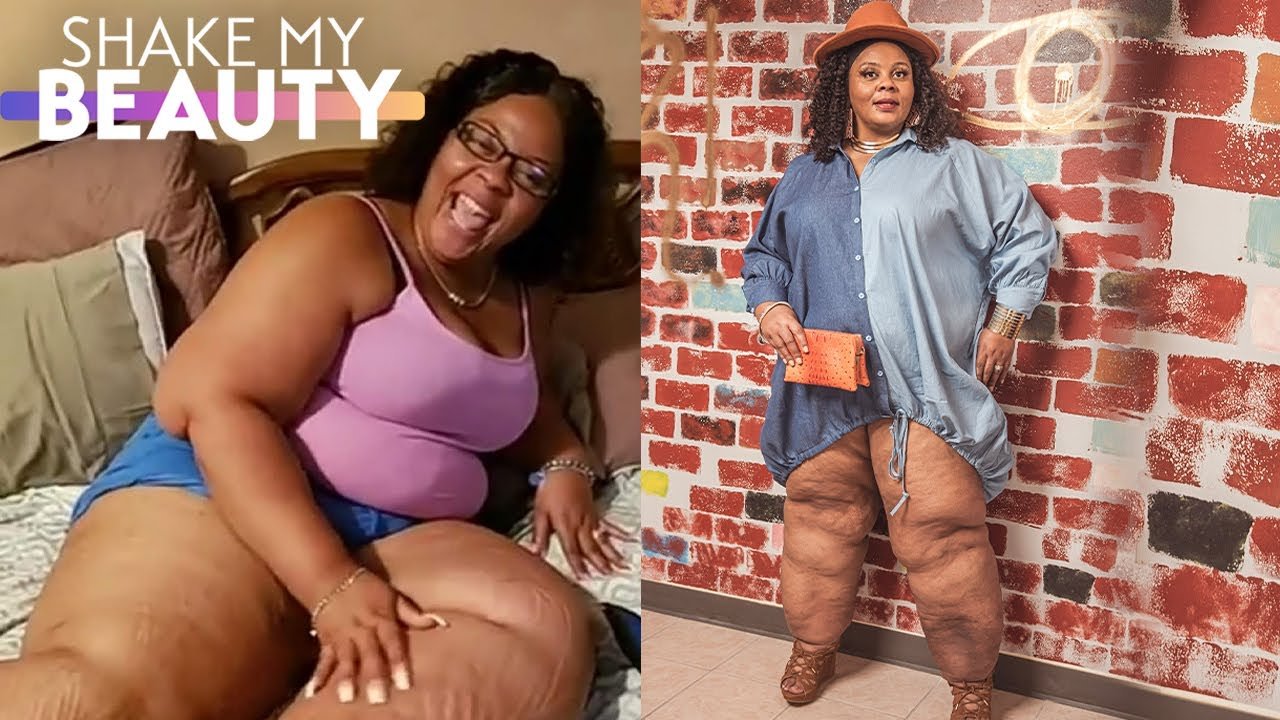
Searches for thighs celebrities with lipedema often come from people who want to understand why some women have fuller legs or thighs despite having a relatively slimmer upper body. Lipedema is a real, chronic condition involving an abnormal and often symmetrical buildup of fatty tissue, commonly around the hips, thighs, and lower legs.
However, an important distinction matters: a person’s thigh shape cannot confirm that they have lipedema. Photos, red-carpet appearances, and social media posts are not medical evidence. Unless a public figure has personally shared a diagnosis or reliable reporting documents it, it would be unfair to label them as having the condition.
This guide explains the condition, its effect on leg shape, what people can learn from public awareness discussions, and when to seek professional advice.
What Is Lipedema and Why Does It Affect the Thighs?
Lipedema, also spelled lipoedema, is a long-term condition involving an abnormal buildup of fat and connective tissue, most commonly in the lower body. It usually affects both sides of the body in a similar pattern.
The thighs, hips, buttocks, and lower legs may become larger in proportion to the upper body. In some people, the arms are affected too. The feet and hands are often spared, which can create a noticeable difference around the ankles or wrists.
Lipedema is not simply another word for having thick thighs. It is a medical condition that can involve pain, tenderness, heaviness, swelling, and easy bruising.
Why Can Lipedema Change Thigh Shape?
The condition can cause fat tissue to accumulate disproportionately around the hips and thighs. This may create a fuller lower-body appearance even when the waist and upper body are comparatively smaller.
People sometimes describe this as a difference between their upper and lower body proportions. However, body proportions vary naturally, and this appearance alone does not establish a diagnosis.
Other possible explanations for fuller thighs include:
-
Genetics and inherited body shape.
-
Ordinary differences in fat distribution.
-
Muscle development.
-
Hormonal changes.
-
General weight changes.
-
Other medical conditions that cause swelling.
The presence of pain, tenderness, easy bruising, and symmetrical enlargement may make a medical assessment worthwhile.
Thighs of Celebrities With Lipedema: Who Has Spoken Publicly?
The phrase thighs celebrities with lipedema is frequently used by people searching for recognizable examples of the condition. Public figures who discuss their experiences can help others recognize that lipedema is not simply a cosmetic concern.
Still, it is important to separate a confirmed diagnosis from a person’s suspicion or online speculation.
Here are some public figures whose experiences have been reported.
British television presenter Josie Gibson publicly discussed receiving a lipedema diagnosis in 2025. In January 2026, she spoke about the condition on This Morning, describing disproportionate fat accumulation, discomfort, and easy bruising.
Gibson’s account is particularly relevant to discussions about thighs because she described how her legs appeared disproportionate to her waist.
She also discussed treatment and surgery after experiencing symptoms. Her story illustrates why people should look beyond appearance and pay attention to physical symptoms.
Her experience does not mean that every woman with a similar thigh shape has lipedema.
2. Doja Cat
Singer Doja Cat discussed the possibility of lipedema in a social media video in March 2026. She talked about her family’s history, her earlier body proportions, and previous liposuction involving her thighs and hips.
An important detail is that Doja Cat spoke about possibly having the condition. Her comments should not be presented as confirmation of a formal medical diagnosis.
Her discussion nevertheless brought attention to the confusion between cellulite, ordinary fat distribution, cosmetic procedures, and lipedema.
3. Rafa Brites
Brazilian presenter Rafa Brites publicly discussed being diagnosed with lipedema in February 2026. She described leg discomfort, recurring bruises, and the feeling of heaviness.
Her experience adds another perspective to the conversation: lipedema is not necessarily obvious from someone’s overall body size.
A person can appear relatively slim and still experience symptoms that deserve medical attention.
Why Should Other Celebrity Names Be Treated Carefully?
Online articles sometimes include famous women in lists of people with lipedema simply because their thighs look fuller in photographs.
That is not reliable medical evidence.
A photograph cannot establish:
-
Whether the person experiences pain.
-
Whether the tissue is tender.
-
Whether bruising occurs easily.
-
Whether the body changes are symmetrical.
-
Whether a clinician has made a diagnosis.
For this reason, avoid treating celebrities such as actors, singers, or models as confirmed cases unless they have publicly shared that diagnosis or trustworthy reporting establishes it.
How Can You Recognize Common Lipedema Symptoms in the Thighs?
Lipedema can look different from one person to another. Some people notice changes in their thighs first, while others experience symptoms in their hips, calves, or arms.
The following signs are commonly associated with the condition.
1. Disproportionate Fat Around the Thighs
One noticeable feature can be a larger lower body compared with the waist or upper body.
The fat distribution often affects both legs in a relatively symmetrical pattern.
2. Pain and Tenderness
Some people experience pain when the affected tissue is pressed or touched.
The discomfort may range from mild tenderness to more persistent pain that affects everyday activities.
3. Easy Bruising
People with lipedema may notice bruises appearing after relatively minor bumps or without remembering a clear injury.
Frequent unexplained bruising is worth discussing with a healthcare professional.
4. A Feeling of Heaviness
Affected legs can feel heavy, uncomfortable, or difficult to move, particularly after extended periods of standing or walking.
This symptom can affect mobility and everyday comfort.
5. Changes in Skin Texture
Some people notice unevenness, dimpling, or a soft texture in the affected areas.
However, cellulite is common and does not automatically indicate lipedema.
The NHS identifies disproportionate limb size, pain, tenderness, heaviness, and easy bruising among the symptoms associated with lipoedema.
How Is Lipedema Different From Ordinary Fat and Cellulite?
These conditions are often confused because they can affect the appearance of the thighs. Understanding the differences can help people avoid unnecessary assumptions.
| Feature | Lipedema | Ordinary fat distribution | Cellulite |
|---|---|---|---|
| Main characteristic | Disproportionate fat and tissue buildup | Natural variation in body fat | Dimpled skin appearance |
| Pain | May be painful or tender | Usually not painful | Usually not painful |
| Bruising | May occur easily | Not a defining feature | Not a defining feature |
| Distribution | Often symmetrical | Varies between individuals | Common around thighs and buttocks |
| Medical assessment | Appropriate when symptoms suggest it | Usually not needed | Usually not needed |
Cellulite is a common skin-texture feature and can occur in people of different body sizes. Lipedema is a medical condition with symptoms beyond appearance.
A person can also have cellulite and lipedema at the same time.
Lipedema vs. Lymphedema
Another condition that may cause confusion is lymphedema.
Lymphedema involves a buildup of lymphatic fluid because the lymphatic system is not working properly. It can affect different parts of the body and may involve the feet.
Lipedema primarily involves abnormal fat and connective tissue accumulation. In many cases, the feet are not affected in the same way as the legs.
These conditions require different clinical assessments, so self-diagnosis based on appearance is not recommended.
Why Does Lipedema Develop?
The exact cause of lipedema is not fully understood. Researchers continue to investigate the roles of genetics, hormones, connective tissue, and other biological factors.
Hormonal Changes
Some people first notice symptoms or worsening changes during periods of hormonal transition, such as:
-
Puberty.
-
Pregnancy.
-
Menopause.
-
Changes involving hormonal contraception.
These patterns have been reported, but they do not prove that hormones are the sole cause.
Family History
Lipedema may run in families. If several relatives experience similar patterns of disproportionate fat accumulation and associated symptoms, it may be useful to mention this during a medical appointment.
Family history alone, however, cannot confirm the condition.
Is Lipedema Caused by Being Overweight?
No. Lipedema is not simply caused by being overweight.
It can occur in people at different body weights, including those who are otherwise relatively slim. A person’s weight does not determine whether they have the condition.
This distinction matters because people with lipedema may incorrectly blame themselves when changes in their legs do not respond as expected to conventional weight-management efforts.
How Is Lipedema Diagnosed?
There is currently no single routine blood test that confirms lipedema. Diagnosis is generally based on medical history and a physical examination by an appropriately qualified clinician.
Lipedema Foundation
A healthcare professional may ask about:
-
When the changes in the legs first appeared.
-
Whether both legs are affected.
-
Whether the affected areas feel painful or tender.
-
Whether bruising occurs frequently.
-
Whether symptoms changed during hormonal transitions.
-
Whether relatives have experienced similar symptoms.
-
Whether walking or everyday activities have become difficult.
The clinician may also consider other explanations for leg enlargement or swelling.
Depending on the symptoms, a patient may be referred to a specialist familiar with lipedema or lymphatic conditions.
Do not diagnose yourself or another person from photographs. A professional assessment is the appropriate way to investigate suspected lipedema.
What Treatments Can Help Manage Lipedema?
There is currently no universally established cure for lipedema. However, treatment can help manage symptoms, support mobility, and improve quality of life.
The right approach depends on the individual’s symptoms, medical history, and the severity of the condition.
1. Compression Therapy
Compression garments may help some people manage discomfort and swelling.
Examples include:
-
Compression leggings.
-
Medical compression stockings.
-
Specially fitted compression garments.
-
Compression bandages recommended by a trained professional.
The appropriate garment and compression level should be assessed by a qualified clinician.
2. Gentle Physical Activity
Regular movement can support mobility, muscle strength, and general health.
Depending on individual ability, suitable activities may include:
-
Walking.
-
Swimming.
-
Water-based exercise.
-
Cycling.
-
Gentle strength training.
-
Low-impact mobility exercises.
Exercise should be adapted to comfort and physical ability. People experiencing significant pain should seek professional guidance before starting a new routine.
3. Healthy Lifestyle Habits
A balanced lifestyle can support overall health, even though lifestyle changes do not necessarily eliminate lipedema tissue.
Helpful habits include:
-
Eating a balanced diet.
-
Staying hydrated.
-
Maintaining regular physical activity.
-
Getting sufficient sleep.
-
Avoiding prolonged inactivity.
-
Looking after skin health.
It is important not to treat lipedema as a personal failure or assume that weight loss alone will resolve the condition.
4. Emotional and Psychological Support
Living with a condition that changes body proportions can affect confidence and emotional well-being.
People may experience frustration when others misunderstand their symptoms or make comments about their appearance.
Support groups, counselling, and conversations with healthcare professionals can help people manage these challenges.
5. Lipedema Surgery
In selected cases, clinicians may discuss lipedema-reduction surgery, often involving specialized liposuction techniques.
Surgery is not a simple cosmetic solution or a guaranteed cure. It involves medical risks, recovery time, financial considerations, and the possibility of further treatment.
A specialist should explain the potential benefits, limitations, and risks before anyone makes a decision.
The NHS lists compression, physical activity, skin care, and specialist assessment among management options. It notes that surgery may be considered for particularly severe symptoms.
What Can People Learn From Celebrities Speaking About Lipedema?
Celebrity health discussions can influence public understanding because well-known people often reach audiences who may never have encountered a particular medical condition.
When public figures discuss their experiences, they can help others recognize that unexplained leg discomfort, bruising, and disproportionate fat distribution deserve attention.
There are several positive lessons from these conversations.
Body Shape Does Not Tell the Whole Story
A person may have fuller thighs without having lipedema. Another person may have a relatively slim appearance while experiencing significant symptoms.
Appearance alone does not explain someone’s health.
Medical Conditions Should Not Be Reduced to Beauty Standards
The internet frequently discusses celebrities’ bodies in terms of size, proportions, and appearance.
But lipedema is not a beauty category. It is a health condition that can affect comfort, movement, and daily life.
Public Disclosures Can Encourage Earlier Conversations
People who recognize similar symptoms in themselves may feel more comfortable discussing them with a healthcare professional.
This does not mean copying a celebrity’s treatment. Each person’s diagnosis and management plan should be individualized.
Common Myths About Lipedema and Thigh Size
Misunderstandings can make it harder for people to recognize symptoms and seek appropriate care.
Here are several myths worth correcting.
Myth 1: Lipedema only affects people who are overweight.
Fact: Lipedema can occur at different body weights, including in people who are otherwise slim.
Myth 2: Having thick thighs means you have lipedema.
Fact: Thigh size varies naturally. A medical diagnosis requires more than observing body proportions.
Myth 3: Exercise always removes lipedema fat.
Fact: Exercise supports general health and mobility, but it may not remove the abnormal tissue associated with lipedema.
Myth 4: Lipedema is just cellulite.
Fact: Cellulite is a common skin-texture feature, while lipedema is a medical condition that may involve pain, tenderness, heaviness, and easy bruising.
Myth 5: Only celebrities can get effective treatment.
Fact: People from different backgrounds can seek assessment and discuss appropriate management with qualified healthcare professionals. Access and treatment availability vary by location.
When Should You See a Healthcare Professional?
Consider arranging a medical appointment if you experience:
-
Persistent enlargement of both legs.
-
Pain or tenderness in your thighs or lower legs.
-
Frequent unexplained bruising.
-
A feeling of heaviness that affects daily activities.
A doctor can assess your symptoms and consider possible causes.
If a leg becomes suddenly swollen, red, hot, and painful, seek urgent medical assessment. These symptoms can indicate an infection or another condition requiring prompt attention.
Conclusion</h2>
The topic of thighs celebrities with lipedema highlights an important conversation about body proportions, medical awareness, and the experiences of people living with a misunderstood condition.
The key takeaway is simple: fuller thighs do not automatically mean lipedema. Pain, tenderness, easy bruising, and disproportionate changes may justify a professional assessment.
If you recognize these symptoms in yourself, consider speaking with a healthcare professional familiar with lipedema. Focus on understanding your health rather than comparing your body with celebrities or unrealistic beauty standards.
Frequently Asked Questions
1. Which celebrities have publicly discussed having lipedema?
Josie Gibson and Rafa Brites have publicly discussed receiving a lipedema diagnosis.
Why do people with lipedema have larger thighs?
Lipedema involves abnormal fat and connective tissue accumulation, commonly affecting the hips, thighs, and lower legs. This can make the lower body appear larger in proportion to the waist and upper body.
Can someone have lipedema while being slim?</h3></h3></h3>
Yes. Lipedema can affect people who are otherwise slim or maintain
a healthy b
</p>
ody weight. Overall body size alone cannot confirm or exc
lude the condition.
Exercise can support strength, mobility, and general health. However, it may not eliminate the abnormal fat tissue associated with lipedema. A healthcare professional can help identify suitable activities and treatment options.
Thigh size alone is not enough to identify lipedema. A clinician will consider symptoms such as symmetrical enlargement, pain, tenderness, heaviness, bruising, and medical history before making an assessment.

Finding useful information online can be challenging, especially when a website covers several subjects at once. Readers may want practical health guidance, fitness ideas, lifestyle inspiration, or straightforward explanations of topics that affect everyday life. MHealer.co.uk brings a variety of these subjects together through an online blog focused on health, healing, wellness, lifestyle, and wider interests connected with the UK.
The website describes itself as an information platform offering insights, analysis, and stories across health, lifestyle, culture, and community topics. Its content is not limited to one narrow subject, which gives readers an opportunity to explore different areas from a single website.
This guide explains what MHealer.co.uk offers, the subjects readers can explore, how to assess the information it publishes, and how to make online health and lifestyle research more useful.
What Is MHealer.co.uk?
MHealer.co.uk is an online publishing website that shares articles across several categories. Its stated editorial focus includes healing and health alongside lifestyle, culture, and community-related subjects. The website also maintains topic archives, allowing visitors to browse articles by category.
mhealer.co.uk+1
It is important to understand the difference between a health information website and a healthcare provider. Based on the available website information, MHealer.co.uk operates as a content platform rather than an online medical clinic offering consultations, diagnosis, or treatment.
Readers can use its articles to discover topics and develop general knowledge. However, information published online should not replace advice from a qualified healthcare professional when someone has symptoms or needs an individual treatment plan.
Why Does a Multi-Topic Website Matter?
People rarely search for information in perfectly separated categories. A person researching better sleep may also be interested in stress management, nutrition, exercise, or daily routines.
A multi-topic publication can make it easier to explore these connected interests. It can also introduce readers to subjects they had not previously considered.
The value of a broad website depends on the quality, accuracy, relevance, and organization of its individual articles. A large collection of content is useful only when readers can identify which information is relevant and trustworthy.
Which Topics Can Readers Explore on MHealer.co.uk?
The website’s published archives show a broad editorial range. Health, healthcare information, wellness and lifestyle are among its visible categories, while its general blog archive includes additional subjects.
mhealer.co.uk+3
Here are some of the main areas readers may encounter.
1. Health and Healthcare Information
Health information helps people understand common conditions, preventive habits, medical terminology, and general approaches to wellbeing.
The health-related archive on MHealer.co.uk includes topics such as nutrition, eye care, supplements, dental health, and other healthcare subjects.
mhealer.co.uk+1
When reading this type of content, consider a few important questions:
-
Does the article distinguish general information from medical advice?
-
Does it explain medical terms in understandable language?
-
Does it identify reliable sources for important claims?
-
Does it avoid promising guaranteed results?
-
Does it encourage professional help when appropriate?
Health articles should help readers ask better questions and understand general concepts. They should not encourage people to diagnose themselves or stop prescribed treatment.
2. Wellness and Everyday Healthy Habits
Wellness covers more than the absence of illness. It can involve sleep, physical activity, nutrition, emotional balance, relationships, and the habits that shape everyday life.
MHealer.co.uk has a dedicated wellness and lifestyle archive that includes subjects such as gut health and building healthier daily routines.
mhealer.co.uk
Readers interested in improving their routines can explore practical questions such as:
-
How can I make my daily schedule more consistent?
-
What habits support better sleep?
-
How can I include more movement in my day?
-
What makes a balanced approach to nutrition?
-
How can I make time for rest and relaxation?
A useful wellness article should offer realistic suggestions rather than dramatic promises. Small changes that fit a person’s circumstances are often easier to maintain than complicated routines.
3. Fitness, Exercise, and Mobility
Fitness content can help readers understand different forms of physical activity and how movement contributes to general health.
Topics appearing across the website’s archives include home workouts, mobility, strength training, flexibility, and exercise-related wellbeing.
mhealer.co.uk+2
Different readers have different fitness needs. Someone who is new to exercise may need simple beginner guidance, while an experienced gym user may be looking for more specific training information.
Before following an exercise recommendation, consider:
-
Your current fitness level: Choose activities that match your ability.
-
Your physical limitations: Existing injuries or health concerns may affect which movements are suitable.
-
Your available time: A realistic routine is easier to follow consistently.
-
Your recovery: Rest is an important part of a sustainable fitness plan.
-
Your technique: Proper movement can help reduce avoidable strain.
Anyone with a medical condition, significant pain, or an existing injury should seek suitable professional guidance before starting a new exercise programme.
4. Nutrition and Healthy Eating
Nutrition is another important part of everyday wellbeing. People often look for information about balanced meals, nutrients, hydration, digestive health, and food choices.
MHealer.co.uk’s health and wellness archives include articles about metabolic health, gut health, and nutrition-related subjects.
mhealer.co.uk+1
When evaluating nutrition content, readers should look beyond catchy headlines. A responsible article should explain the context behind its recommendations and avoid presenting one food, ingredient, or supplement as a solution to every health concern.
A sensible approach to nutrition usually considers:
-
Variety across different food groups.
-
Appropriate portion sizes.
-
Adequate hydration.
-
Personal dietary requirements.
-
Long-term consistency rather than short-term restriction.
People with allergies, medical conditions, or specific dietary needs should seek advice from an appropriately qualified professional.
5. Lifestyle, Culture, and General Interest
Not every useful article needs to discuss health directly. Lifestyle and general-interest content can help readers understand everyday decisions, explore new ideas, and discover subjects outside their usual interests.
MHealer.co.uk’s wider blog archive includes topics that extend beyond health and fitness, reflecting its broad publishing approach.
mhealer.co.uk+1
This variety may appeal to readers who prefer exploring different subjects rather than following a publication dedicated to only one topic.
How Can Readers Get More Value From MHealer.co.uk?
A website becomes more useful when visitors approach its content with a clear purpose. Instead of browsing randomly, readers can use a simple research process.
Start With a Specific Question
Before opening an article, identify what you want to understand.
For example, instead of searching for general wellness advice, you might want to learn about sleep routines, daily movement, or balanced nutrition. A specific question makes it easier to identify relevant information.
Explore Related Articles
One article rarely provides a complete understanding of a broad subject. Reading several relevant pieces can help reveal different perspectives.
For example, someone researching healthy routines might explore articles about sleep, nutrition, exercise, and stress management. These subjects are connected, but each has its own considerations.
Check the Publication Date
Online information can become outdated. This matters particularly for healthcare, medication, technology, regulations, and other subjects that change over time.
Check when an article was published or updated. If it discusses medical guidance or a changing service, look for confirmation from an authoritative source.
Separate General Guidance From Personal Advice
An article may describe a habit that works for many people, but that does not mean it is suitable for everyone.
Personal circumstances matter. Age, existing health conditions, medication, accessibility, lifestyle, and professional recommendations can all affect whether a suggestion is appropriate.
Verify Important Claims
When an article makes a significant health or safety claim, compare it with reliable sources such as recognised health services, professional organisations, or relevant government guidance.
This is particularly important when content discusses treatments, supplements, medical conditions, or medication.
What Makes Online Health Content Trustworthy?
Trust is especially important when a website publishes health-related information. Readers need more than attractive headlines and confident language. They need content that is transparent, balanced, and supported by appropriate evidence.
Here are several useful indicators.
Clear Sources and References
Reliable health content should make it possible to understand where important claims come from. References to recognised medical organisations, research, or qualified experts can help readers assess the information.
A lack of references does not automatically prove an article is incorrect, but it gives readers less evidence with which to evaluate its claims.
Qualified Expertise
Medical subjects require appropriate knowledge. Articles discussing diagnosis, medication, treatment, or clinical procedures should be reviewed or prepared by people with relevant qualifications and experience.
Readers should be able to distinguish between general editorial content and material that has received professional medical review.
Balanced Explanations
Trustworthy information acknowledges uncertainty and limitations. It does not suggest that one approach works for everyone or guarantee a particular outcome.
A balanced article explains potential benefits, relevant risks, and situations in which professional advice may be necessary.
Transparent Editorial Information
Readers benefit when a website clearly identifies its authors, editorial policies, contact details, and correction procedures.
MHealer.co.uk provides a contact page with information about its platform and a guest-post contact address.
mhealer.co.uk
For health-related publishing, additional transparency about author qualifications and medical review can help readers make more informed judgments.
Is MHealer.co.uk a Medical Service or an Information Website?
This is an important distinction for anyone discovering the platform through a search engine.
The available website description presents MHealer.co.uk as a blog publishing information and analysis across several subjects. Its archives list articles rather than presenting it as a service for booking medical appointments or receiving individual treatment.
mhealer.co.uk+1
That means readers should approach it as an informational resource.
It may help someone discover a subject, understand general terminology, or identify questions for further research. However, it should not be treated as a replacement for:
-
A consultation with a qualified doctor.
-
A personalised diagnosis.
-
Prescribed medication or treatment.
-
Emergency medical care.
-
Individual advice from a registered healthcare professional.
If you are concerned about a health problem, contact an appropriate healthcare provider rather than relying on an online article alone.
How Does MHealer.co.uk Fit Into the Digital Publishing Landscape?
Online publishing has changed how people discover information. Instead of relying exclusively on newspapers, books, or specialist magazines, readers can now explore articles on almost any subject through a search engine.
This creates opportunities for broad websites that publish content across related areas. A reader may arrive through a health-related search and later explore fitness, nutrition, or lifestyle material.
However, broad publishing also creates editorial challenges. A website covering many subjects needs clear categories, useful navigation, accurate writing, and appropriate quality standards.
The Importance of Content Organisation
Organised categories help visitors find relevant material without repeatedly searching the entire website.
MHealer.co.uk maintains archives for areas including health, healthcare information, and wellness and lifestyle. These sections provide a starting point for exploring related content.
mhealer.co.uk+2
Useful organisation can improve the reading experience by helping visitors understand what a website covers and where particular subjects belong.
Why Content Quality Matters More Than Quantity
Publishing many articles does not automatically make a website authoritative.
A strong article should answer a real question, provide relevant context, explain important terms, and give readers a sensible next step. It should also avoid unsupported medical claims and unnecessary repetition.
For a health-focused publication, editorial accuracy is particularly important because readers may use information to guide decisions that affect their wellbeing.
Who May Find MHealer.co.uk Useful?
The platform’s broad subject range may interest several types of readers.
People exploring general health information may use relevant articles to learn about common health and wellness subjects.
Readers interested in healthier routines may explore content about fitness, nutrition, sleep, and everyday habits.
Fitness beginners may find introductory discussions about exercise, mobility, and physical activity useful as a starting point for further learning.
Lifestyle readers may appreciate having access to topics beyond medical and fitness content.
People researching a new subject may use the website to discover terminology and identify more authoritative sources for deeper research.
The most suitable reader is someone who understands the difference between general online information and professional advice.
Practical Tips for Responsible Online Research
To make the most of MHealer.co.uk or any similar content platform, use these habits:
-
Define your goal. Know what question you want an article to answer.
-
Read beyond the headline. Headlines may simplify a subject, while the article contains the necessary context.
-
Check the source. Look for references and relevant expertise, especially in health-related material.
-
Compare important information. Use reputable independent sources to verify significant claims.
-
Avoid instant solutions. Be cautious of claims promising guaranteed health or fitness results.
-
Consider your circumstances. General advice may not apply to your personal situation.
-
Seek professional help when needed. Use qualified healthcare services for individual medical concerns.
These steps help readers become more confident and careful users of online information.
Conclusion
MHealer.co.uk is a multi-topic online publishing platform covering health, wellness, fitness, lifestyle, culture, and general-interest subjects. Its category archives provide different starting points for readers who want to explore everyday wellbeing and a wider range of topics.
mhealer.co.uk+2
Its broad editorial approach may be useful for discovering new subjects and building general knowledge. The real value of any article, however, depends on its accuracy, clarity, relevance, and supporting evidence.
For the best experience, approach MHealer.co.uk with a clear question, check the quality of the information, and compare important claims with reliable sources. Most importantly, treat online health content as educational material rather than a substitute for personalised medical care.
Informed reading leads to better questions, more careful decisions, and a healthier relationship with online information.
Frequently Asked Questions About MHealer.co.uk
What is MHealer.co.uk?
MHealer.co.uk is an online blog that publishes content across health, healing, wellness, lifestyle, culture, and other general-interest subjects. It provides informational articles for readers exploring different topics.
Its website archives include health, healthcare information, wellness and lifestyle content, alongside a wider collection of general blog articles. Topics include nutrition, fitness, healthy routines, and other everyday interests.
The available website information describes it as a publishing platform rather than a medical clinic. Readers should contact qualified healthcare professionals for diagnosis, treatment, prescriptions, or personalised medical advice.
Can I use MHealer.co.uk to learn about health and wellness?
Yes. Its health and wellness-related articles can serve as a starting point for general learning. For important medical questions, compare information with recognised healthcare sources and seek professional guidance when necessary.
Check the author’s relevant expertise, publication or update date, supporting references, and whether the article explains limitations. Be cautious of guaranteed results or claims that encourage readers to replace professional treatment with online advice.
Health
Can Anyone Do a Bro Split? Who It Works For, Who Should Skip It, and How to Make It Effective


If you have ever looked at a classic bodybuilding schedule and wondered, can anyone do a bro split, the short answer is yes. But “can” and “should” are not the same thing.
A bro split usually gives one major body part its own training day. Chest on Monday. Back on Tuesday. Shoulders on Wednesday. Legs on Thursday. Arms on Friday. It is simple, focused, and still popular because many lifters genuinely enjoy training that way.
The better question is whether the split matches your goals, schedule, recovery, and training experience. Current resistance-training guidance does not identify one perfect weekly split. The American College of Sports Medicine’s 2026 position stand emphasizes consistent progressive resistance training, sufficient weekly volume, and individualization. ch2turn816457search3
So, can anyone do a bro split successfully? For most healthy adults who can safely resistance train, yes. Whether it is the most efficient option depends on the person.
What Is a Bro Split and Why Do People Use It?
A traditional bro split separates the body into training days such as:
- Monday: Chest
- Tuesday: Back
- Wednesday: Shoulders
- Thursday: Legs
- Friday: Arms
- Weekend: Rest or light activity
Some versions combine chest with triceps, back with biceps, or shoulders with arms. The main idea stays the same: a muscle receives a large amount of focused work in one session, then several days pass before it is trained directly again.
When people search can anyone do a bro split, they often assume it is reserved for advanced bodybuilders. It is not. Beginners, women, natural lifters, recreational gym-goers, and older adults can all use body-part splits. The challenge is programming the workload properly.
The split itself is simply an organizational tool. Results come from what you do inside that structure.
Can Anyone Do a Bro Split Safely?
For a generally healthy person, can anyone do a bro split is mainly a question of exercise selection, training dose, technique, and recovery.
The World Health Organization recommends that adults perform muscle-strengthening activity involving major muscle groups on at least two days per week. That is a health guideline rather than a bodybuilding prescription, but it reminds us that a weekly routine should train the whole body rather than repeatedly favoring only a few “mirror muscles.” lit is more likely to suit you if you:
- Can train four or five days most weeks.
- Enjoy longer, body-part-focused workouts.
- Want to prioritize muscle size and physique development.
- Recover well between sessions.
- Know basic lifting technique.
- Can control volume instead of adding endless exercises.
Extra care is sensible if you have an injury, persistent joint pain, a medical condition affecting exercise tolerance, or another circumstance that changes what exercise is appropriate. In those cases, individualized professional guidance matters more than the name of the split.
Can Anyone Do a Bro Split as a Beginner?
Technically, yes. Practically, a beginner often has easier options.
If you are new to lifting and asking can anyone do a bro split, remember that beginners usually do not need huge amounts of exercise to improve. They need good technique, repeated practice, manageable fatigue, and progressive overload.
A full-body routine performed two or three times per week gives a beginner more opportunities to practice squats, presses, rows, hinges, pulldowns, and other foundational patterns. An upper/lower split can also provide frequent practice without requiring daily gym visits.
A classic bro split may train a movement only once every seven days. If your bench press technique is still inconsistent, one weekly exposure gives you fewer chances to improve the skill.
Still, adherence matters. If can anyone do a bro split is really your way of asking whether a beginner is “allowed” to enjoy bodybuilding-style training, the answer is absolutely yes. Just keep the exercise menu and weekly volume sensible.
Can Anyone Do a Bro Split for Muscle Growth?
Yes. A bro split can build muscle.
Research on resistance-training frequency suggests that when weekly training volume is equated, frequency itself may not meaningfully change hypertrophy in many circumstances. One systematic review and meta-analysis concluded that people can often choose frequency based on preference when total volume is matched. es an important answer to can anyone do a bro split for hypertrophy: once-weekly direct training is not automatically ineffective.
However, frequency can help distribute volume. Ten hard sets for chest in one session may feel very different from five sets on Monday and five on Thursday. Later sets in a long workout may suffer because fatigue reduces load, repetitions, concentration, or technique.
ACSM’s 2026 position stand reports that muscle hypertrophy is enhanced by higher weekly training volume, highlighting roughly 10 or more sets per muscle group per week in the reviewed evidence. ractical lesson is not “bro splits are bad.” It is this: frequency is a way to organize productive weekly volume.
Why Can Anyone Do a Bro Split and Still Make Progress?
The phrase can anyone do a bro split often appears in debates that make training sound more complicated than it needs to be. Bro splits continue to work for many people because they have several real-world advantages.
Each Workout Has One Clear Purpose
There is very little planning friction. On back day, you train your back. On leg day, you train your legs. That simplicity can improve consistency.
You are not mentally juggling six different body parts or constantly checking what exercise comes next.
You Can Focus Deeply on One Muscle Group
A physique-focused lifter may enjoy starting with a demanding compound movement and then using machines, cables, or isolation work to train the same area through different movement patterns.
That makes it easier to specialize in a body part you particularly want to develop.
Sessions Can Feel Rewarding
A pump does not guarantee growth, but enjoyment matters.
If you genuinely enjoy walking out of the gym after a focused chest, back, or arm workout, that positive experience can make long-term adherence much easier.
Local Recovery Time Is Generous
A muscle trained directly once per week normally has plenty of time before its next dedicated session.
Overlap still matters, though. Chest work trains triceps and front delts, while back work involves the biceps.
This is another reason can anyone do a bro split cannot be answered by looking only at the calendar. You must look at total muscular stress.
Where a Traditional Bro Split Can Fall Short
A bro split has strengths, but it also has predictable weaknesses.
Missing One Workout Hurts More
Miss one full-body session and the same muscles may be trained again within a few days.
Miss your only chest session and you may go close to two weeks without direct chest work.
For people with unpredictable work schedules, travel, family commitments, or frequent interruptions, this can become frustrating.
Single-Session Volume Can Become Excessive
The first few hard sets are performed while you are fresh. After many exercises, performance often drops.
A four-exercise chest workout can be productive. A marathon of presses and fly variations may simply create more fatigue.
More work is not automatically more growth.
Strength Practice May Be Too Infrequent
Strength is partly a skill.
If your main goal is to maximize a specific squat, bench press, or deadlift, practicing that movement or closely related patterns more often can be useful.
A bodybuilder trying to grow their chest and a powerlifter trying to maximize their bench press may therefore need very different schedules.
Muscle Overlap Can Sabotage Recovery
Chest day hits triceps. Shoulder day may hit triceps again. Back day trains biceps.
If the week is poorly ordered, your dedicated arm session can arrive when your arms are already tired.
That is why can anyone do a bro split deserves a personalized answer, not a copied five-day template.
Who Is a Bro Split Best For?
A bro split tends to work best for lifters who enjoy bodybuilding-style training and can reliably maintain a higher weekly gym frequency.
You are a strong candidate if:
- You can train four to six days per week. Consistency makes the structure much easier to maintain.
- Your main goal is hypertrophy or physique development. Body-part specialization naturally fits muscle-building goals.
- You enjoy concentrated body-part sessions. Some lifters simply perform better when they can focus completely on one area.
- Your basic exercise technique is already solid. You do not require extremely frequent practice simply to learn the lifts.
- You recover well from moderate-to-high training volume. Sleep, food intake, stress, and training history all influence this.
- You track performance and adjust workload when needed. Experienced lifters recognize when adding another exercise is useful and when it is just creating fatigue.
If those points describe you, can anyone do a bro split becomes a less important question than “How should I build mine?”
Who Should Choose Another Training Split?
If you only have two or three reliable gym days, a traditional five-day bro split is usually inefficient.
Full-body or upper/lower programming can expose each major muscle to training more consistently.
Consider another split if you:
- Frequently miss scheduled gym days.
- Want shorter workouts.
- Prioritize strength in specific compound lifts.
- Prefer training each muscle more than once per week.
- Struggle with soreness after very high-volume sessions.
- Travel often or have an unpredictable schedule.
- Lose performance badly after many sets for one body part.
For these lifters, can anyone do a bro split is technically still yes, but the split may create more scheduling problems than it solves.
There is no prize for forcing yourself into a five-day bodybuilding routine when a three-day plan fits your life dramatically better.
A Smarter Bro Split for Most Lifters
You do not have to choose between a pure bro split and a completely different routine.
A hybrid can preserve focused training while adding a second, smaller exposure for key muscles.
Try this structure:
- Monday – Chest + light triceps
- Tuesday – Back + light biceps
- Wednesday – Legs
- Thursday – Shoulders + chest accessory
- Friday – Arms + back accessory
- Weekend – Rest, walking, mobility, or easy cardio
This approach gives chest and back one main session plus one smaller touchpoint.
It also acknowledges that muscles do not exist in isolation. Pressing trains more than the chest. Pulling trains more than the back.
For someone asking can anyone do a bro split but worrying about once-weekly frequency, this is often a practical middle ground.
You keep the fun of body-part specialization without being locked into an extremely rigid once-per-week setup.
How Many Sets Should You Do on a Bro Split?
There is no universal number because training age, exercise selection, recovery capacity, effort, and genetics all influence how much work you can use productively.
For hypertrophy, focus on quality weekly sets rather than cramming as much work as possible into a single day. ACSM’s 2026 review highlights higher weekly volume, around 10 sets or more per muscle group, as favorable for hypertrophy. able starting framework is:
- Large muscle groups: roughly 8–12 challenging weekly sets.
- Small muscle groups: often fewer direct sets because compound lifts already train them.
- Rep ranges: use moderate and higher repetitions according to the exercise and your goals.
- Effort: train hard while preserving sound technique.
- Progression: gradually add repetitions, load, productive sets, or better execution.
Do not treat those numbers as laws.
Someone may grow extremely well from eight quality sets, while another experienced lifter may benefit from more.
If can anyone do a bro split has one universal answer, it is that the program must eventually be adjusted to the individual response.
How to Know If Your Bro Split Is Working
Stop judging the routine by how sore you feel.
Soreness can occur after a productive workout, but being unable to walk comfortably after every leg day is not a sophisticated measurement of muscle growth.
Look for measurable progress instead.
Your bro split is probably working if:
- Loads or repetitions gradually increase.
- Target muscles grow over time.
- You recover before the next hard session.
- Joint discomfort stays low.
- Motivation remains stable.
- You can complete the plan consistently.
- Workout performance remains strong from beginning to end.
It probably needs adjustment if strength repeatedly falls, soreness constantly disrupts training, sessions become extremely long, or you have not progressed for weeks despite good recovery habits.
When evaluating can anyone do a bro split, outcomes matter more than internet arguments.
Your training log will usually tell you more than a social media debate.
Bro Split vs Push/Pull/Legs vs Upper/Lower
Different splits solve different scheduling and performance problems.
| Split | Typical Schedule | Best Fit | Main Trade-Off |
|---|---|---|---|
| Bro Split | 4–6 days/week | Bodybuilding focus and specialization | Often only one direct session per muscle |
| Push/Pull/Legs | 3–6 days/week | Hypertrophy with flexible frequency | Six-day versions can be demanding |
| Upper/Lower | 4 days/week | Balanced strength and muscle gain | Less body-part specialization |
| Full Body | 2–4 days/week | Beginners and busy schedules | Requires careful whole-body fatigue management |
The table explains why can anyone do a bro split is not the same as asking whether everyone should use one.
A student with five free evenings may love a bro split.
A parent working long shifts may get much better results from three full-body sessions.
A powerlifter may prefer a program built around squat, bench, and deadlift frequency.
A bodybuilder trying to bring up their shoulders may want additional shoulder specialization.
The best structure depends on the problem you are trying to solve.
Can Women, Older Adults, and Natural Lifters Do a Bro Split?
Yes.
A bro split is not a male-only routine.
Women can use the same core principles: progressive overload, good exercise selection, sufficient weekly training, and appropriate recovery.
There is no physiological rule saying women must use full-body workouts while men can use body-part splits.
Older adults can resistance train as well, although exercise selection, balance, joint tolerance, health status, and recovery may require more individualization. WHO guidance recommends muscle-strengthening work for adults and older adults while recognizing the need to adapt activity to physical condition. lifters can also grow with a bro split.
They simply need realistic volume, recovery, nutrition, and progression. Using a body-part split does not somehow require performance-enhancing drugs.
So can anyone do a bro split across these groups?
In principle, yes, provided the individual can safely perform the selected exercises and the routine is adapted to their needs.
Common Bro Split Mistakes That Limit Results
Even a well-chosen split can fail when execution is poor.
Avoid these mistakes:
- Doing several nearly identical exercises for the same muscle.
- Treating soreness as proof that a workout worked.
- Taking every set to absolute failure.
- Ignoring progressive overload.
- Skipping legs repeatedly.
- Copying an advanced bodybuilder’s volume.
- Changing exercises every week.
- Adding exercises because the workout did not “feel long enough.”
- Forgetting that compound lifts train multiple muscles.
- Ignoring sleep, protein, calories, and life stress.
One particularly common mistake is confusing exhaustion with effectiveness.
A successful workout should create enough stimulus to encourage adaptation. It does not need to leave you physically destroyed.
ACSM’s 2026 review also found that methods such as training to momentary failure, complex periodization, and choosing machines rather than free weights did not consistently determine outcomes for the average healthy adult. ch2turn816457search3
That perspective helps answer can anyone do a bro split without turning the discussion into gym dogma.
Fundamentals still matter most.
Conclusion: Can Anyone Do a Bro Split?
So, can anyone do a bro split?
Most healthy people who can safely resistance train can use one. It is not reserved for elite bodybuilders, men, enhanced athletes, or people with years of gym experience.
But the traditional one-body-part-per-week format is not automatically the best choice.
Beginners may benefit from more frequent movement practice. Strength-focused lifters may want to repeat important lifts more often. Busy people may progress better with full-body or upper/lower routines because missed days cause less disruption.
If you enjoy focused sessions, can train consistently, recover well, and manage weekly volume intelligently, a bro split can be productive.
Start with a manageable amount of work.
Track repetitions and loads. Pay attention to joint comfort and recovery. Give the plan enough time to reveal a trend rather than changing routines every two weeks.
If your strength is improving, muscles are developing, recovery is good, and you still enjoy training, there is little reason to abandon a routine simply because another split looks more fashionable online.
The final answer to can anyone do a bro split is simple: yes, but the smartest split is the one that fits your life well enough to keep you progressing.
Frequently Asked Questions
1. Can Anyone Do a Bro Split With Only Three Gym Days Per Week?
You can rotate body parts across a three-day schedule, but it is usually less convenient than full-body or upper/lower programming.
With only three days available, prioritize a structure that trains all major muscle groups consistently instead of waiting a full week or longer between sessions.
For example, three full-body sessions can give every major muscle multiple weekly training opportunities without requiring extra gym days.
2. Is a Bro Split Bad for Beginners?
No.
A bro split can build muscle for beginners, but it is often not the most efficient default choice. New lifters usually benefit from practicing fundamental movement patterns more frequently and using a relatively modest amount of weekly volume.
A beginner who genuinely enjoys body-part training can still use it. The program simply needs appropriate exercises, volume, technique work, and progression.
3. Can a Natural Lifter Build Muscle With a Bro Split?
Yes.
Natural lifters can gain muscle with a bro split when training volume, effort, nutrition, sleep, and progression are appropriate.
The split does not determine whether muscle growth is possible. The quality and consistency of the total training program matter much more.
A natural lifter should pay particular attention to recovery and avoid assuming that doubling workout volume will automatically double muscle growth.
4. Is Training Each Muscle Once a Week Enough?
It can be enough for muscle growth, particularly when weekly volume and effort are appropriate.
However, dividing the same amount of work across two sessions may help maintain exercise quality, distribute fatigue, and make one missed workout less costly.
For example, performing six productive chest sets twice per week may feel considerably better than trying to complete twelve demanding sets in one session.
Neither method is automatically superior for every lifter.
5. How Long Should I Test a Bro Split Before Changing It?
For many lifters, eight to twelve consistent weeks provides enough time to evaluate whether a routine is moving in the right direction.
Track your working weights, repetitions, measurements, progress photos, workout performance, recovery, and motivation.
If your lifts and physique are progressing, keep going.
If performance has stalled, recovery is poor, or you repeatedly miss workouts because the structure does not fit your schedule, modify the program.
Change your training because your results reveal a problem, not because another split becomes trendy on social media.


Thighs of Celebrities With Lipedema: Understanding the Condition, Body Shape, and Public Awareness

PlayMyWorld Online: A Complete Guide to Online Games, Features, Safety, and Getting Started

Micky Popovich Age: How Old Is Gregg Popovich’s Son? Facts About His Life and Family
-

 Fashion9 years ago
These ’90s fashion trends are making a comeback in 2017
-
Entertainment9 years ago
The final 6 ‘Game of Thrones’ episodes might feel like a full season
-
Fashion9 years ago
According to Dior Couture, this taboo fashion accessory is back
-
Entertainment9 years ago
The old and New Edition cast comes together to perform
-
Sports9 years ago
Phillies’ Aaron Altherr makes mind-boggling barehanded play
-
Business9 years ago
Uber and Lyft are finally available in all of New York State
-
Entertainment9 years ago
Mod turns ‘Counter-Strike’ into a ‘Tekken’ clone with fighting chickens
-
Entertainment9 years ago
Disney’s live-action Aladdin finally finds its stars